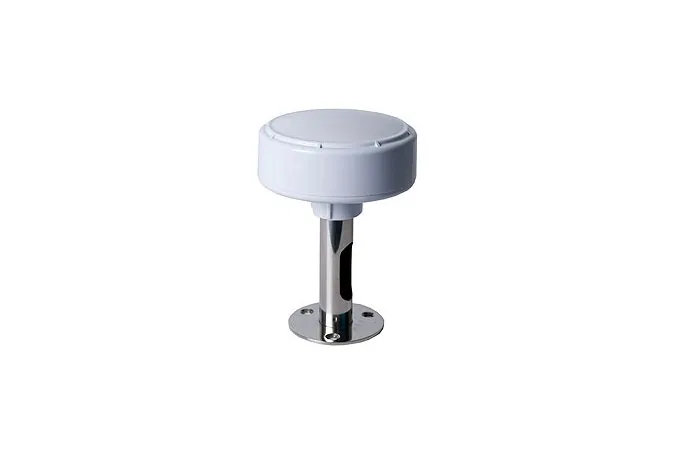
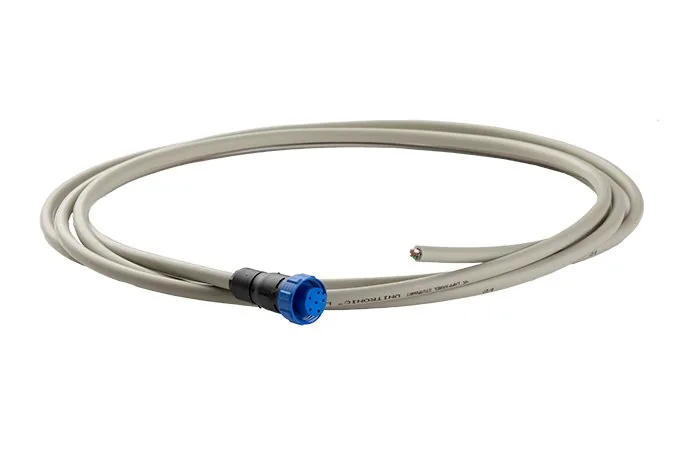
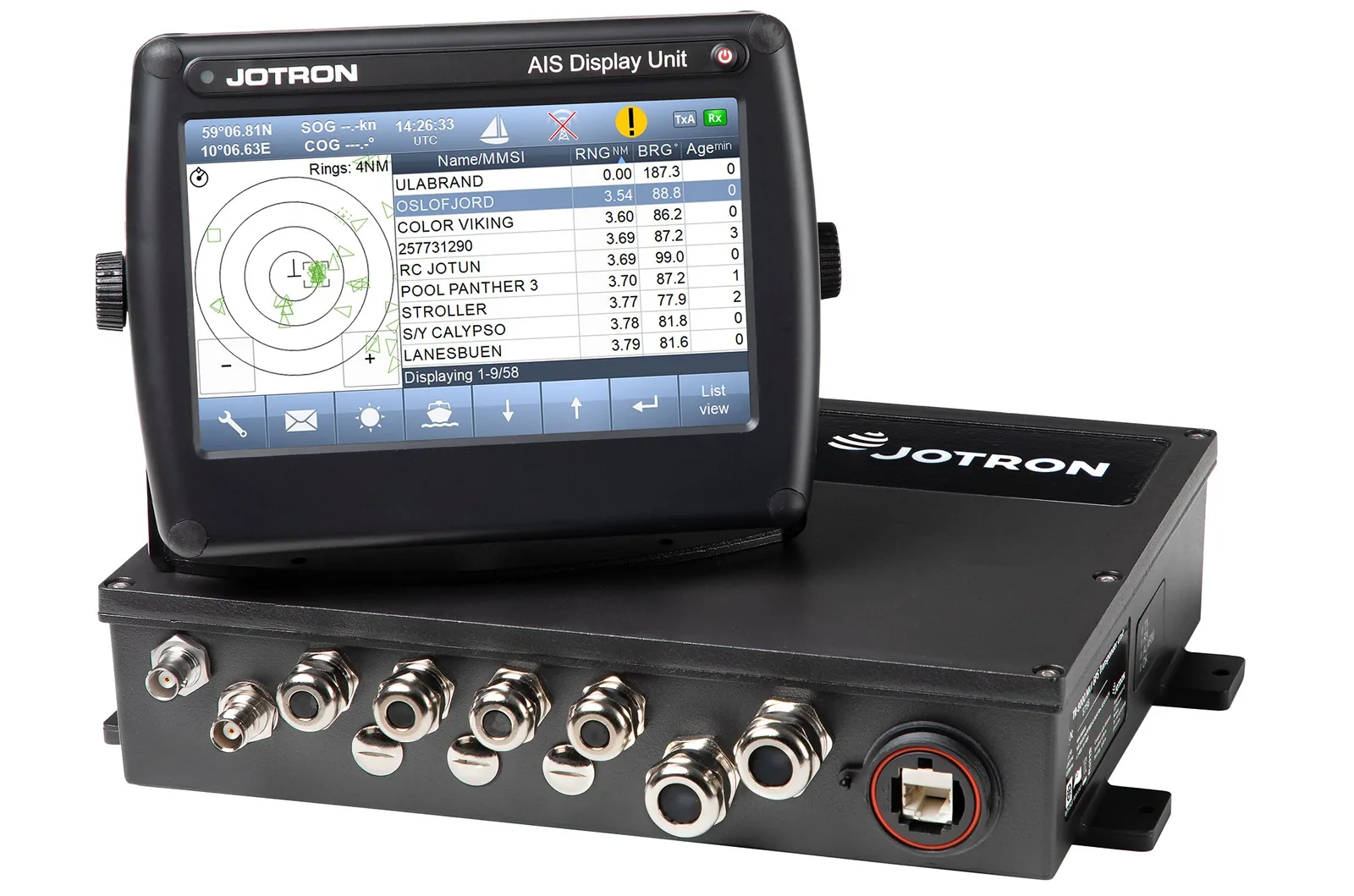
Enhanced Automatic Identification System with separate display and transceiver unit.
Tron AIS TR-8000 MkII is an enhanced Automatic Identification System (AIS). It is designed for use on inland waterways and complies with new IEC requirements for Bridge Alert Management (BAM) and the latest AIS Class A standards. Tron AIS TR-8000 MkII has a separate display and transceiver unit, both with a compact design for simple installation.
Complies with new requirements for BAM (IEC 62923-1:201, IEC 62923-2:2018) and the latest AIS standard (IEC 61993-2:2018)
ConfigurationSeparate display and transceiver unit
ApplicationInland waterways and coastal operation
InstallationCompact design for simple installation
Description
The Tron AIS TR-8000 MkII is a Class A Automatic Identification System transponder. AIS continuously broadcasts a vessel's identity, position, course and speed, and receives the same from other vessels and from shore stations. The result is that each bridge holds a live picture of the traffic around it that does not depend on line of sight, radar returns or visibility, which is why AIS has become the backbone of collision avoidance and vessel traffic management.
Class A is the carriage-grade tier of AIS, required for SOLAS vessels. It transmits more frequently and at higher power than the Class B equipment fitted to smaller craft, and it reports the additional voyage data that traffic services and port authorities expect. In practice this means your vessel remains properly visible to commercial traffic and to shore monitoring, rather than appearing as a low-priority contact.
The MkII revision of the TR-8000 is built around current standards. It complies with the latest AIS Class A standard, IEC 61993-2:2018, and with the Bridge Alert Management requirements of IEC 62923-1 and IEC 62923-2:2018. BAM matters more than its name suggests: it governs how alerts from every piece of bridge equipment are prioritised, presented and acknowledged, so that a genuine warning is not lost in a queue of competing alarms. Meeting BAM is what allows the unit to sit correctly within an integrated bridge rather than adding one more independent buzzer.
The system is supplied as a separate display and transceiver, both compactly built. That split is a practical benefit during installation: the transceiver can be mounted where the antenna runs are shortest and most convenient, while only the 7-inch touch screen needs to occupy console space on the bridge. The unit is also approved for inland waterway installations, so the same equipment serves vessels operating on rivers and canals as well as at sea.
Features
Class A AIS transponder. Carriage-grade equipment for SOLAS vessels, transmitting at the rate and power commercial traffic and shore services rely on.
Latest AIS standard. Complies with IEC 61993-2:2018.
Bridge Alert Management. Meets IEC 62923-1 and IEC 62923-2:2018, so alerts are prioritised and acknowledged coherently with the rest of the bridge.
Inland waterway approved. One equipment fit covers both inland and coastal or seagoing operation.
Broad regulatory acceptance. FCC, MED and MER compliant, and approved by ANATEL.
7-inch high-resolution touch screen. Rated IP54 against dust and splashing, for use in a working wheelhouse.
Separate display and transceiver. Shortens antenna runs and reduces the console space the installation consumes.
Compact design. Simplifies both new-build installation and retrofit into an existing bridge.
Applications
SOLAS-regulated vessels. Where Class A AIS carriage is a mandatory requirement.
Inland waterway vessels. River and canal operation, using the unit's inland waterway approval.
Tugs, workboats and harbour craft. Congested port water where traffic awareness matters most and visibility is often poor.
Offshore support and supply vessels. Field operations requiring reliable identification and position reporting.
Dredgers, barges and construction spreads. Slow-moving or restricted-manoeuvrability units that need to be conspicuous to other traffic.
Fishing and patrol fleets. Operators choosing carriage-grade equipment for range and reporting quality.
Retrofit and equipment renewal. Replacing older AIS units to bring a vessel up to the current standards, including BAM.
Support & Documents
PT Vivo Asia Teknologi Indonesia supplies, installs and commissions maritime communication and navigation equipment. For this unit our scope typically covers:
Advice on whether Class A is required for your vessel, flag and trading area.
Supply of the transponder, display, antennas and installation materials.
Installation planning, including antenna siting to avoid blanking and interference from existing masts and equipment.
Installation, commissioning and configuration of static and voyage data.
Integration with existing bridge equipment, including alert handling under BAM.
Crew familiarisation, and ongoing service and spares support.
Full electrical, mechanical and approval details are confirmed against the current manufacturer datasheet at quotation stage. Tell us the vessel type, flag and operating area and we will confirm the correct configuration and antenna arrangement.
Use the enquiry button above for a datasheet, a specification or a project quotation.

 1 / 3
1 / 3