The reason satellite broadband changed for maritime users is orbital altitude. A
geostationary satellite sits about 36,000 km up, so a signal takes roughly a quarter of a second
to make the round trip - which is why traditional VSAT feels slow on anything interactive even
when the bandwidth figure looks adequate. A low-earth-orbit constellation operates a few hundred
kilometres up, cutting that delay by an order of magnitude, and the practical result is that
video calls, remote desktop and cloud applications work at sea in a way they previously did
not.
On throughput, Starlink state download speeds of 400+ Mbps for the current Performance kit,
with network enhancements intended to bring gigabit speeds to the most remote places. Those are
the kind of figures that make crew welfare - actual video calls home - a realistic proposition
rather than a rationed one, and that make remote support of equipment on board practical.
The environmental specification is what qualifies the hardware for a vessel rather than a
building. It endures winds above 270 kph or 170 mph, operates from -40 to 60 degrees C, and is
rated IP68 unplugged and IP69K plugged - which Starlink describe as suitable for one metre of
water submersion for up to 30 minutes and for pressure washing. IP69K is the significant one:
that rating is about high-pressure, high-temperature washdown, which is exactly what a deck
installation gets and what defeats equipment rated only for rain.
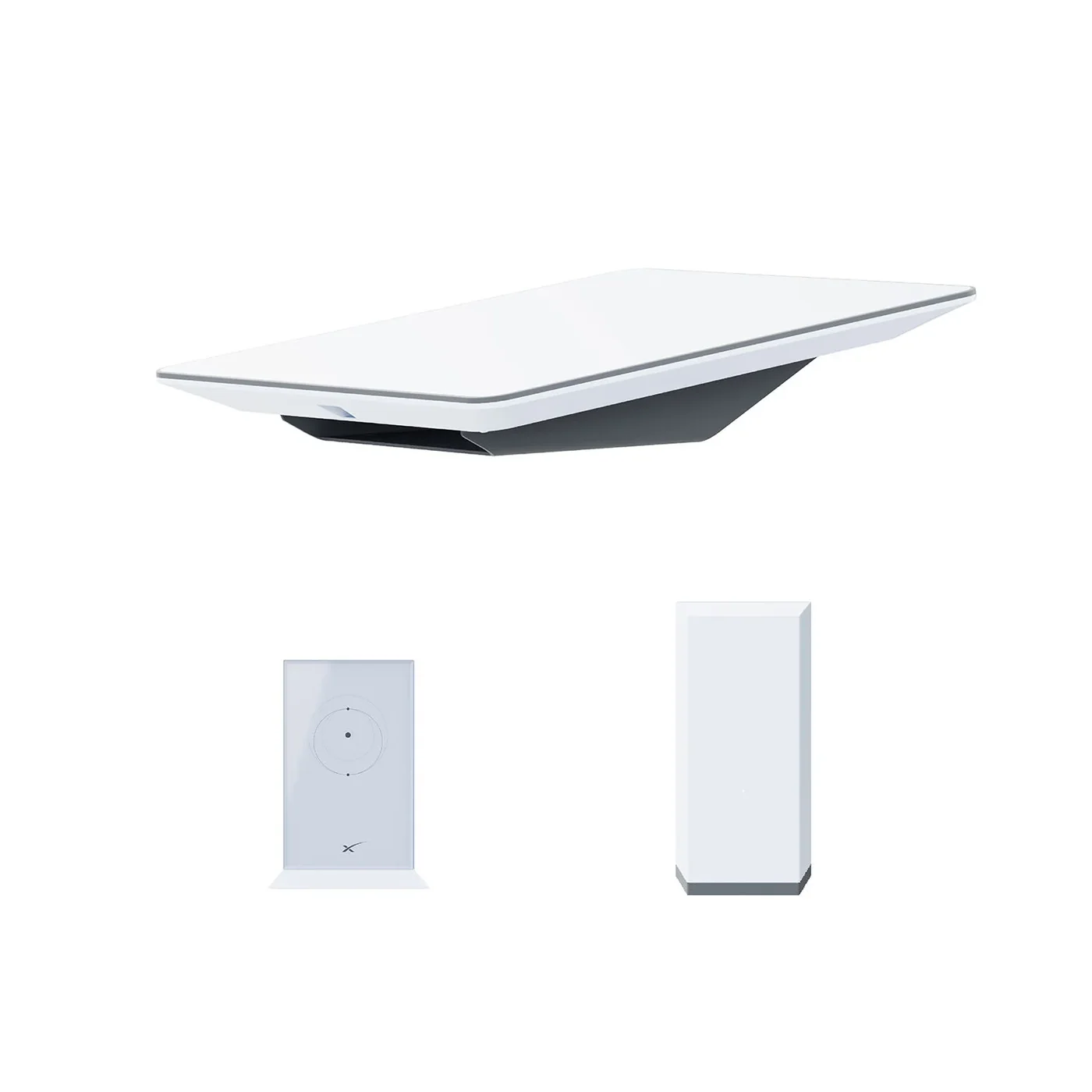
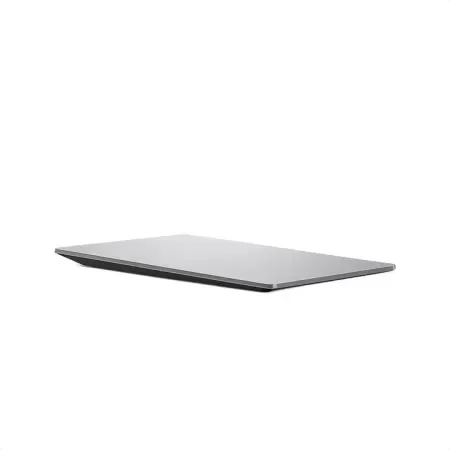
Two details matter for a marine install specifically. The Performance Flat Mount gives a
level, horizontal installation, which Starlink note minimises drag for higher-speed vehicles -
on a vessel that also means less windage and a lower profile. And the Advanced Power Supply is
rack-mountable and runs on both AC and DC, supporting DC input with a backup battery for
uninterrupted operation. Being able to take DC directly, with battery backup, is what lets the
terminal ride through a generator changeover instead of rebooting - and rack mounting means it
lives in the equipment room rather than being cable-tied behind a panel.
Three things we would raise before ordering. First, this complements rather than replaces
existing satellite equipment: GMDSS and safety communications are separate, regulated systems
and are not carried on a broadband terminal. Second, Starlink's product names, kit contents and
published figures change frequently - Gen 2 and Gen 3 hardware differ, and what is orderable
shifts - so we confirm current hardware and figures at quotation rather than working from a
figure read months earlier. Third, maritime service plans, coverage and regulatory permissions
vary by area of operation, and for a vessel trading in Indonesian and regional waters that is
worth confirming alongside the hardware.

 1 / 5
1 / 5