Jl. M.H. Thamrin Kav 3, Menara Thamrin, Level 3A, Jakarta 10250 +62-2139-8303-03 / +62 857 6344 7043 contact@vivoasia.com
Control Cables 1 / 2
General Items

Control Cables

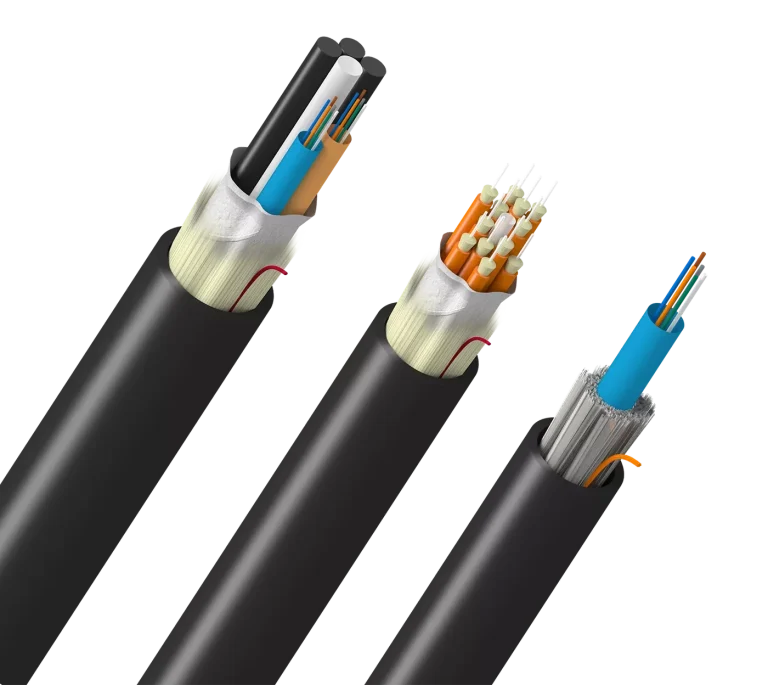
Multicore control and instrumentation cable, specified by function not by part number.

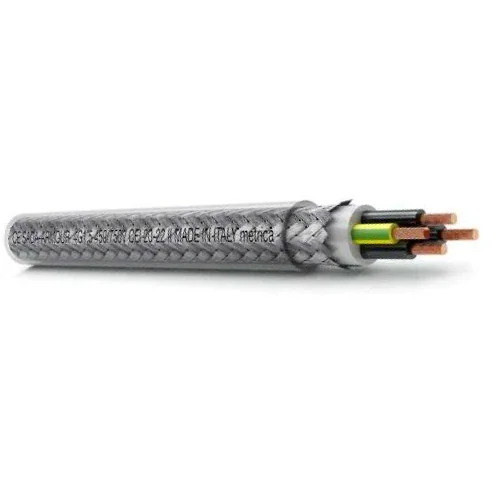
Multicore cable for control, signalling and instrumentation – the wiring that carries commands, statuses and low-level signals between panels and field devices. Type, screening, armour and fire performance are specified against the circuit and the environment rather than taken from a standard part.

  • Screening specified against the electrical environment
  • Armour and fire performance to the installation requirement
  • Supplied against the cable schedule, with certificates
SPECIFICATIONS
Use Control, signalling and instrumentation circuits
Construction Multicore, screened or unscreened, armoured or not
Selection By circuit function, environment and approvals
Supply To the cable schedule
Details Types confirmed at quotation

Description

Control cable is the least glamorous item in an installation and the one that causes the most puzzling faults. It carries commands to actuators, statuses back from switches, and analogue signals from instruments - and unlike power cable, where the failure modes are obvious, control cable fails subtly. A signal picks up interference and the reading wanders. A screen is earthed at both ends and a circulating current appears. A pair is shared between a 4-20 mA loop and a relay coil and the loop twitches every time the relay operates.

The three decisions that matter are screening, armour and fire performance, and each follows from the circuit rather than from a catalogue.

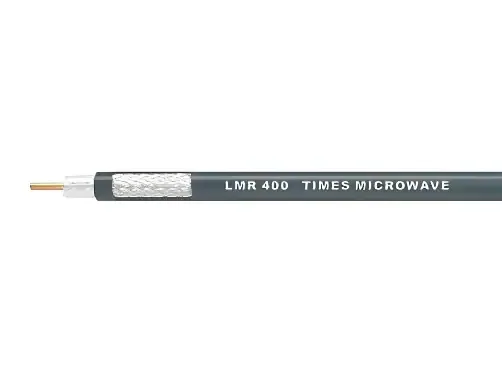
Screening is about the electrical environment. An industrial site is full of variable-speed drives, contactors and radio transmitters, all of which induce voltages into any conductor running nearby. A low-level analogue signal - a thermocouple, a 4-20 mA loop, a strain gauge - has to be screened, and the screen has to be earthed at one end only so it does not become a conductor in its own right. Individually screened pairs matter where several signals share one cable, because a common screen does nothing to stop them interfering with each other. Digital signals and switched contacts are far more tolerant, so paying for individual screens on those circuits is waste.

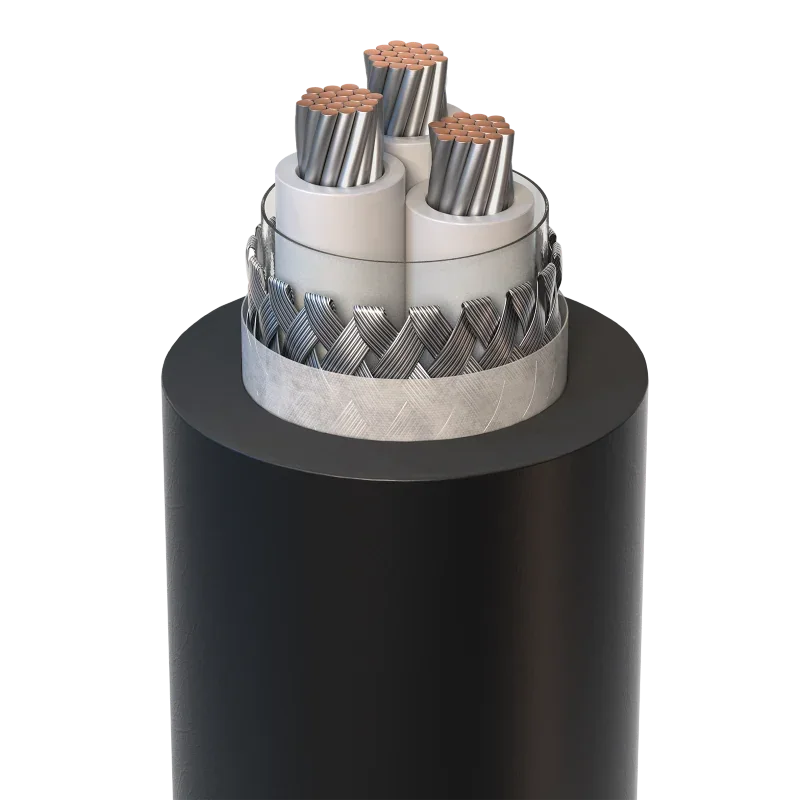
Armour is about mechanical risk. Steel wire armour is specified where the cable can be walked on, driven over, dropped on or chafed, and it also provides an earth path and a degree of rodent protection. Where the run is inside trunking or conduit in a clean area, it is unnecessary weight and cost - and it makes glanding more involved at every entry.

Fire performance is about consequences. Flame retardant cable resists spreading a fire along its own length. Low smoke halogen free matters in enclosed and manned spaces, because ordinary PVC insulation produces dense acrid smoke that fills an escape route. Fire resistant cable - which keeps a circuit working for a defined period in a fire - is a different category again, and is what emergency and life-safety circuits require. Confusing the three is a common and serious specification error.

Beyond the type, the things that decide whether a control installation behaves are settled at design stage: segregation from power circuits, conductor size against volt drop over the run, core count with spare cores allowed for future use, and the gland and termination detail. We specify and supply against your cable schedule with the certificates the installation needs, rather than offering a single part and calling it control cable.

Features

  • Screening matched to the signal. Individually screened pairs for low-level analogue, common screen or none where the circuit tolerates it.
  • Screen earthed correctly. One end only, so it does not become a conductor and carry circulating current.
  • Armour where there is mechanical risk. And omitted where it is only weight, cost and harder glanding.
  • Fire performance distinguished. Flame retardant, low smoke halogen free and fire resistant are three different things, specified for three different reasons.
  • Spare cores planned. So a later addition does not mean a new cable run.
  • Segregation considered. Control routed clear of power circuits at design stage, not discovered afterwards.
  • Supplied to the schedule. Types, sizes, lengths and drum sizes worked out rather than estimated, with certificates.

Applications

Control cable runs everywhere a panel talks to a field device.

  • Control panels to field devices. Actuators, valves, motor starters and limit switches.
  • Instrumentation loops. 4-20 mA and thermocouple circuits needing proper screening.
  • Fire and gas systems. Where fire resistant types are required.
  • PAGA and alarm circuits. Loudspeaker lines, beacons and initiating devices.
  • CCTV ancillaries. Pan-tilt control, dry contacts and power to cameras.
  • Marine and offshore installations. Where fire performance and approvals are mandated.

Support & Documents

PT Vivo Asia Teknologi Indonesia supplies the balance-of-plant items that a system needs alongside its headline equipment, and installs them as part of the same scope. Our involvement typically covers:

  • Selection against the specification, the area classification and the installation method.
  • Sizing and schedule preparation, working from your drawings or ours.
  • Supply from stocked or sourced product, with documentation and certificates.
  • Installation, termination and testing as part of the wider system.
  • Spares provisioning and ongoing maintenance.

Types, ratings and approvals vary by item and are confirmed at quotation stage against the manufacturer's current data. Send us the specification or the schedule and we will come back with a compliant offer and a full bill of materials.

Use the enquiry button above for a datasheet, a specification or a project quotation.

Related products