An enclosure is the boundary between the equipment and the environment, and on an industrial
site it does more work than the equipment inside it. It keeps out water, dust and interference,
it keeps in heat that has to be got rid of somehow, it takes the mechanical abuse, and it
determines whether a technician can actually work on what is inside. A well-chosen enclosure is
invisible for twenty years; a poorly chosen one produces condensation, overheating, corroded
terminals and a cabinet nobody can reach into.
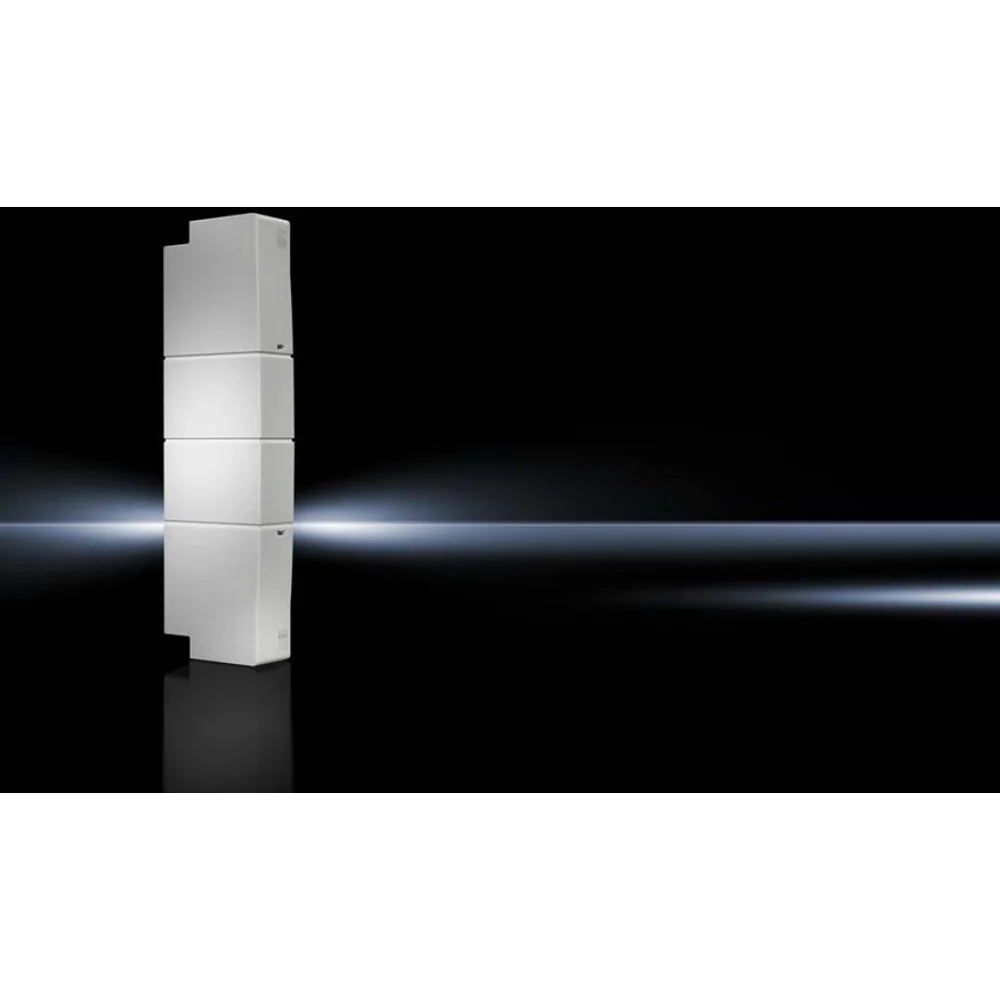
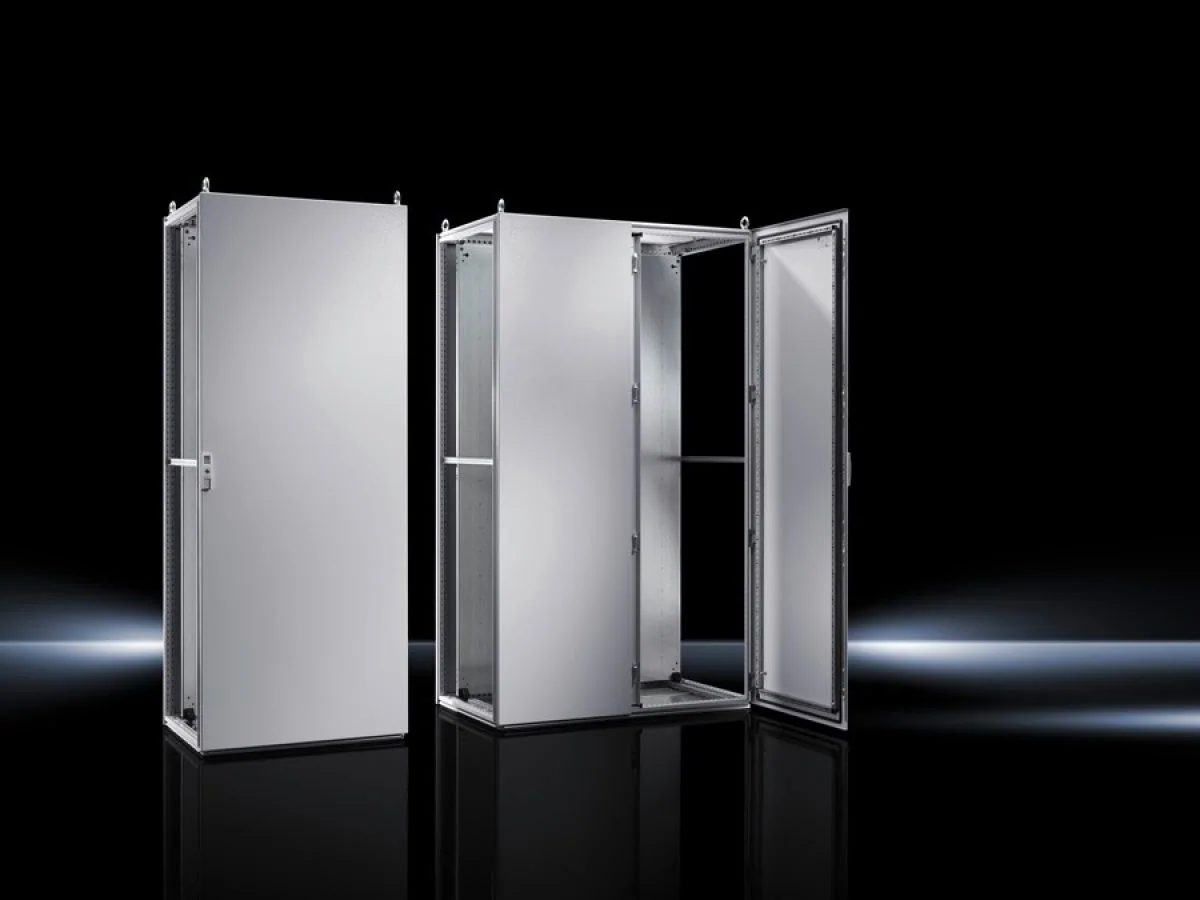
Rittal's range is organised by the job rather than by size, and the breadth is the reason
they get specified. The product groups run from small enclosures and wall-mounted enclosures
through full enclosure systems, with specialised groups for Hygienic Design, outdoor use,
console systems, PC enclosure systems, industrial workstations, command panels, support arm
systems and stand systems. Widths across those groups run from 58 mm at the small end to
2,000 mm on the largest systems, so the same catalogue covers a junction box on a wall and a
floor-standing suite in a switchroom.
Material is the choice that decides service life, and four are offered. Sheet steel is
available across essentially every group and is the default for indoor and protected positions.
Stainless steel is what belongs anywhere with salt, chemicals or regular wash-down - a coastal
site, a jetty, a food or process area - and the extra cost is recovered the first time a painted
steel cabinet would have needed replacing. Aluminium is lighter and naturally corrosion
resistant, which suits marine superstructures and positions where weight matters. Plastic is
non-conductive and immune to corrosion, appropriate for smaller enclosures in wet or
chemically aggressive spots.
The specialised groups exist for real reasons worth knowing. Hygienic Design enclosures have
sloped tops, minimal ledges and food-safe seals so they can be cleaned down without harbouring
anything - specified in food, beverage and pharmaceutical areas. Outdoor enclosures address
solar gain, rain and condensation, which are a different problem set from indoor ingress
protection. Console and PC enclosure systems and industrial workstations are for operator
positions, integrating a screen, a keyboard and a machine into something that survives a shop
floor. Command panels and support arm systems put controls where the operator stands, on an arm
that swings clear of the machine.
Three things we settle before ordering, because they are hard to retrofit. Thermal management
comes first: equipment dissipates heat, a sealed enclosure has no way to lose it, and the
calculation between filtered fans, a heat exchanger and a cooling unit depends on the load, the
ambient temperature and the ingress protection required - in a tropical climate this is the
decision that most often gets underestimated. Second, the ingress protection rating, matched to
the actual exposure rather than chosen high for reassurance, since a higher rating usually means
a sealed enclosure and therefore a harder cooling problem. Third, access and internal layout -
gland plates, mounting rails, cable routing and whether the doors can open where the cabinet is
going to stand.
 1 / 2
1 / 2