Fire detection is the one system on a site whose specification is genuinely not negotiable,
and the most important decision in it is which detection principle suits each area. Getting that
wrong produces one of two failures: a detector that does not respond to the fire that actually
occurs, or a detector that responds constantly to something that is not a fire. The second is
more corrosive than it sounds, because a system that cries wolf gets ignored, silenced or
isolated.
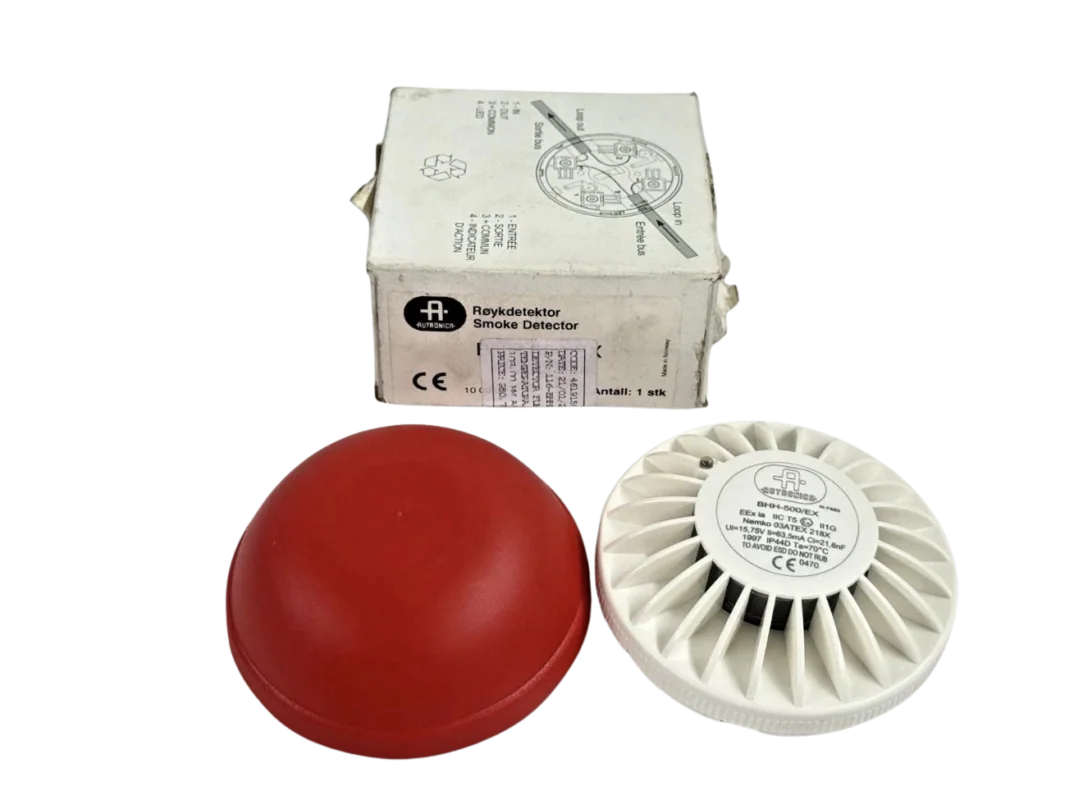
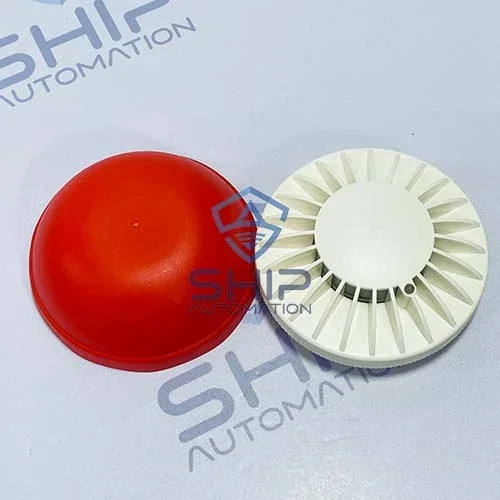
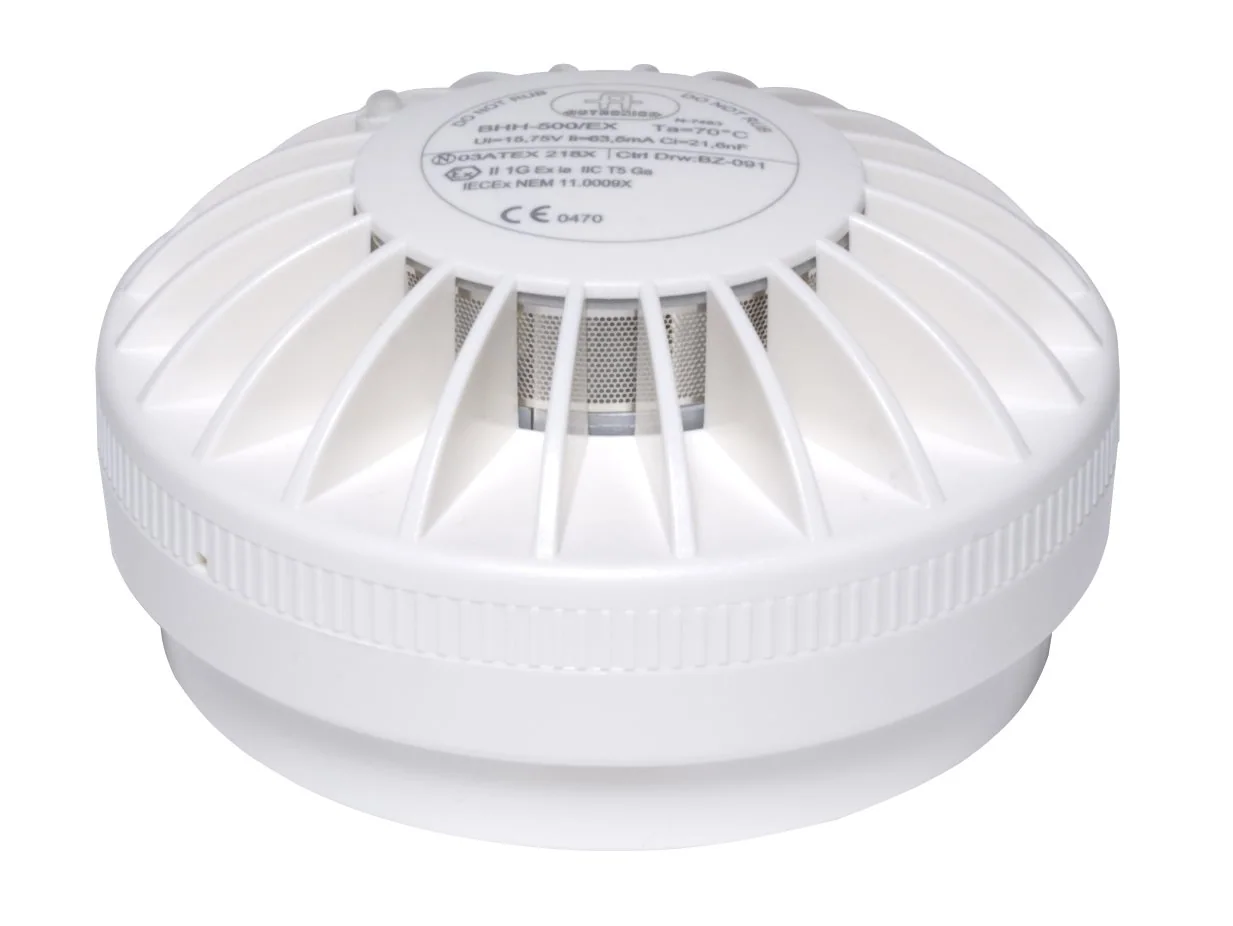
The principles differ in what they sense. Optical or photoelectric smoke detectors see the
light scattered by smoke particles and respond well to the smouldering fires that produce large
visible particles - burning cable insulation, upholstery, paper. Ionisation detectors respond
better to the small particles of a fast, clean-burning flaming fire. Heat detectors ignore smoke
entirely and respond to temperature, either a fixed threshold or a rate of rise, which makes them
the right answer in kitchens, workshops and dusty areas where any smoke detector would false
alarm. Beam detectors cover a large open volume such as a warehouse from one pair of devices.
Aspirating systems draw air continuously to a central detector and give the earliest warning of
all, which is why they appear in equipment rooms and switchrooms where the value at risk is
high.
Eaton bring a substantial portfolio to this, built on the heritage of Cooper, Menvier, JSB,
Nugelec and Fulleon - names that between them account for a great deal of the installed fire
equipment in Europe and beyond - with over four decades of expertise in fire system design. That
matters practically for two reasons. Spares and compatible replacements remain available for
older installations carrying those brands, and the design experience is in the same place as the
devices, which is what a system needs rather than a box of detectors.
Alongside detection sit the parts of the system that make it act: manual call points,
sounders and voice alarm devices, beacons for high-noise and hearing-protection areas, and the
control and indicating equipment that ties them together and interfaces to everything else -
plant shutdowns, dampers, door releases, and the PAGA system for evacuation announcements. On an
industrial site those interfaces are usually where the engineering effort actually goes.
Approvals govern what may be installed. Detection devices are certified to the standards the
scheme is designed to, and in a classified area they are certified equipment for that zone as
well. We specify device types against the risk in each area, confirm the approvals for the models
supplied, and set out the cause-and-effect schedule - what each detection triggers - because that
schedule, rather than the device list, is what determines whether the system does its job.

 1 / 4
1 / 4