Jl. M.H. Thamrin Kav 3, Menara Thamrin, Level 3A, Jakarta 10250 +62-2139-8303-03 / +62 857 6344 7043 contact@vivoasia.com
Telephone Systems

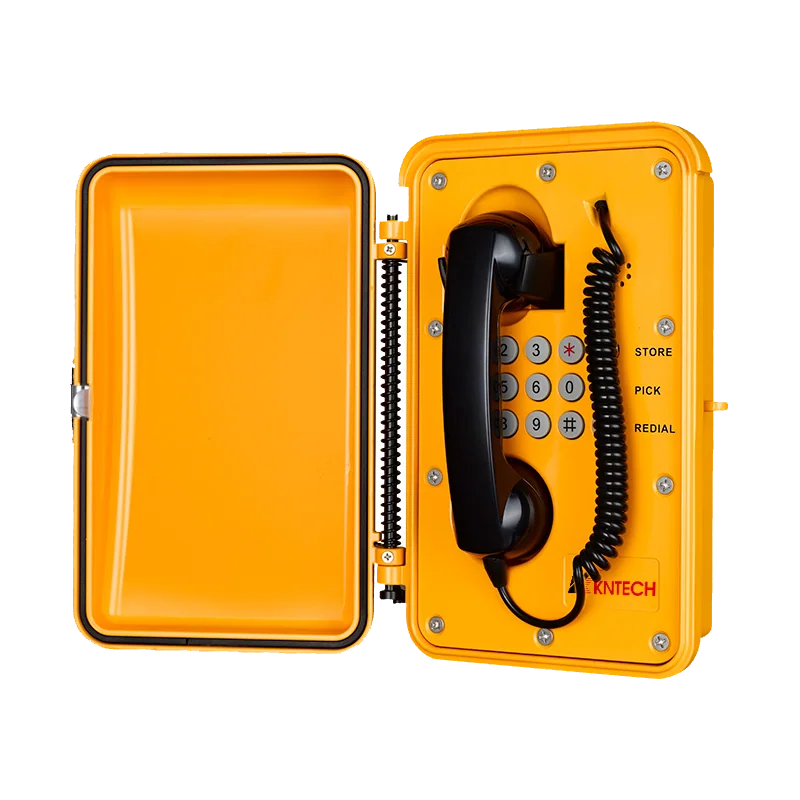
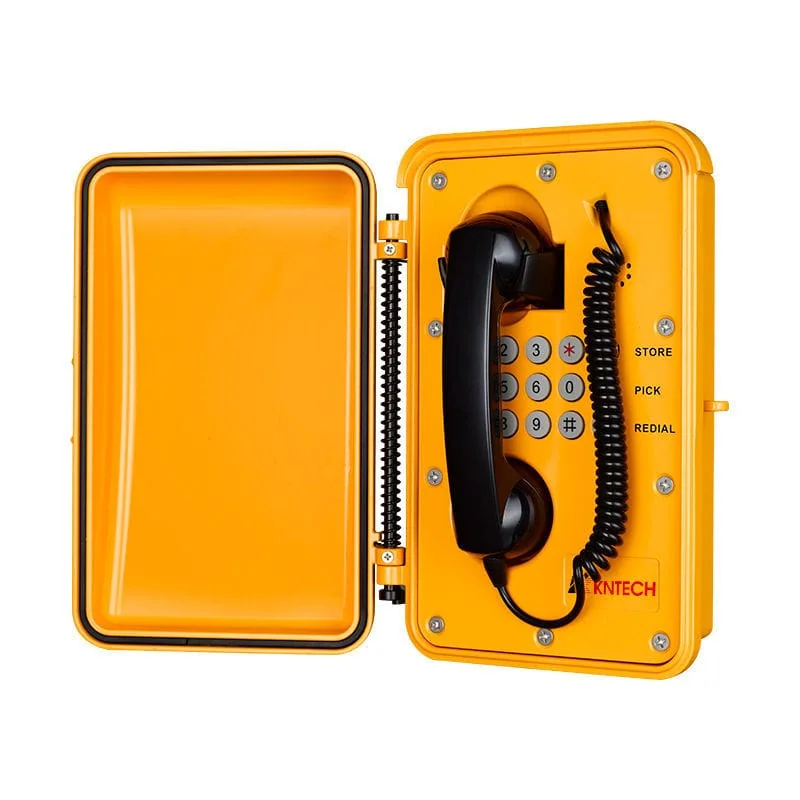
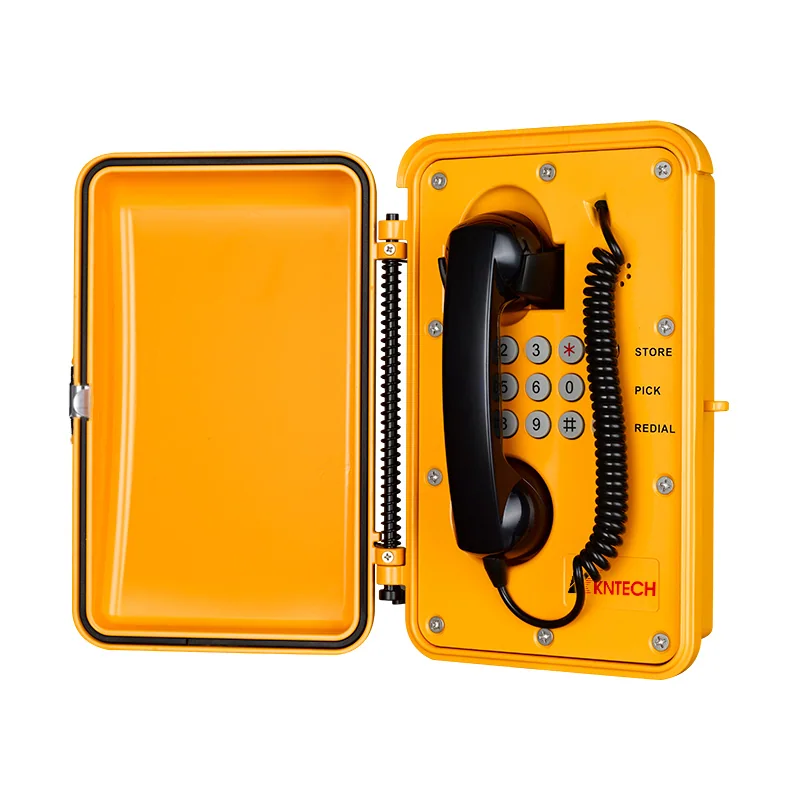
KNTECH KNSP-01T3J Weatherproof Analog Telephone

IP66 die-cast aluminium telephone for tunnels and outdoor emergency positions.

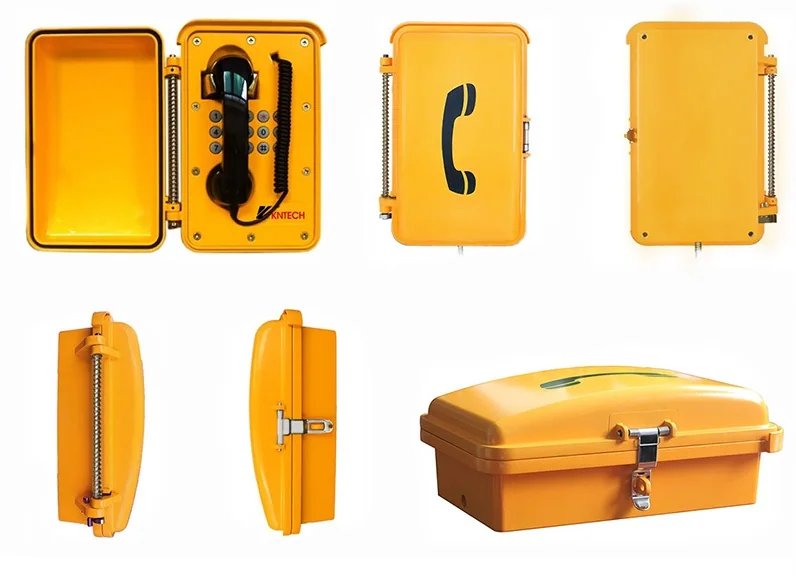
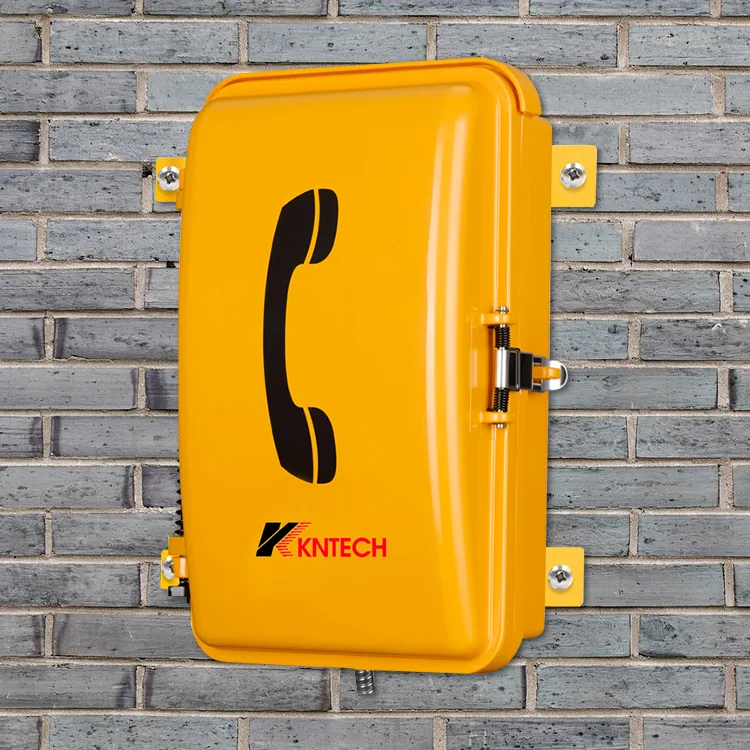
The KNTECH KNSP-01T3J is a weatherproof emergency telephone in a die-cast aluminium alloy housing, sealed to IP66 with a self-closing door cover, made for the outdoor and tunnel positions where metro, rail, expressway and power plant projects need emergency communication.

  • IP66 sealed, self-closing door cover, reflective label for night use
  • Lightning protection to ITU-T K.21
  • Available as analogue or VoIP, both from one housing
SPECIFICATIONS
Model KNSP-01T3J
Body Die-cast aluminium alloy, 320 x 205 x 120 mm, 5.3 kg
Protection IP66, weatherproof and dustproof
Versions Analogue (SP0010012) and VoIP SIP 2.0 (SP0010032)
Lightning ITU-T K.21

Description

An outdoor emergency telephone has to work on the one day it is used, having been ignored for years. Everything about this one is built around that: it is a die-cast aluminium alloy housing, sealed to IP66 with a special sealing design, weatherproof, dustproof and moisture-resistant, with a silicon keypad and a magnetic reed hook-switch so the two most exposed moving parts have nothing to corrode or wear.

The door cover is a detail worth calling out. It orients automatically and is self-closing, which means the telephone is sealed again after use whether or not the person who used it thought about it - the single most common reason outdoor telephones fail is being left open. The housing is powder coated in a UV-stabilised polyester finish so the finish does not chalk off in sunlight, and it carries a layer of reflective label so it can be found at night. That last point sounds cosmetic until you consider that this is emergency equipment in an unlit tunnel.

KNTECH are direct about where these go, and the list is consistent with the engineering: tunnels, metro, railway, LRT, speedway, marine, ships, offshore, mines, power plants and bridges. Most metro and high-speed rail projects require IP66 telephones for emergency communication, and the certification reflects that market - EN 50121 for railway electromagnetic compatibility, alongside RCM AS/NZS CISPR 32, Australian communications AS/CA S004 and equipment safety AS/NZS 60950.1:2015.

The same housing is offered as an analogue set or as a VoIP set, which is the practical reason to standardise on it across a site. The analogue version (SP0010012) is a PSTN DTMF telephone with RJ11 screw terminals, ringing above 70 dB(A), a maximum line distance of 7 km and compatibility with PABX and dispatching systems on 33 to 60 V feed. The VoIP version (SP0010032) is SIP 2.0 with G.711, G.722 and G.729 codecs, G.167/G.168 echo cancellation, 10/100BaseTX on RJ45 over Cat5e or better, powered by PoE to IEEE 802.3af Class 0 or locally from 12 V DC at 2 W idle and 10 W maximum, configured through a web GUI, supporting DHCP or static addressing, 802.1x network access control, STP and RSTP, and a dry-contact auxiliary output rated 0.3 A at 125 VAC or 1 A at 30 VDC. That auxiliary contact is how these get wired to a beacon or a barrier.

Lightning protection to ITU-T K.21 is included, which for a telephone at the end of a long exposed copper run is not optional. Ambient operating range for the analogue version is -30 to +60 degrees C at 10 to 95 percent relative humidity. There is an optional seven-minute timeout to release the line if a handset is left off-hook - which on a public emergency telephone happens constantly - and an option for line integrity wiring so the system can confirm the unit is still alive.

Features

  • IP66 die-cast aluminium. Special sealing design, weatherproof, dustproof and moisture-resistant.
  • Self-closing door cover. Orients automatically, so the telephone reseals itself after use.
  • Found in the dark. Housing carries a reflective label for night identification.
  • Lightning protection to ITU-T K.21. For exposed copper runs in tunnels and along roads.
  • Analogue or VoIP from one housing. PSTN DTMF, or SIP 2.0 with G.711, G.722 and G.729 and PoE 802.3af.
  • Dry-contact output on the VoIP version. Rated 0.3 A at 125 VAC or 1 A at 30 VDC, for driving a beacon or barrier.
  • Railway EMC certified. EN 50121, plus RCM AS/NZS CISPR 32, AS/CA S004 and AS/NZS 60950.1:2015.
  • Off-hook timeout option. Releases the line after seven minutes if a handset is left hanging.
  • UV-stabilised finish. Powder coated polyester that survives sunlight.

Applications

KNTECH's own application list, which matches how these are actually used.

  • Tunnels. Road and rail tunnel emergency telephone points.
  • Metro, railway and LRT. Platform and trackside emergency communication.
  • Expressways and bridges. Roadside emergency positions.
  • Marine, ships and offshore. Exposed deck and jetty positions.
  • Power plants. Outdoor switchyards and plant areas.
  • Mines and quarries. Dust and impact as much as water.

Where the position is indoors, this is the same telephone - see the indoor entry.

Support & Documents

PT Vivo Asia Teknologi Indonesia supplies industrial telephony as a designed and commissioned system rather than as a boxed item. Our scope typically covers:

  • Station schedule and area classification review for every proposed location.
  • Selection of indoor, weatherproof or explosion-proof stations to suit each area.
  • Exchange, cabling and power design, including line monitoring where required.
  • Supply, installation, termination and commissioning.
  • Integration with PAGA, fire and gas, and any existing PABX or IP telephony.
  • Audibility checks in noisy areas, and ongoing maintenance and spares.

Ratings, approvals and electrical details vary by variant and are confirmed against the current manufacturer datasheet at quotation stage. Send us your station schedule and the hazardous-area classification for each location, and we will come back with the right variants and a full bill of materials.

Use the enquiry button above for a datasheet, a specification or a project quotation.

Related products