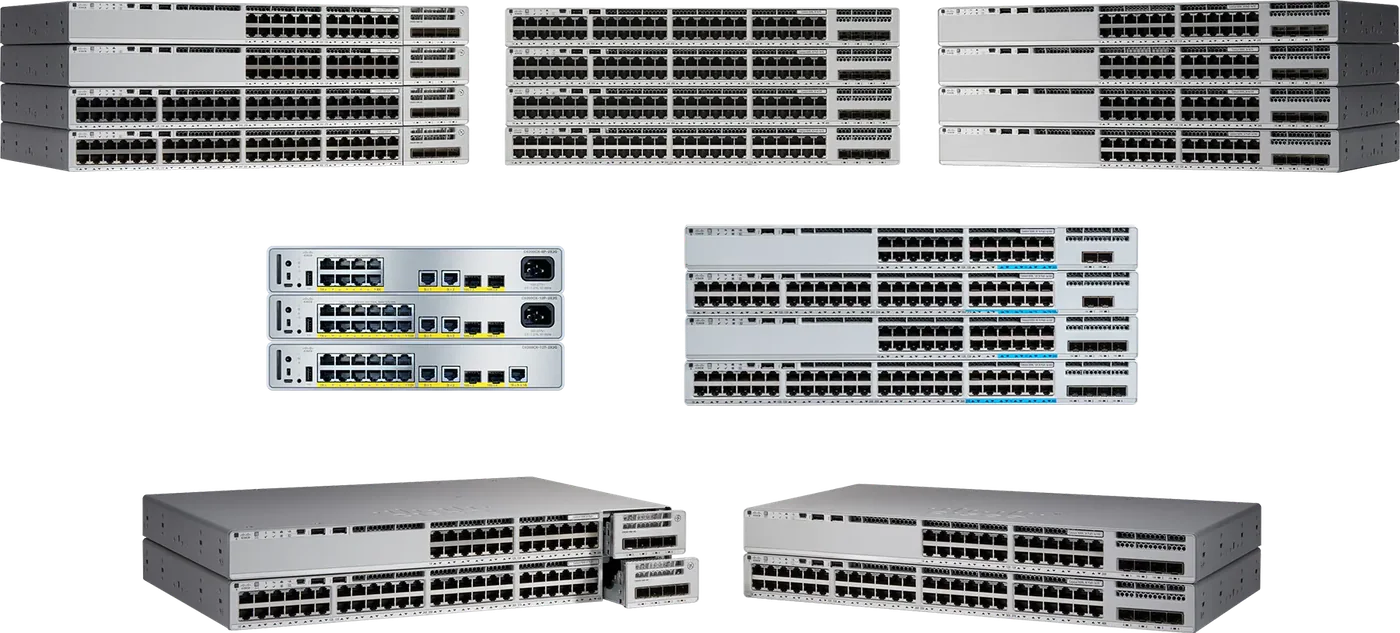
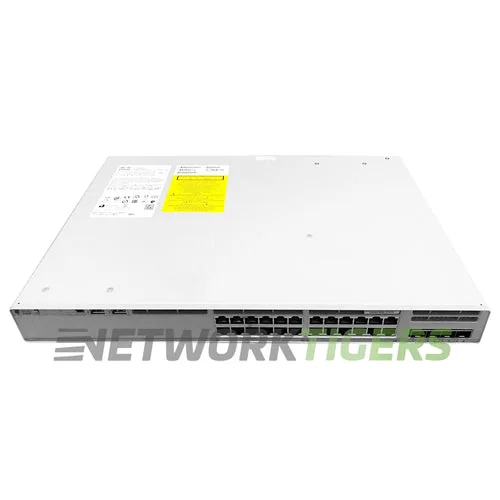
The Catalyst 9200 is Cisco's access-layer switch - the one in the floor cabinet that cameras,
telephones, access points and workstations plug into. Cisco position the series as extending
intent-based networking and Catalyst 9000 hardware and software innovation to a broader set of
deployments, which is a fair description: it is the same software family as the core switches
at a price appropriate to the edge.
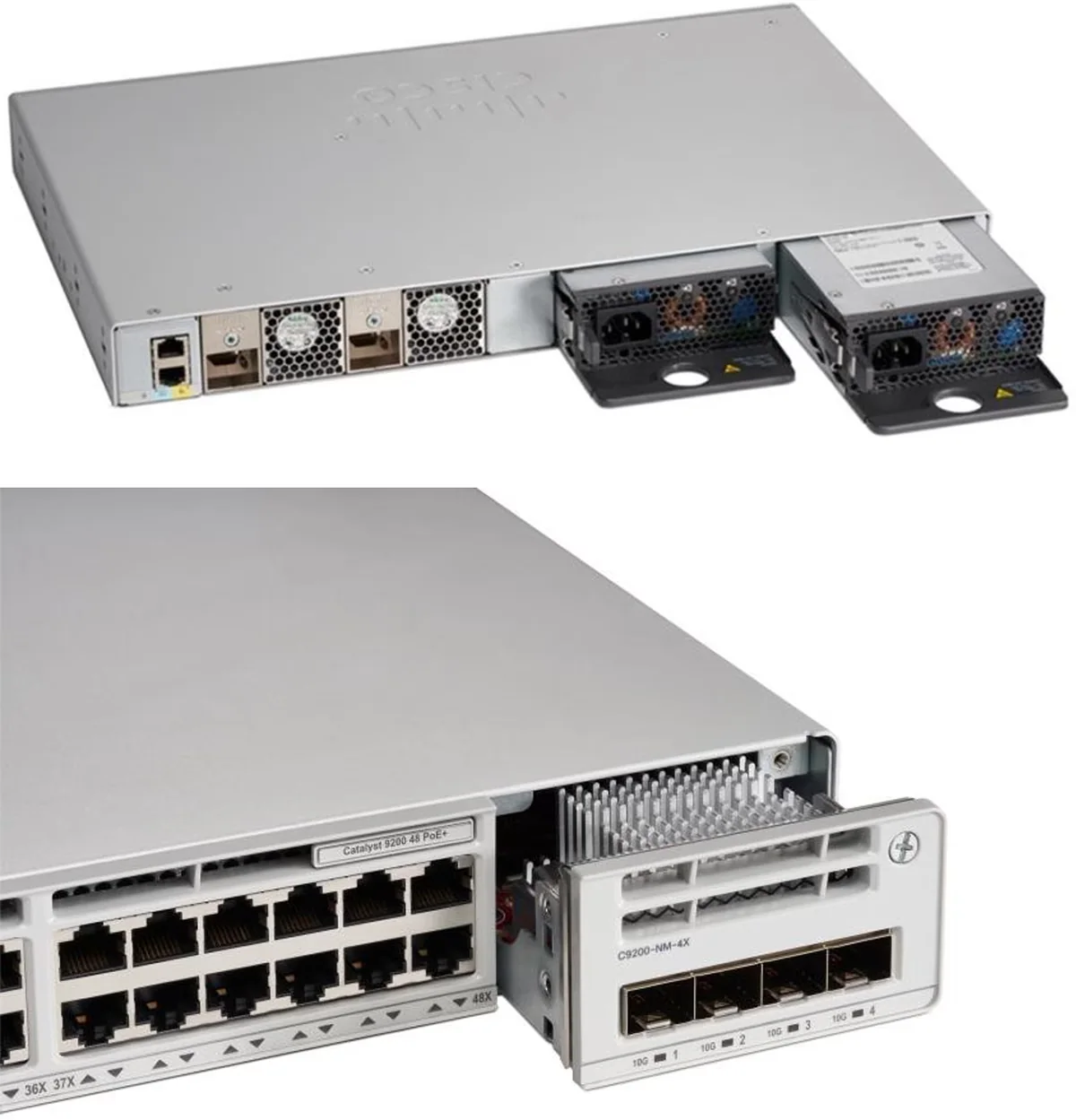
The L suffix is the important part of this line, because it marks real differences and they
are easy to miss when comparing part numbers. On Cisco's own comparison, the fixed-uplink L SKUs
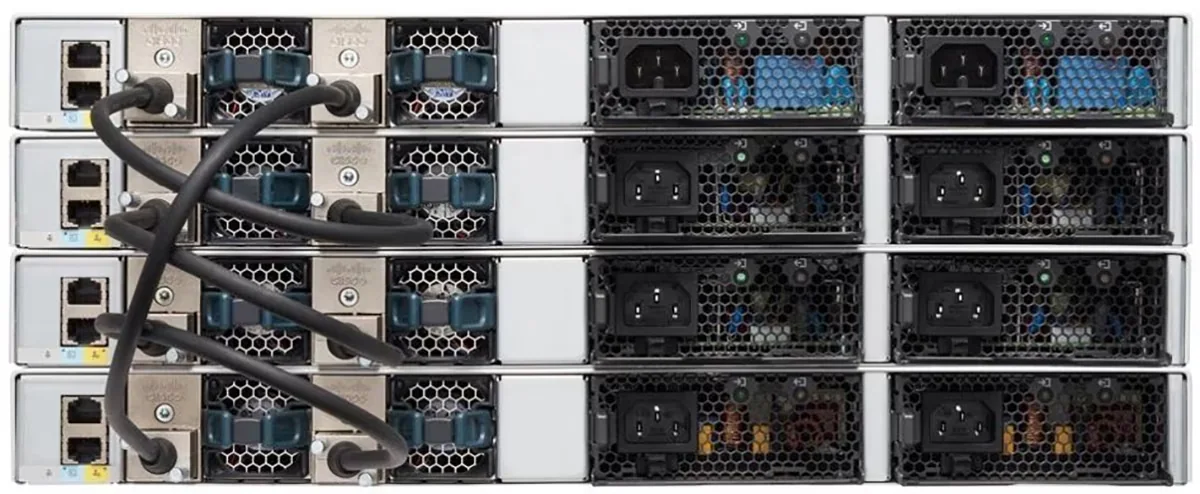
have a field-replaceable power supply but not field-replaceable fans, no modular uplinks, 80 Gbps
of stacking bandwidth, and limited SD-Access support at one virtual network. The modular-uplink
9200 SKUs have replaceable fans and uplinks, 160 Gbps of stacking bandwidth, and support four
virtual networks - or thirty-two on the Enhanced VN SKUs.
Each of those differences has a consequence worth weighing. Fixed uplinks mean the uplink
type is decided at purchase and cannot be changed, so moving from copper to fiber later, or from
one gigabit to ten, means a new switch rather than a new module. Eighty gigabits of stacking
against 160 halves the bandwidth available between stack members, which matters when traffic
crosses between switches in the stack rather than heading straight for the uplink. Non-replaceable
fans mean a fan failure is a switch replacement. And the SD-Access limit of a single virtual
network rules the L models out of a design that depends on network segmentation delivered by the
fabric.
None of that makes the L wrong - it makes it the right switch for a straightforward access
cabinet and the wrong one for a design that will need segmentation or uplink flexibility later.
That is precisely the decision worth making deliberately rather than on price.
On the capability that usually drives the purchase: the 9200 family offers flexible downlink
options with data, PoE+, UPOE, and UPOE with multigigabit for Wi-Fi 6 and 6E, with full PoE+ for
up to 48 ports on 9200 models. Configurations include 24 ports of full PoE+ with eight
multigigabit ports up to 10G and sixteen up to 1G, and 48 ports of full PoE+ with eight
multigigabit up to 10G and forty up to 1G. Those multigigabit ports exist for access points: a
Wi-Fi 6 access point can exceed a gigabit, and a plain gigabit port becomes its bottleneck. As
always, the total PoE budget rather than the per-port capability is what has to be checked
against the device schedule.