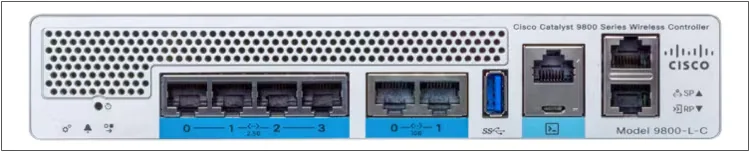
On a modern industrial site almost everything is an Ethernet device. The cameras are IP, the
telephones are IP, the access points are IP, the paging system and often the fire and access
control systems are too. That means the switch layer is not IT equipment sitting beside the
operational systems - it is the thing those systems run on, and its design determines whether
they work.
Three questions decide a switch specification, and port count is the least interesting of
them. The first is power. Anything Powered over Ethernet - cameras, access points, telephones,
some sensors - draws from the switch, and the switch has a total PoE budget that is usually
lower than the sum of what every port could deliver. A 48-port switch advertised as
PoE-capable may not run 48 pan-tilt-zoom cameras with heaters. Working that budget out from the
actual device schedule before ordering is the single most common omission we see, and the one
that is most expensive to correct.
The second is resilience, and it is a question about consequences rather than preference. If
a switch failure takes out the cameras on a jetty, that is inconvenient; if it takes out the
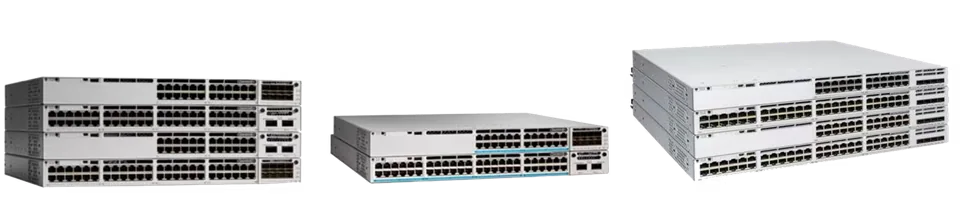
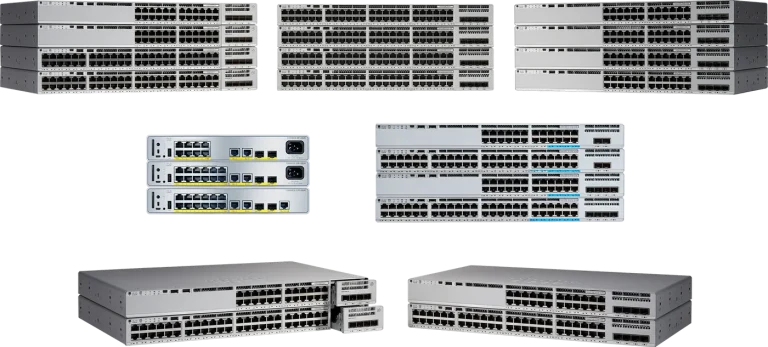
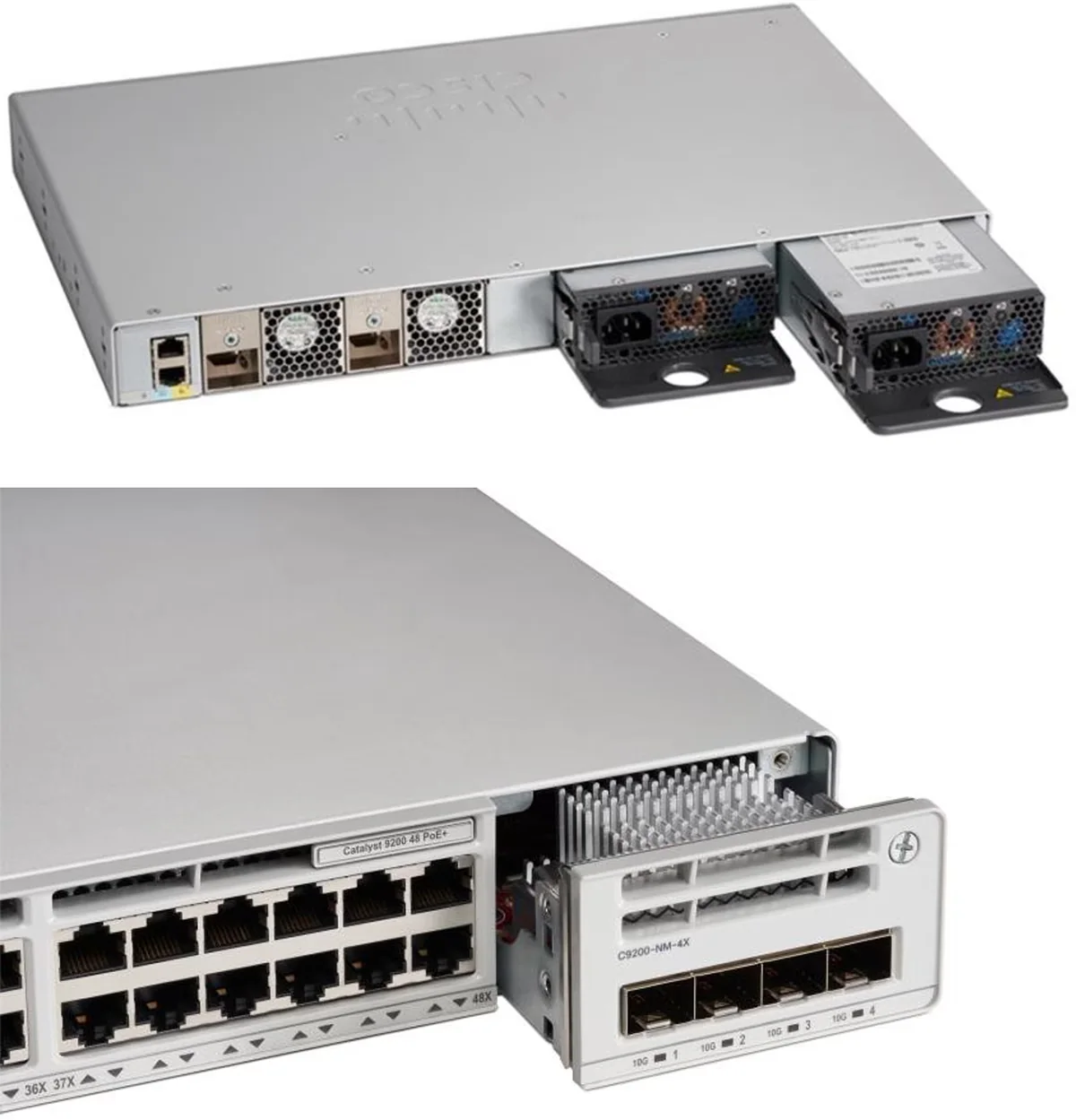
paging system on a platform, it is a safety matter. Cisco's Catalyst range answers this at
different levels - stacking so several switches behave as one and survive the loss of a member,
redundant power supplies, and field-replaceable fans and supplies so a failure is a part swap
rather than a switch swap. Which of those a given cabinet needs follows from what is plugged
into it.
The third is licensing, and it deserves attention because it is where switch budgets go
wrong. Cisco's current model separates the hardware from a perpetual network stack licence and
from a software subscription in Essentials or Advantage tiers, and the subscription is required
with the hardware. Beyond that, whether you take the Catalyst or the Cisco DNA form of the
subscription changes what support you get and whether identity-services licences are included.
None of that is visible from a price list, so we set it out explicitly in a quotation rather
than leaving it to be discovered at renewal.
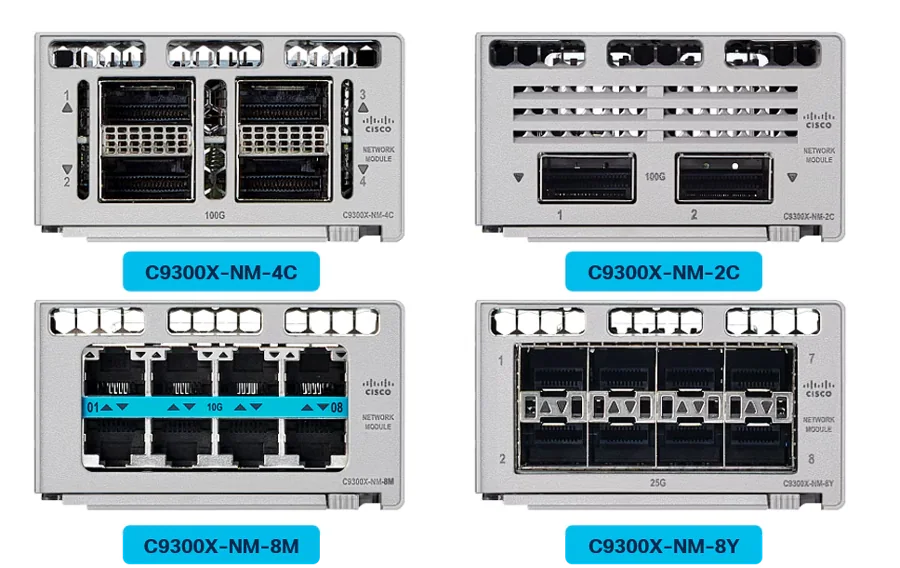
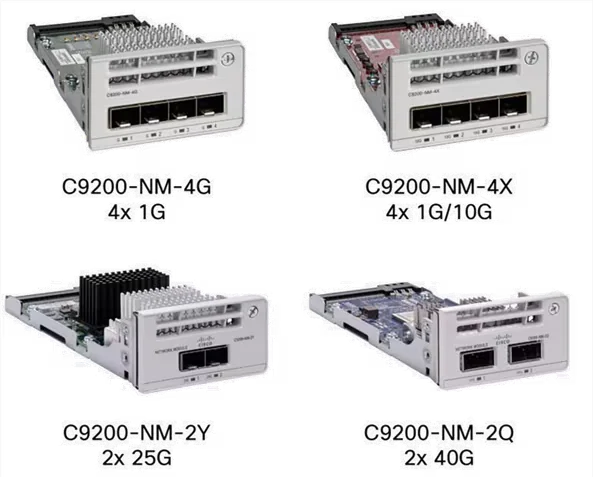
Specific models in this catalogue - the Catalyst 9200L for access and the Catalyst 9500 for
core and aggregation - are covered in their own entries. Where a site is being designed rather
than extended, we would normally start from the device schedule and the cabinet locations and
work back to the switch list, because that order produces a design that still fits when the
last camera is added.

 1 / 4
1 / 4