A wireless access point in a classified area is a certification problem before it is a
networking one. It is powered electrical equipment with radio transmitters, mounted in the open
in an atmosphere that may contain flammable gas or dust, so it cannot be an office access point
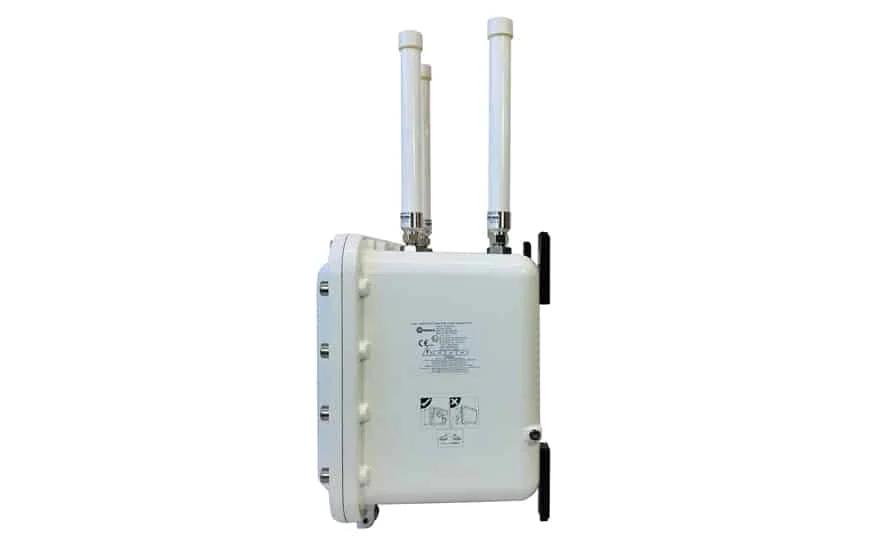
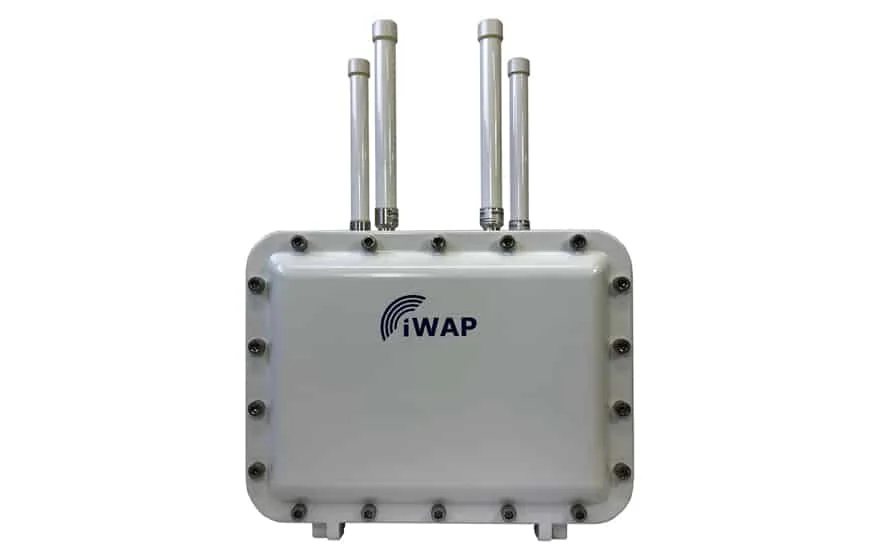
in a weatherproof box. Cisco's answer in this range is the IW9167E-HZ, which brings the Catalyst
IW9167E platform into hazardous locations with Class I Division 2, ATEX Zone 2/22 and IECEx
certifications - covering both the North American and the IEC schemes, and both gas and dust
through the Zone 2/22 marking. Cisco name oil and gas, chemical and pharmaceutical as the target
industries.
The detail that separates a well-engineered HAZLOC product from a certified one is this:
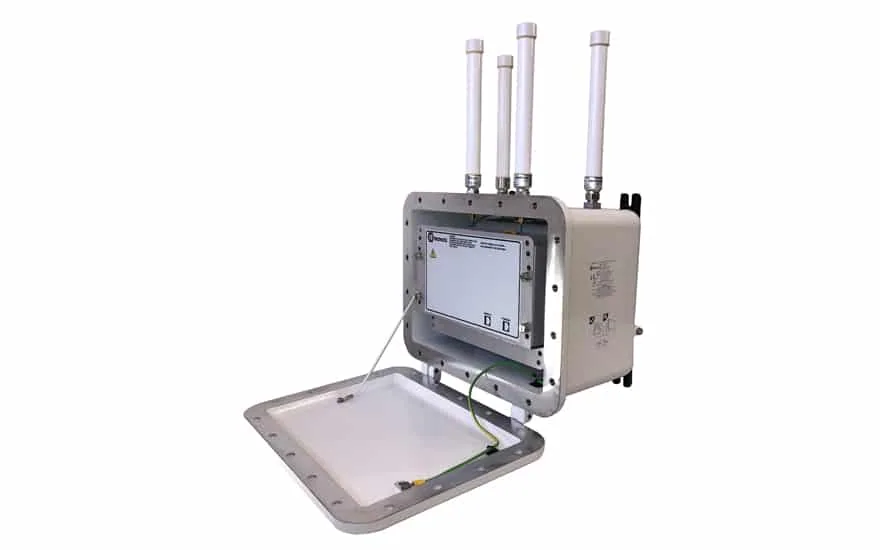
Cisco state the unit has built-in rugged certified M25 ports, and that every port is usable
without breaking certification. That sounds mundane and is the thing that most often goes wrong
in practice. On many certified enclosures, using a spare entry means opening the housing and
fitting a gland, at which point the installer owns a certification question they are not
equipped to answer. Ports that are certified as supplied remove that entirely.
On the radio side it is a current-generation access point rather than a compromise. Wi-Fi
6/6E - with 6E availability depending on local regulations - brings higher density, higher
throughput, more channels, better power efficiency and improved security than earlier
generations. It runs 4x4 MIMO with four spatial streams through eight N-type antenna connectors,
and Cisco offer a wide choice of HAZLOC-certified antennas, including antennas used with the
previous generation IW6300H Series. That backward compatibility is worth knowing on a site
already carrying IW6300H units, because the antennas and their mounting can often stay.
The more interesting capability is Ultra-Reliable Wireless Backhaul. URWB is Cisco's
technology for links that need greater reliability than Wi-Fi alone can provide, and the
IW9167E-HZ introduces it into hazardous environments. The distinction matters for anything
mission-critical: standard Wi-Fi is designed to recover from interference by retrying, which
costs time and produces variable latency. URWB is built for deterministic, low-latency links
that survive interference and handle movement - so it suits fixed backhaul between structures,
and mobile applications where a vehicle or a crane has to stay connected while moving.
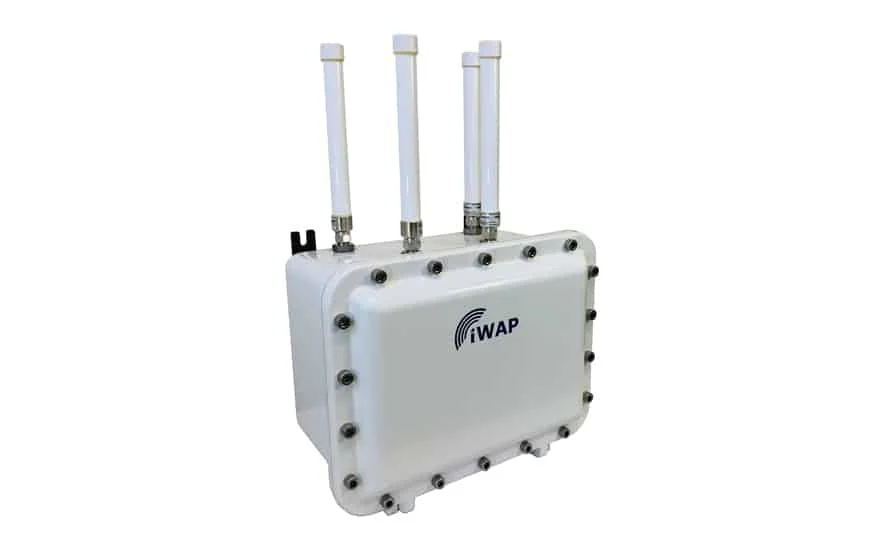
Physically it is built for exposure: an IP67-certified enclosure rated from -50 to +75
degrees C, so water, dust and temperature extremes are all covered. It can be powered by
Power over Ethernet, Cisco UPOE or DC, which is the flexibility that matters offshore where a
convenient PoE switch port and a convenient DC supply are rarely in the same place. Zone, gas
group and temperature class for the variant supplied are confirmed against your hazardous area
classification drawing at quotation.

 1 / 4
1 / 4