Jl. M.H. Thamrin Kav 3, Menara Thamrin, Level 3A, Jakarta 10250 +62-2139-8303-03 / +62 857 6344 7043 contact@vivoasia.com
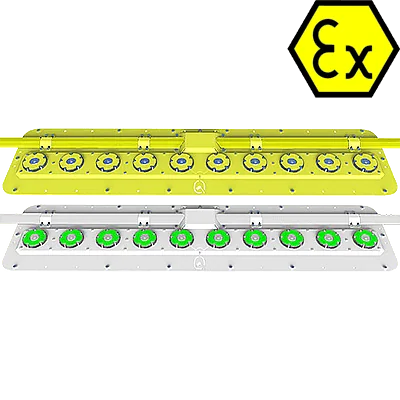
Q-Aviation Q23EL91-11R1 Ex Illuminated Windsock 1 / 2
Weather & Helideck Monitoring

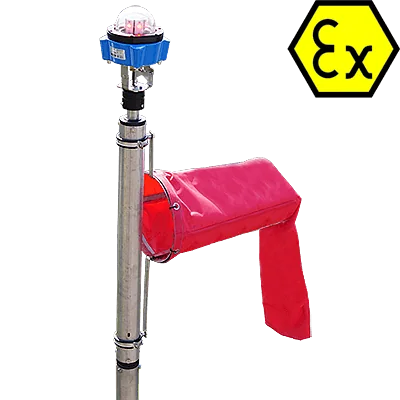
Q-Aviation Q23EL91-11R1 Ex Illuminated Windsock

Lit windsock for hazardous areas, so wind direction is readable before committing.

An illuminated windsock assembly in explosion-proof construction for hazardous area helidecks. Q-Aviation build a high-end windsock assembly, FAA orange powder coated, available in portable, solar and rigid configurations as part of their helideck lighting range.

  • FAA orange powder coated assembly
  • Illuminated, so wind is readable at night
  • Portable, solar and rigid versions in the range
SPECIFICATIONS
Order code Q23EL91-11R1
Function Illuminated wind direction indicator
Finish FAA orange powder coated
Versions Portable, solar and rigid
Compliance ICAO Annex 14, CAP437

Description

A windsock is the least sophisticated instrument on a helideck and one of the most important. It shows the pilot the wind at the deck, at the moment of landing, in a form that needs no interpretation - direction from the way it points, strength from how far it lifts. No anemometer reading relayed by radio does the same job, because what the pilot needs is the airflow where the aircraft will be, including whatever the structure itself is doing to it.

Illumination is what makes it useful for the two thirds of the day when it would otherwise be invisible. An unlit windsock on a night approach is not a degraded aid, it is no aid at all, and the pilot is left with a wind figure from the radio and no way to see the local flow. A lit sock keeps the reference available through the whole approach.

Q-Aviation offer this as part of their helideck lighting range, which spans the HAPI approach path indicator, the Circle and H marking, windsocks, perimeter, flood, status and obstruction lights. They describe a high-end windsock assembly finished in FAA orange powder coat, with portable, solar and rigid solutions available. The FAA orange is a standard conspicuity colour rather than a styling choice, and the powder coat is what keeps it that colour in sunlight and salt. The solar variant is worth knowing about for positions where running a supply is disproportionate - a remote pad, a temporary site, a structure with no spare circuit.

The explosion-proof construction applies to the lighting, since the fabric sock itself is inert. On a hydrocarbon facility the luminaire and its wiring are certified equipment like everything else in the classified area, and the zone, gas group and temperature class for the variant supplied are confirmed against the classification drawing at quotation.

What actually determines whether a windsock works is siting, and it is worth raising early. The sock has to be in clean air, visible from the approach, and not in the wake of the derrick, the accommodation block or a crane - otherwise it faithfully reports a disturbed flow that tells the pilot nothing about the deck. That is a positioning decision made with the deck layout in front of you, not a product choice.

Features

  • Illuminated. Keeps the wind reference available on a night approach, when an unlit sock is no aid at all.
  • FAA orange powder coated. Standard conspicuity colour, in a finish that holds up in sun and salt.
  • Explosion-proof lighting. Certified luminaire and wiring for classified areas.
  • Three configurations. Portable, solar and rigid, so a temporary or supply-less position is still coverable.
  • Solar option. Removes the need for a circuit at a remote or temporary pad.
  • Part of one range. Matches Q-Aviation's HAPI, Circle/H, perimeter, flood, status and obstruction lighting.
  • Siting advice included. Position matters more than specification - the sock must sit in clean air, clear of structure wake.

Applications

Wherever a helicopter lands, and especially where the structure disturbs the wind.

  • Offshore platform helidecks. Wind at the deck, not at the mast.
  • FPSOs and drillships. Where heading changes and the relative wind with it.
  • Vessel helidecks. Support and construction vessels underway.
  • Onshore pads at hazardous sites. Refinery and terminal helipads.
  • Remote and temporary pads. Using the solar variant where no supply exists.
  • Decks with significant structure. Where local flow differs markedly from the reported wind.

Support & Documents

PT Vivo Asia Teknologi Indonesia supplies weather and helideck monitoring as an integrated, commissioned system rather than as individual instruments. Our scope typically covers:

  • Selection against CAP 437, the relevant national requirement or your operator's standard.
  • Sensor siting to avoid the structure's own turbulence, exhaust and heat sources.
  • Signal, power and hazardous-area design across the deck and up to the control room.
  • Supply, installation, termination and commissioning.
  • Integration with the helideck monitoring system, status lighting and reporting outputs.
  • Calibration, periodic verification and ongoing maintenance.

Ranges, accuracies, approvals and electrical details vary by variant and are confirmed against the current manufacturer datasheet at quotation stage. Tell us the structure, the standard you are working to and the parameters you must report, and we will come back with a system design and a full bill of materials.

Use the enquiry button above for a datasheet, a specification or a project quotation.

Related products