Jl. M.H. Thamrin Kav 3, Menara Thamrin, Level 3A, Jakarta 10250 +62-2139-8303-03 / +62 857 6344 7043 contact@vivoasia.com
Weather & Helideck Monitoring

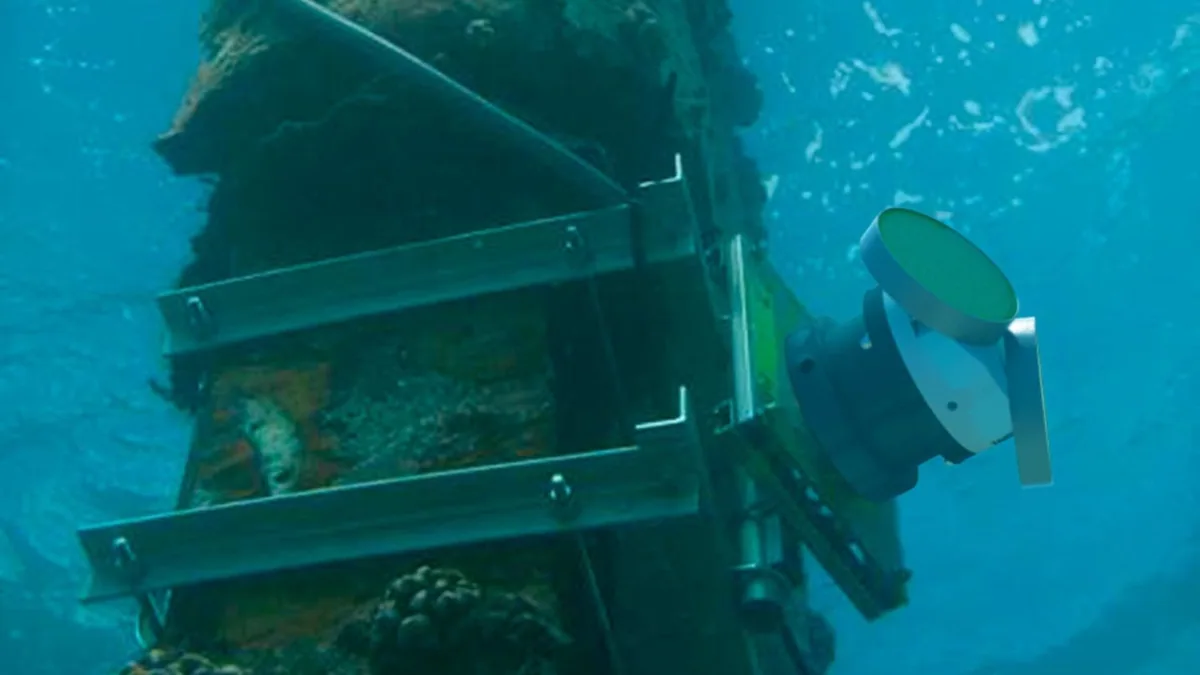
Nortek S4SH Acoustic Doppler Current Profiler (ADCP)

Acoustic Doppler current profiling: a full current profile from one instrument.

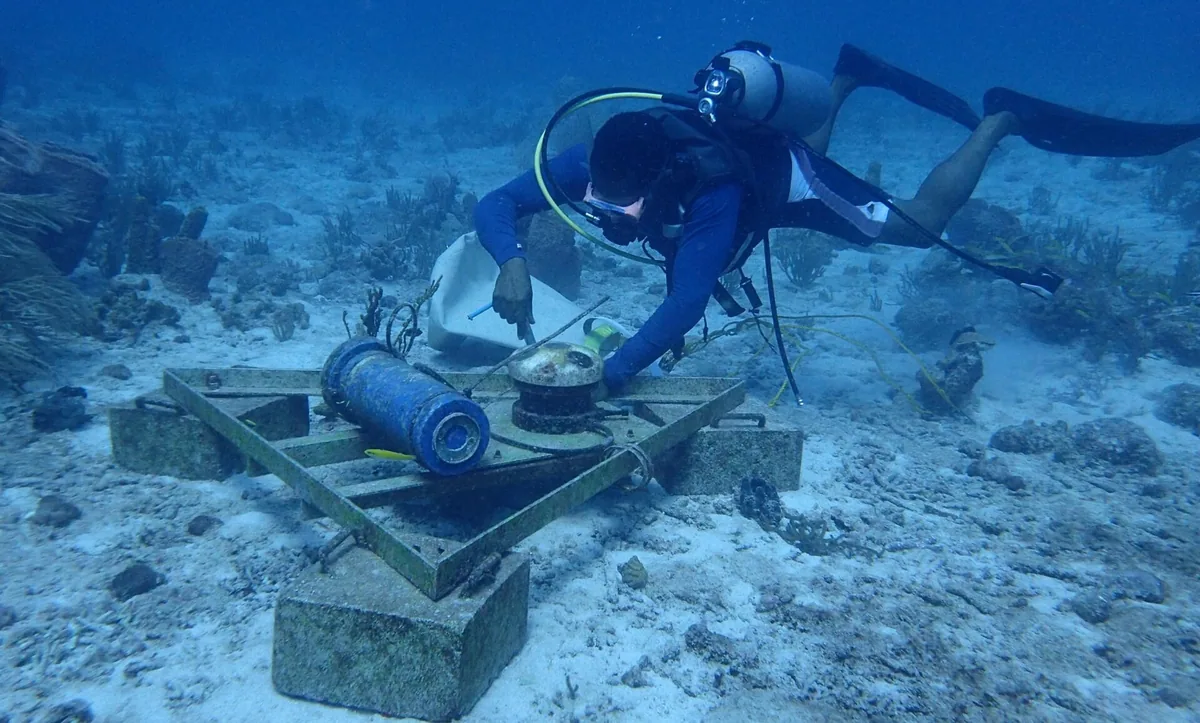
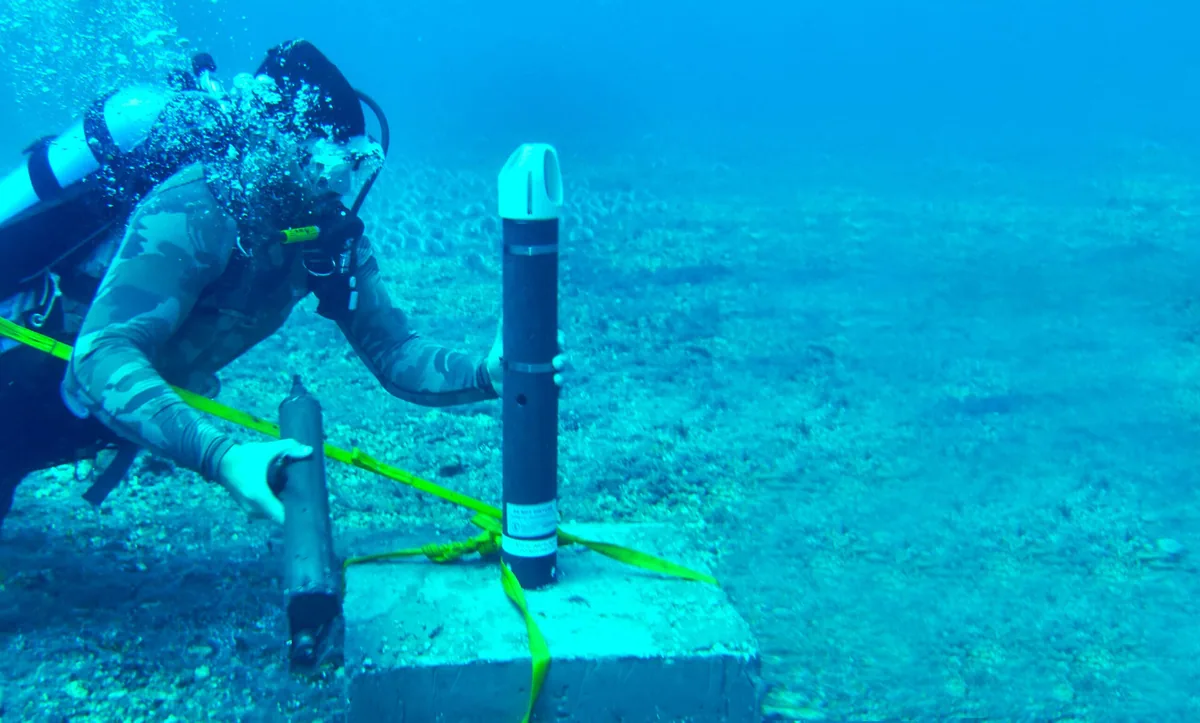
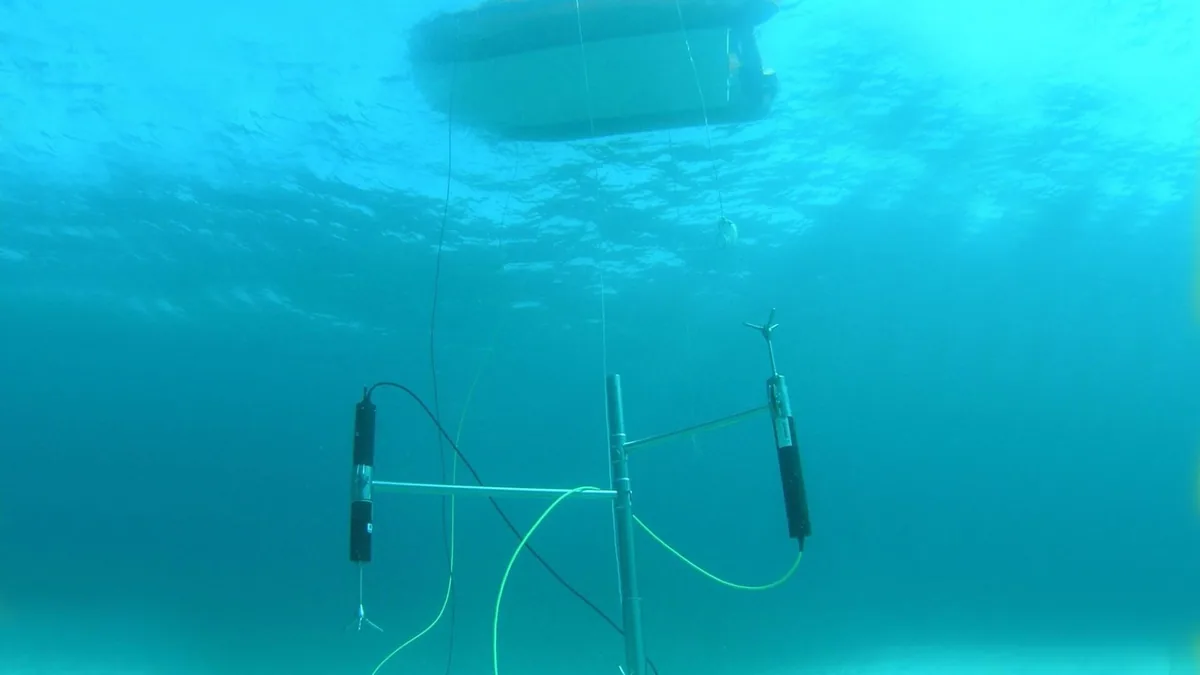
An acoustic Doppler current profiler measures water current at many depths at once from a single instrument, using the Doppler shift of sound reflected from particles in the water. Nortek build both the entry-level Aquadopp series and the high-end Signature series for this – though see the note below on this line’s model designation.

  • A whole current profile, not a single-depth measurement
  • No moving parts in the water
  • Configuration and depth cells set in deployment software
SPECIFICATIONS
Principle Acoustic Doppler current profiling
Output Current speed and direction in depth cells
Series Nortek Aquadopp and Signature ranges
Deployment Configured in Nortek deployment software
Details Exact variant and range confirmed at quotation

Description

Knowing the current at one depth tells you much less than people assume. Currents are layered: a surface flow driven by wind can run in a different direction from the tidal stream beneath it, and both can differ from what is happening near the seabed. For a riser, a mooring, a diving operation or a dynamic positioning system, the profile through the water column is the useful quantity, not a single number.

An acoustic Doppler current profiler produces that profile from one instrument. It transmits a pulse of sound and listens to the echo returned by particles suspended in the water. Those particles drift with the water, so the echo comes back frequency-shifted by the Doppler effect in proportion to how fast the water is moving toward or away from the instrument. Because sound returning from further away arrives later, the return can be sliced by arrival time into depth cells, each giving a velocity at a known distance. Several angled beams resolve those velocities into current speed and direction at every cell.

The practical consequences are worth stating. There are no moving parts in the water, so there is nothing to foul or seize - which is the failure mode of mechanical rotor current meters. The instrument does not have to be at the depth being measured; it profiles away from itself, so it can sit on the seabed looking up or under a structure looking down. And one deployment yields the whole column rather than requiring a string of instruments at different depths.

The trade-off that governs selection is between range and resolution, and it is set by acoustic frequency. A high frequency gives fine depth cells over a short range; a low frequency reaches much further with coarser cells. That single decision determines which instrument suits a site, which is why an ADCP is specified against water depth and the profile detail actually required rather than bought as a general-purpose device. Nortek span this with the Aquadopp series, which they position for users who are less experienced with the technology, and the high-end Signature series, which offers a wider range of configurations.

Setup is done in Nortek's deployment software, which lets the measurement scheme be configured and the power requirement assessed before the instrument goes in the water. That second function is not a nicety - on an autonomous deployment, cell size, ping rate and averaging interval together determine whether the battery lasts the intended period, and there is no correcting it once the instrument is on the seabed.

We should flag something rather than quietly work around it: "S4SH" is not a model designation we could find on Nortek's own site or in Nortek distributor catalogues. The "S4" naming pattern is used by InterOcean Systems for their S4 current meter family, which measures current electromagnetically rather than acoustically - a different instrument entirely. This looks like a brand or model mismatch carried over from the source data behind this catalogue line, and we would rather tell you that than print a specification for a product we cannot verify exists. Tell us the actual instrument - Nortek or otherwise - and we will write this page against it properly; until then, treat the figures above as background on ADCP technology in general rather than a specification for this exact line.

Features

  • A profile, not a point. Current speed and direction at many depths from a single instrument.
  • No moving parts in the water. Nothing to foul or seize, unlike a mechanical rotor current meter.
  • Measures away from itself. Seabed-up or structure-down, so the instrument need not sit at the depth of interest.
  • One deployment, whole column. Replaces a string of instruments at different depths.
  • Frequency sets range against resolution. Which is why the instrument is specified against water depth and required detail.
  • Two Nortek families. Aquadopp for straightforward deployments, Signature for wider configurability.
  • Power assessed before deployment. Nortek's deployment software checks the scheme's power requirement while it can still be changed.

Applications

Current profiling wherever the water column matters.

  • Offshore platforms and FPSOs. Riser and mooring design and monitoring data.
  • Dynamic positioning support. Current input for station-keeping.
  • Offshore wind farms. Site survey and foundation scour assessment.
  • Ports, channels and dredging. Tidal streams and sediment transport.
  • Diving and subsea operations. Current limits through the working depth.
  • Environmental monitoring. Discharge dispersion and long-term current records.

Support & Documents

PT Vivo Asia Teknologi Indonesia supplies weather and helideck monitoring as an integrated, commissioned system rather than as individual instruments. Our scope typically covers:

  • Selection against CAP 437, the relevant national requirement or your operator's standard.
  • Sensor siting to avoid the structure's own turbulence, exhaust and heat sources.
  • Signal, power and hazardous-area design across the deck and up to the control room.
  • Supply, installation, termination and commissioning.
  • Integration with the helideck monitoring system, status lighting and reporting outputs.
  • Calibration, periodic verification and ongoing maintenance.

Ranges, accuracies, approvals and electrical details vary by variant and are confirmed against the current manufacturer datasheet at quotation stage. Tell us the structure, the standard you are working to and the parameters you must report, and we will come back with a system design and a full bill of materials.

Use the enquiry button above for a datasheet, a specification or a project quotation.

Related products