Jl. M.H. Thamrin Kav 3, Menara Thamrin, Level 3A, Jakarta 10250 +62-2139-8303-03 / +62 857 6344 7043 contact@vivoasia.com
Weather & Helideck Monitoring

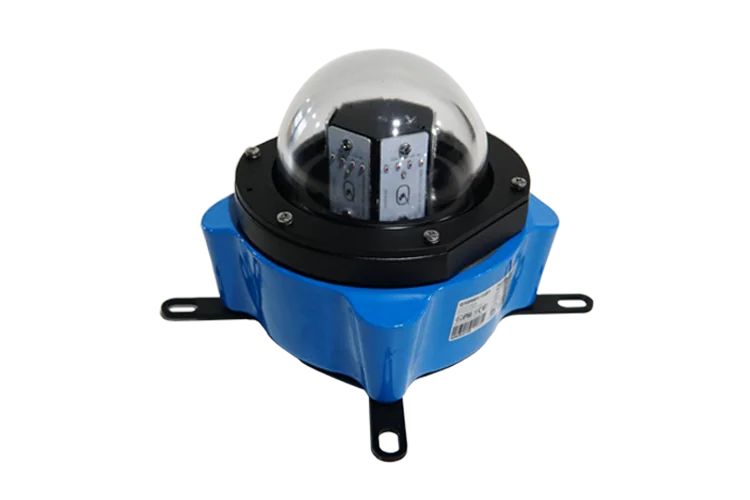
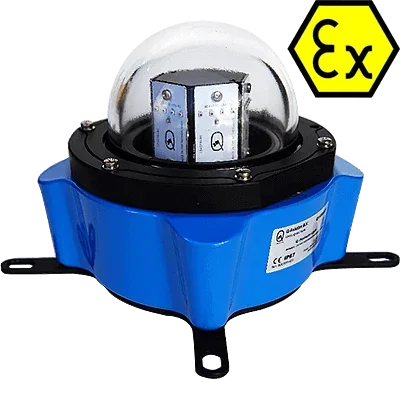
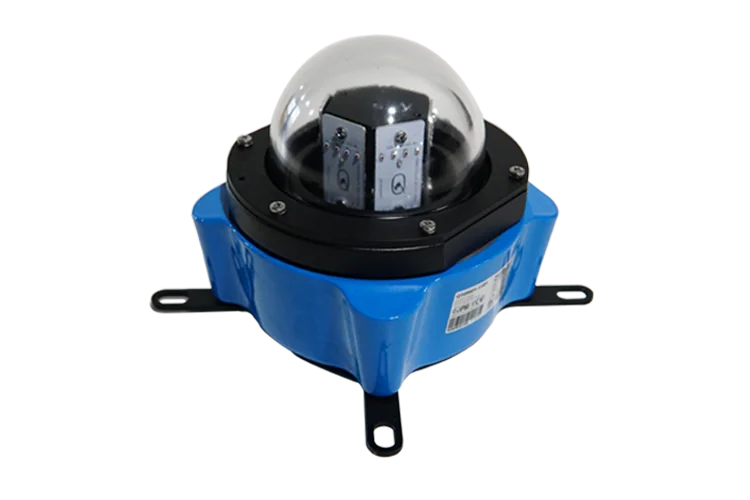
Q-Aviation Q40RI03L HMS Repeater Light System

Red, amber and blue repeater lights - becoming mandatory under CAP437 Rev 9.

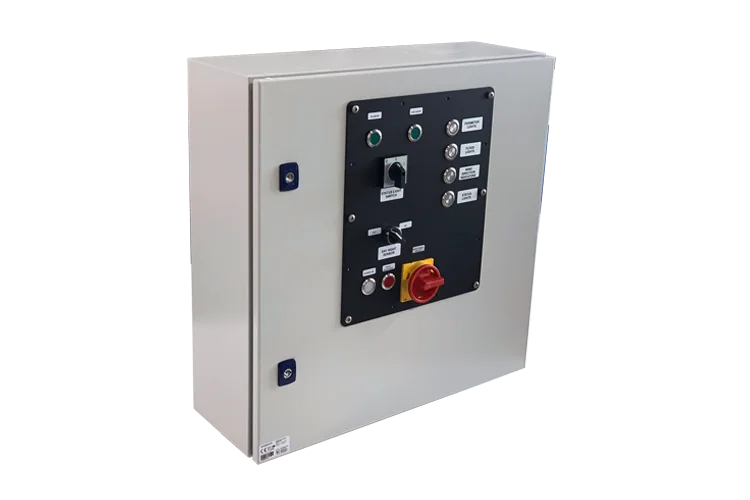
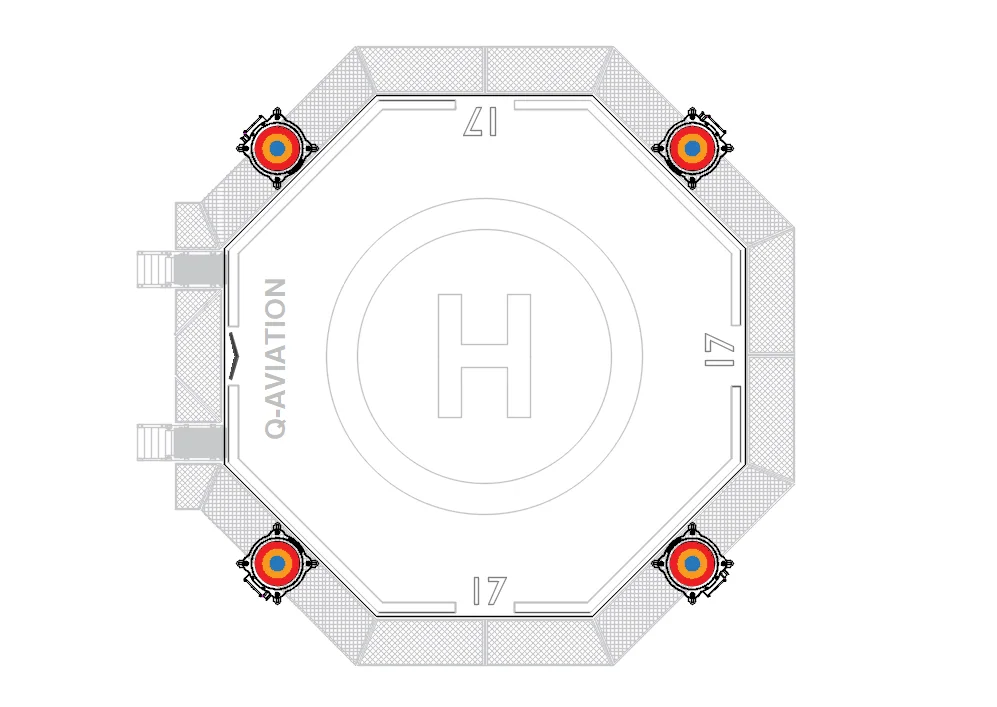
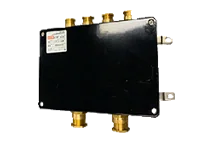
The Q-HMS Repeater Light System is a combined red, amber and blue light required by the CAP437 HMS upgrade. The system comprises four HMS repeater lights, an on-deck junction box and a control cabinet for the control room, and will become mandatory for vessels, jack-up rigs and other moving platforms following CAP437 Rev 9.

  • Combined red, amber and blue light per the CAP437 HMS upgrade
  • Becoming mandatory under CAP437 Rev 9 for moving platforms
  • Four lights, on-deck junction box and control room cabinet
SPECIFICATIONS
Order code Q40RI03L
Colours Combined red, amber and blue
System 4 repeater lights, on-deck junction box, control cabinet
Requirement CAP437 HMS upgrade, Rev 9
Applies to Vessels, jack-up rigs, other moving platforms
Description

This is the piece of helideck equipment most likely to be new to a site, and it comes with a deadline. Q-Aviation state that the HMS Repeater Light System will become mandatory for all vessels, jack-up rigs and other moving platforms that follow CAP437 Revision 9. If a moving structure with a helideck is working to CAP437, this moves from a good idea to a requirement.

The problem it solves is a real gap in how helideck motion has been handled. A helideck monitoring system measures pitch, roll, heave and wind, and compares them against the operating limits. Traditionally that assessment lived on a screen in the control room and reached the aircraft by radio - which means the pilot's knowledge of whether the deck is inside limits depends on a verbal relay, at the busiest moment of the flight, in the worst conditions. The repeater light puts the HMS verdict on the deck itself, where the pilot can see it.

It does that with a combined red, amber and blue light. A three-state indication is the right design for this: it distinguishes between within limits, marginal and outside limits, rather than reducing a graduated condition to a yes or no. The pilot reads the deck's status directly from the deck during the approach, and it updates as the motion does.

The system is supplied as a system rather than as lights. Q-Aviation describe it as four HMS repeater lights, an on-deck junction box and a control cabinet that can be placed in the control room. Four lights is what gives visibility from the approach directions a moving platform can present, since a vessel's heading and therefore the aircraft's approach vary. The on-deck junction box keeps deck wiring in one certified, accessible place, and putting the control cabinet in the control room is what ties the lights to the HMS and to the people watching it.

Q-Aviation note it is designed to withstand the conditions of the offshore environment, which for equipment mounted on the deck of a moving vessel means salt, impact, wash-down and constant vibration. Because the requirement is tied to a specific CAP437 revision, the practical advice is to establish which revision your operation is being assessed against before planning the work - the upgrade involves deck penetrations and a control room cabinet, which is a shutdown or a docking rather than an afternoon.

Features

  • Becoming mandatory. Q-Aviation state CAP437 Rev 9 will require it for vessels, jack-up rigs and other moving platforms.
  • Three-state indication. Combined red, amber and blue, so a graduated condition is not reduced to yes or no.
  • Status on the deck. Puts the HMS verdict where the pilot can see it instead of relying on a radio relay.
  • Four lights. Visible from the approach directions a moving platform can present.
  • Supplied complete. Lights, on-deck junction box and a control cabinet for the control room.
  • Built for the environment. Designed to withstand offshore deck conditions - salt, impact, wash-down and vibration.
  • Ties into the HMS. Driven by the monitoring system rather than switched by hand.

Applications

Aimed squarely at helidecks that move.

  • Vessels with helidecks. Support, construction and standby vessels named in the requirement.
  • Jack-up rigs. Explicitly included by Q-Aviation.
  • FPSOs and drillships. Moving platforms under CAP437.
  • Semi-submersibles. Where deck motion is the limiting factor on flights.
  • CAP437 Rev 9 compliance projects. Planned into a docking or shutdown.
  • Existing HMS installations. Adding the deck indication to a system that already measures motion.

Support & Documents

PT Vivo Asia Teknologi Indonesia supplies weather and helideck monitoring as an integrated, commissioned system rather than as individual instruments. Our scope typically covers:

  • Selection against CAP 437, the relevant national requirement or your operator's standard.
  • Sensor siting to avoid the structure's own turbulence, exhaust and heat sources.
  • Signal, power and hazardous-area design across the deck and up to the control room.
  • Supply, installation, termination and commissioning.
  • Integration with the helideck monitoring system, status lighting and reporting outputs.
  • Calibration, periodic verification and ongoing maintenance.

Ranges, accuracies, approvals and electrical details vary by variant and are confirmed against the current manufacturer datasheet at quotation stage. Tell us the structure, the standard you are working to and the parameters you must report, and we will come back with a system design and a full bill of materials.

Use the enquiry button above for a datasheet, a specification or a project quotation.

Related products