ATEX-rated GMDSS handheld: 149.3-174 MHz, IP67, 2 W high / 1 W low.
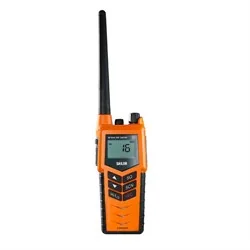
The SAILOR SP3540 is a GMDSS-approved portable VHF certified to ATEX 94/9/EC as II 2 G Ex ib IIC T4. It covers 149.3 to 174 MHz with 25 kHz channel spacing, the GMDSS pre-programmed channels plus 100 programmable ones, at 2 W high or 1 W low radiated power, sealed to IP67.
ATEX II 2 G Ex ib IIC T4 – carried into classified areas as well as survival craft
GMDSS channels pre-programmed, plus 100 user-programmable channels
IP67, 0.39 kg, primary and rechargeable batteries both supplied
A GMDSS portable VHF has two jobs on a vessel. The first is regulatory: two-way radios have
to be carried for use in survival craft, so a liferaft can talk to a searching vessel or
aircraft and to the ship it left. The second is everyday operational communication on deck.
The SP3540 covers both, and its ATEX certification is what allows the second job in areas
where an ordinary handheld would be prohibited.
The marking is specific: ATEX 94/9/EC at II 2 G Ex ib IIC T4. IIC is the widest gas group,
covering hydrogen and acetylene as well as the more common groups, and ib is intrinsically
safe protection suited to Zone 1 as well as Zone 2. That combination is why Cobham position it
for tankers, supply vessels and offshore operations - the classified areas most likely to
present the more demanding gas groups.
On the radio itself: 149.3 to 174 MHz with 25 kHz channel separation covers the marine VHF
band with room either side, and the set carries the GMDSS channels pre-programmed alongside
100 further programmable channels for operational traffic. Output is 2 W on high power or 1 W
on low, both figures being radiated power rather than a transmitter rating - the number a
distant station actually receives. At 28 x 6.6 x 5.5 cm and 0.39 kg it is small enough to be
worn without becoming a burden, and it is rated IP67, tested for immersion rather than only
splash resistance.
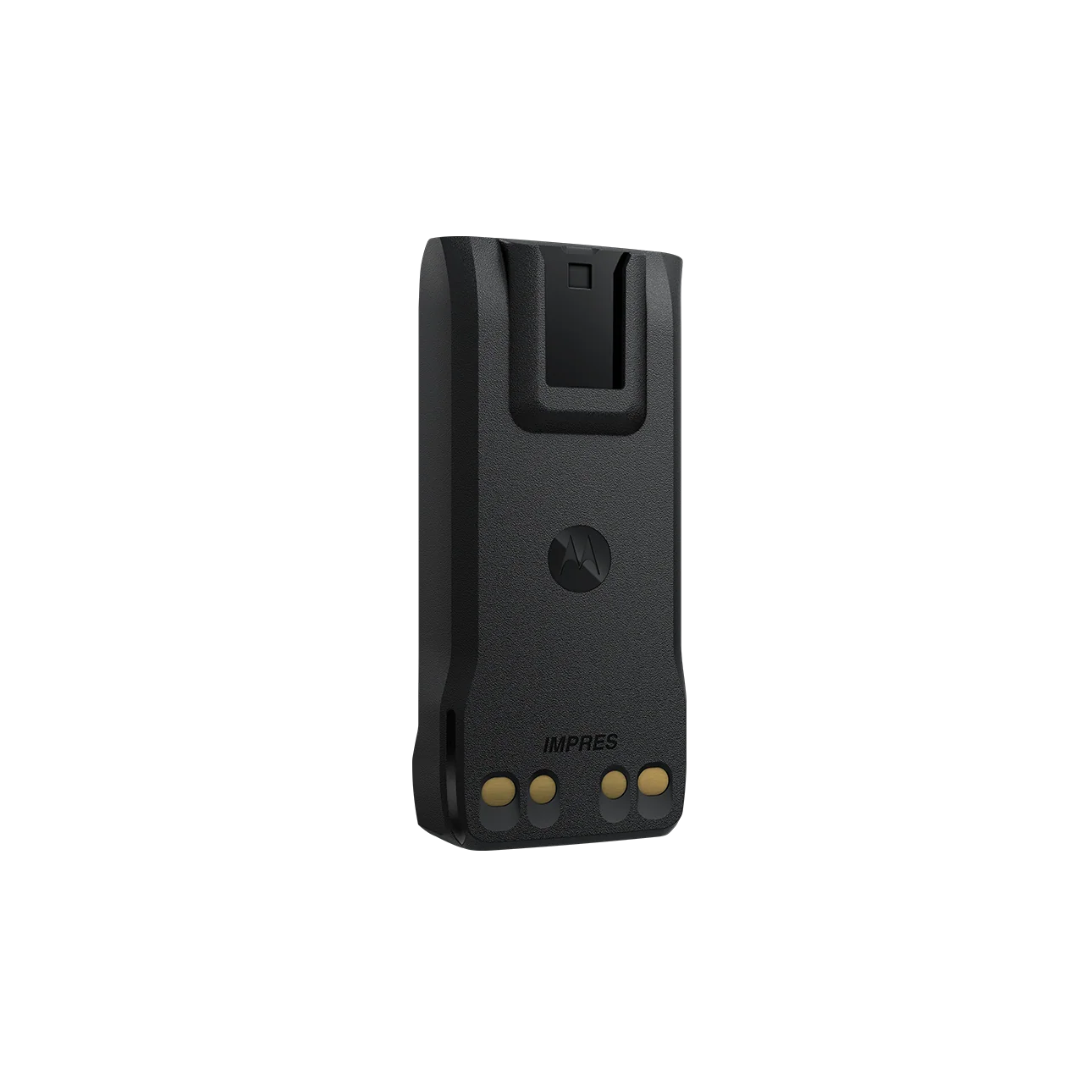
The battery arrangement is what makes it a genuine GMDSS set rather than an Ex handheld
pressed into service. It runs from a 7.2 V DC pack, either the Sailor B3503 or B3504, and the
ATEX kit is supplied with a primary battery, a rechargeable battery and a charger together -
so the long-life primary for the survival-craft role and the rechargeable pack for daily use
are both present from the start, rather than being an accessory decided on later. Operating
range is -20 to +55 degrees C.
Features
ATEX II 2 G Ex ib IIC T4. IIC covers hydrogen and acetylene; ib suits
Zone 1 as well as Zone 2.
149.3-174 MHz, 25 kHz spacing. GMDSS channels pre-programmed, plus 100
programmable channels for operational traffic.
2 W high / 1 W low, radiated. The figure a distant station actually
receives.
IP67. Tested for immersion, not only splash resistance.
0.39 kg. Small enough to be worn without becoming a burden.
Both batteries supplied. Primary, rechargeable and charger included in
the ATEX kit, on the Sailor B3503 or B3504 pack.
-20 to +55 degrees C. The stated operating range.
Applications
Sourced from Cobham's own SP3540 product page.
Tankers and gas carriers. Cargo operations in classified areas.
Offshore platforms and FPSOs. Deck and process area
communications.
Survival craft. Stowed for use in the liferaft or lifeboat.
Bunkering and STS transfers. Where both parties are working in a
classified zone.
Shipyards and repair yards. Hot work and tank entry
supervision.
Support & Documents
PT Vivo Asia Teknologi Indonesia supplies and services radio and GMDSS equipment as
part of a compliant installation rather than as a boxed item. Our scope typically covers:
Selection against the vessel's or facility's carriage requirements and area of operation.
Installation design: antenna siting, feeder runs, power supplies and battery backup.
Supply, installation, termination and commissioning.
Radio survey support, and coordination with class and flag administration where needed.
Programming, channel plans and licence documentation.
Annual testing, battery replacement and ongoing maintenance.
Approvals, frequencies and electrical details vary by variant and market and are
confirmed against the current manufacturer datasheet at quotation stage. Tell us the
vessel type or site, the flag and the equipment already installed, and we will come back
with the right variant and a full bill of materials.
Use the enquiry button above for a datasheet, a specification or a project quotation.

 1 / 3
1 / 3