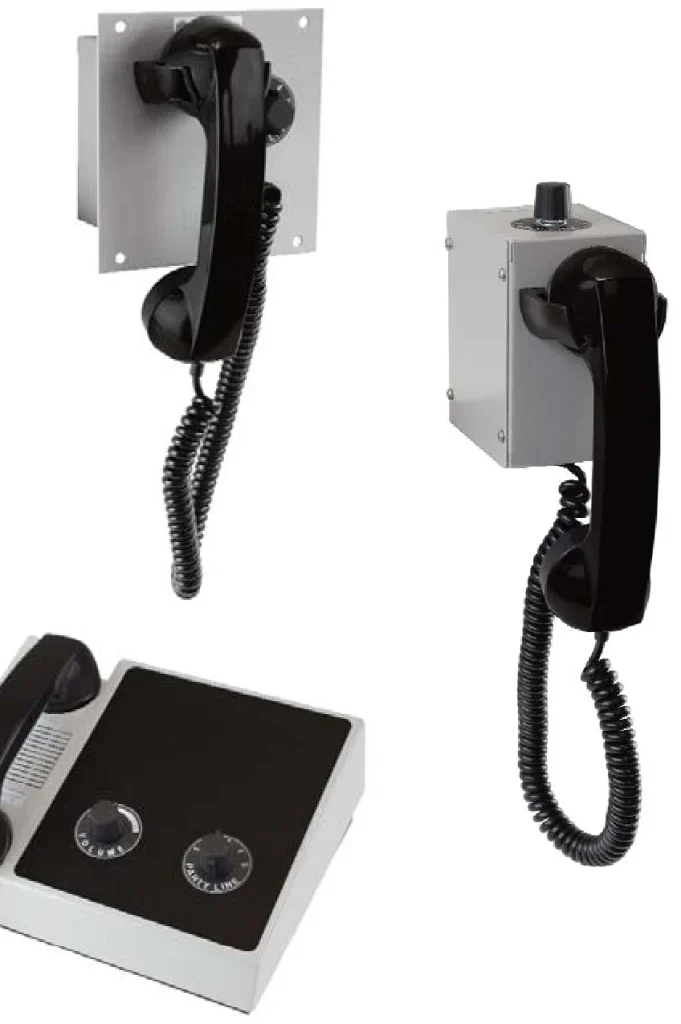
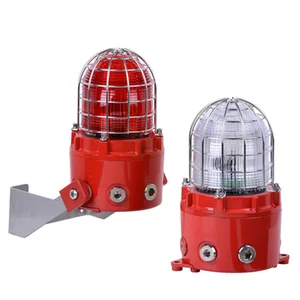
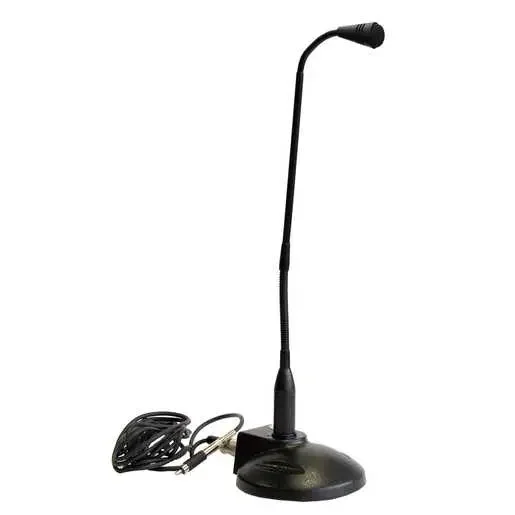
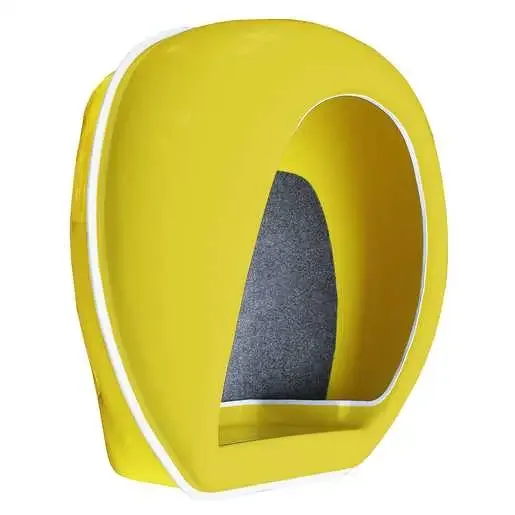
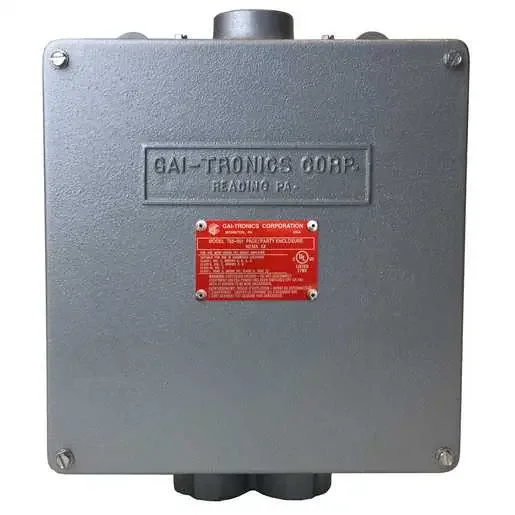
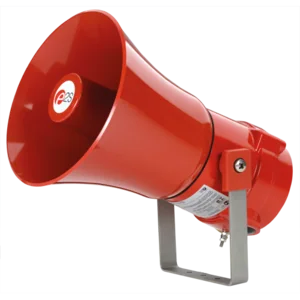
Wall stations that let people page, call or trigger an alarm from where they are.
An access panel is the fixed station a PAGA system is operated from out on the site: a wall-mounted unit that lets someone make a call, page a zone or raise an alarm without returning to the control room.
Operates the PAGA system away from the control room
Zone paging, call and alarm functions per the site scheme
Specified for its location and, where classified, its zone
FunctionsPaging, call and alarm initiation, by scheme
EnvironmentIndoor, outdoor or hazardous area by variant
DetailsConfiguration confirmed at design stage
Description
A PAGA system needs to be operable from more than one place. The control room handles
site-wide announcements, but the person who needs to say something is often somewhere else
entirely - at a gate, on a jetty, in a plant room, at the point where something has just gone
wrong. Access panels are the fixed stations that let them do it from there.
What a given panel does is set by the site's alarm and communication philosophy rather than
by the hardware. Some are simple: press to talk to the control room. Others select a zone and
page into it. Some carry alarm initiation, which is a different class of function altogether
and is normally protected against being triggered by accident. The important design work is
deciding which functions belong at which locations, and who is expected to use them - a panel
in a public area and a panel in a plant room should not offer the same things.
Location dictates construction. A panel in an office corridor and one on an open deck are
different products: the exposed one needs sealing against water and salt, and it has to be
operable by someone in gloves. Where the position is inside a classified area, the panel is
certified equipment like everything else there, matched to the zone and gas group on the
classification drawing.
Panels also have to be found in a hurry, by someone who has never used one, possibly in
poor visibility. Position, mounting height, labelling and consistency across the site do more
for that than any feature of the device. We specify these as part of the PAGA design, so what
each panel does, where it is and how it is labelled follows one scheme across the whole
facility instead of being decided panel by panel.
Features
Operation away from the control room. Announcements and calls made from
where the person actually is.
Functions set by the scheme. Call, zone paging and, where intended,
alarm initiation - assigned by location and by who uses it.
Protected alarm functions. Alarm initiation guarded against accidental
operation.
Built for the position. Sealed and glove-operable variants for exposed
and outdoor locations.
Certified where required. Hazardous area versions matched to the zone
and gas group.
Consistent across the site. One labelling and layout scheme, so a panel
is usable by someone who has not used that one before.
Applications
Panels go where people need to reach the system, not where cabling is easiest.
Gatehouses and entry points. Local calls and vehicle announcements.
Plant rooms and process areas. Reaching the control room from the
field.
Jetties, decks and loading areas. Sealed panels in exposed
positions.
Muster points. Communication during and after an evacuation.
Workshops and warehouses. Zone paging within a building.
Classified areas. Certified panels where an operator station is needed
inside the zone.
Support & Documents
PT Vivo Asia Teknologi Indonesia designs and commissions public address and general
alarm systems rather than simply supplying the parts. Our scope typically covers:
Acoustic coverage study against your layout and measured background noise levels.
Loudspeaker selection, placement, tapping and zone design.
Amplifier, controller and cabling design, including line monitoring where required.
Supply, installation, termination and commissioning.
Intelligibility testing and sign-off against the applicable standard.
Integration with fire and gas detection, ESD and telephone systems.
Operator training, spares provisioning and ongoing maintenance.
Ratings, approvals and acoustic figures vary by model and are confirmed against the
current manufacturer datasheet at quotation stage. Tell us the areas to be covered, the
hazardous-area classification and the noise levels you are working against, and we will
come back with a coverage design and a full bill of materials.
Use the enquiry button above for a datasheet, a specification or a project quotation.