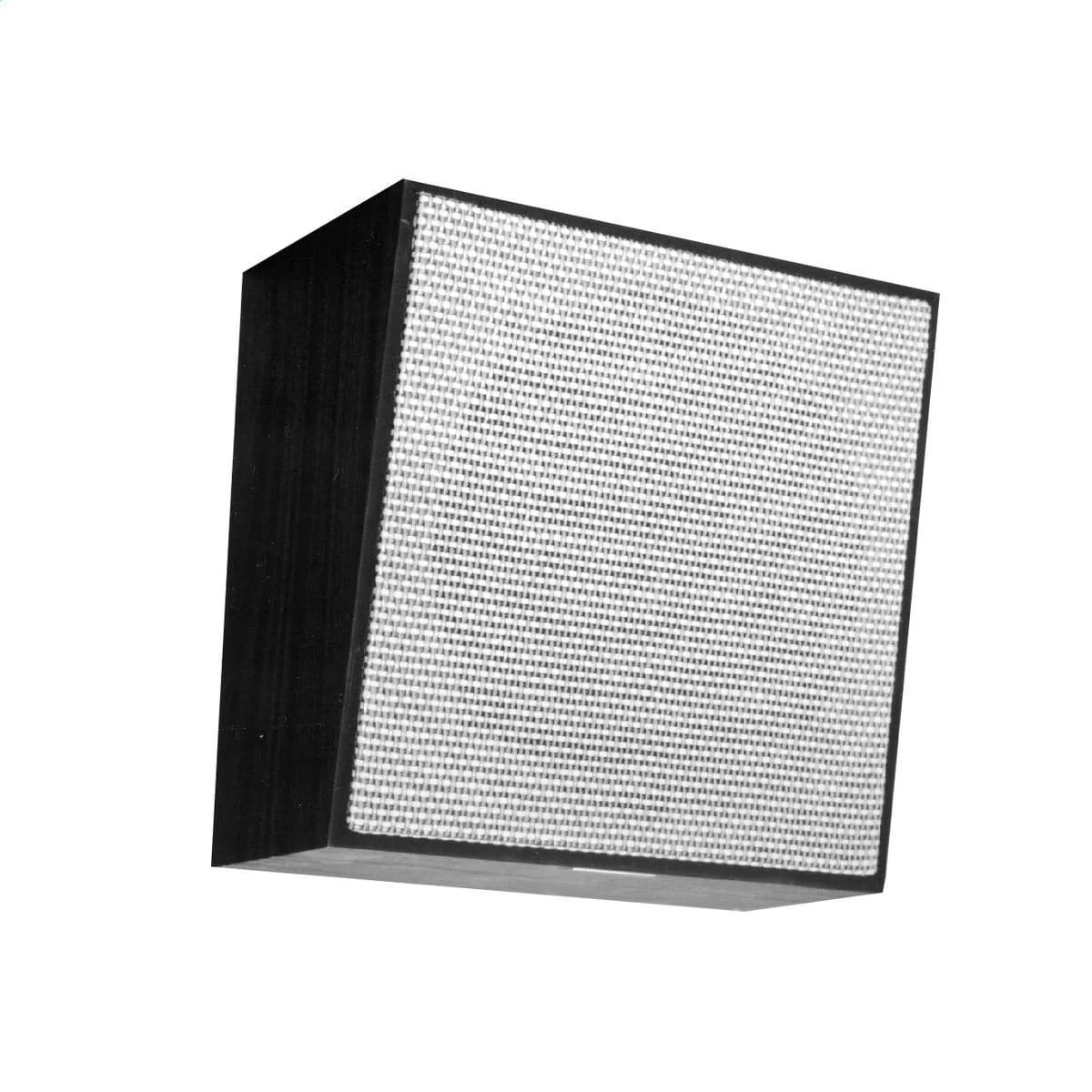
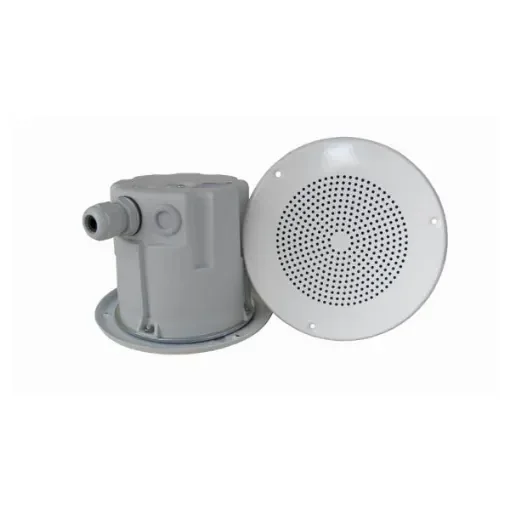
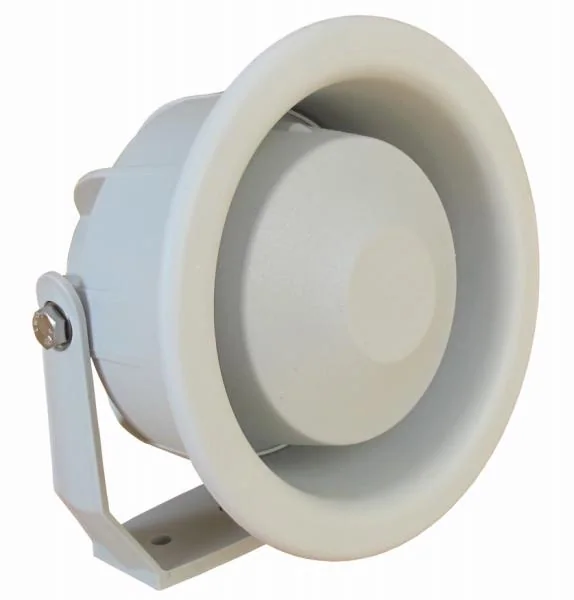
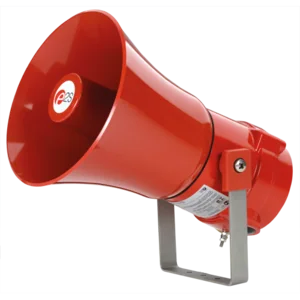
DNH cabinet loudspeakers, including EN 54-24 certified models for alarm systems.
DNH cabinet loudspeakers come in a wide variety of shapes and designs, are easy to install and terminate, and reproduce speech and background music well. The range includes the vandal-resistant SAFE-m6, the award-winning CP 66, the low-profile TRIC-6 and EN 54-24 certified models such as the CAS-15-54(T).
EN 54-24 certified models for fire alarm and emergency systems
SAFE-m6, CP 66, TRIC-6 and the aluminium CAS range
A cabinet loudspeaker is the wall-mounted workhorse of a paging system - the device that
covers a corridor, a workshop bay, a plant room or the outside of a building where a ceiling
is unavailable or unsuitable. The driver sits in a purpose-built enclosure with a fixed
bracket, and the enclosure is what determines both how it sounds and how long it lasts.
The most important thing to establish about any cabinet loudspeaker on an industrial site
is whether it is certified to EN 54-24. That standard is part of the EN 54 family covering
fire detection and fire alarm systems, and part 24 applies specifically to voice alarm
loudspeakers. A loudspeaker certified to it has been tested to behave predictably as part of a
life-safety system, which is a different and much higher bar than sounding acceptable. DNH's
CAS-15-54(T), for example, is a cabinet loudspeaker built entirely in aluminium, intended for
fire alarm and emergency systems, and tested and certified to EN 54-24. If a scheme has a
voice alarm function, this is not an optional refinement.
Beyond that, the range answers different problems with different models rather than one
compromise. The SAFE-m6 is the rugged, vandal-resistant option for public and semi-public
areas. The CP 66 is DNH's award-winning design for spaces where appearance is part of the
brief. The TRIC-6 is unusually low profile, for places where a conventional cabinet would
project too far. The CAS-6(T) is designed for both indoor and outdoor use. Choosing on shape,
material and mounting rather than on wattage alone is what makes an installation look
deliberate.
The (T) in these model numbers matters practically: it indicates a transformer-fitted
version for 100 V line operation, which is how a distributed PAGA system feeds many
loudspeakers over long cable runs without unacceptable losses. DNH also make a point of these
being easy to install and terminate - a genuine consideration when there are several hundred
of them on a project.
Features
EN 54-24 certified models available. Tested specifically as voice alarm
loudspeakers for EN 54 fire detection and fire alarm systems.
All-aluminium construction on the CAS range. CAS-15-54(T) is built
entirely in aluminium for fire alarm and emergency use.
A model per problem. Vandal-resistant SAFE-m6, award-winning CP 66,
low-profile TRIC-6, indoor-outdoor CAS-6(T).
Line transformer versions. (T) models for 100 V distributed systems and
long cable runs.
Easy to install and terminate. DNH's stated design intent, which shows
on a job with hundreds of units.
Speech and music. Suitable for background music as well as
announcements, so one device serves both.
Marine approvals available. DNH's MED certified range includes cabinet
loudspeakers.
Applications
Cabinet loudspeakers cover the built parts of a site.
Corridors, stairwells and escape routes. Where EN 54-24 certification is
usually a requirement rather than a preference.
Workshops, plant rooms and stores. Wall mounting where there is no
ceiling to use.
Accommodation and welfare areas. Speech and background music from the
same device.
Building exteriors and covered walkways. Indoor-outdoor models such as
the CAS-6(T).
Public and semi-public areas. The vandal-resistant SAFE-m6 where
tampering is a realistic risk.
Vessels and offshore accommodation. Where marine approval is
required.
Support & Documents
PT Vivo Asia Teknologi Indonesia designs and commissions public address and general
alarm systems rather than simply supplying the parts. Our scope typically covers:
Acoustic coverage study against your layout and measured background noise levels.
Loudspeaker selection, placement, tapping and zone design.
Amplifier, controller and cabling design, including line monitoring where required.
Supply, installation, termination and commissioning.
Intelligibility testing and sign-off against the applicable standard.
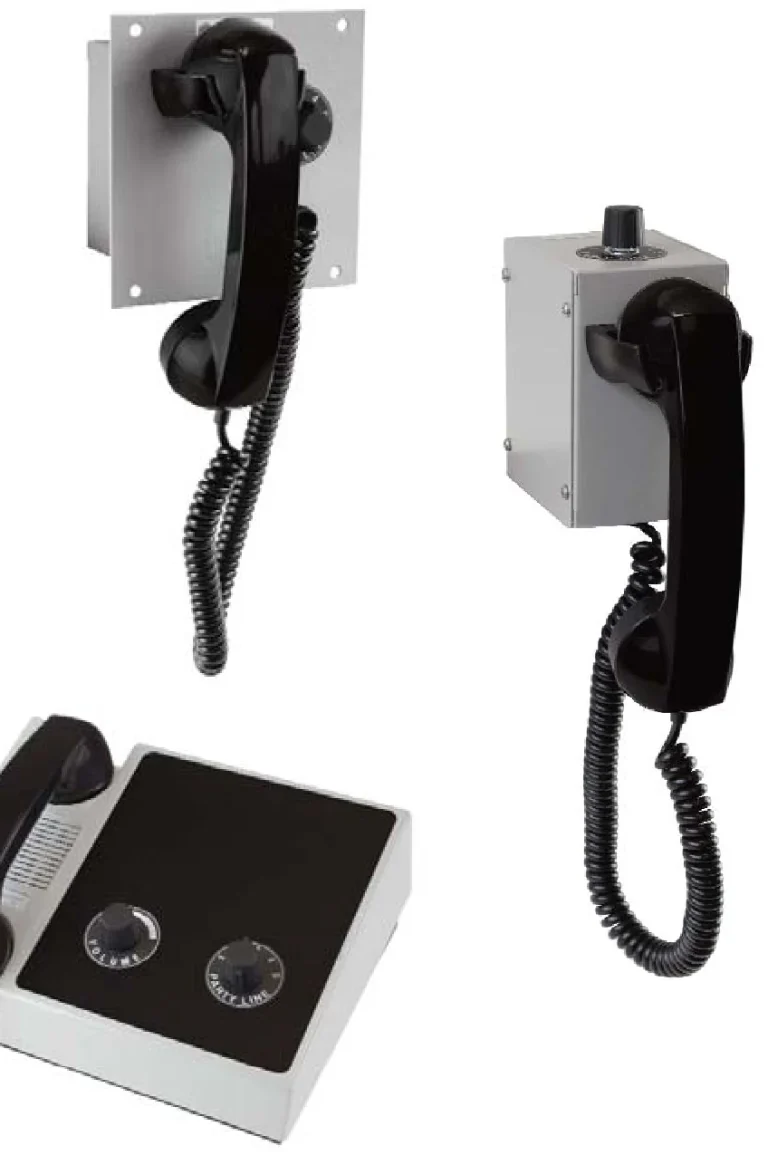
Integration with fire and gas detection, ESD and telephone systems.
Operator training, spares provisioning and ongoing maintenance.
Ratings, approvals and acoustic figures vary by model and are confirmed against the
current manufacturer datasheet at quotation stage. Tell us the areas to be covered, the
hazardous-area classification and the noise levels you are working against, and we will
come back with a coverage design and a full bill of materials.
Use the enquiry button above for a datasheet, a specification or a project quotation.