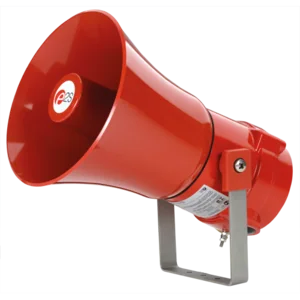
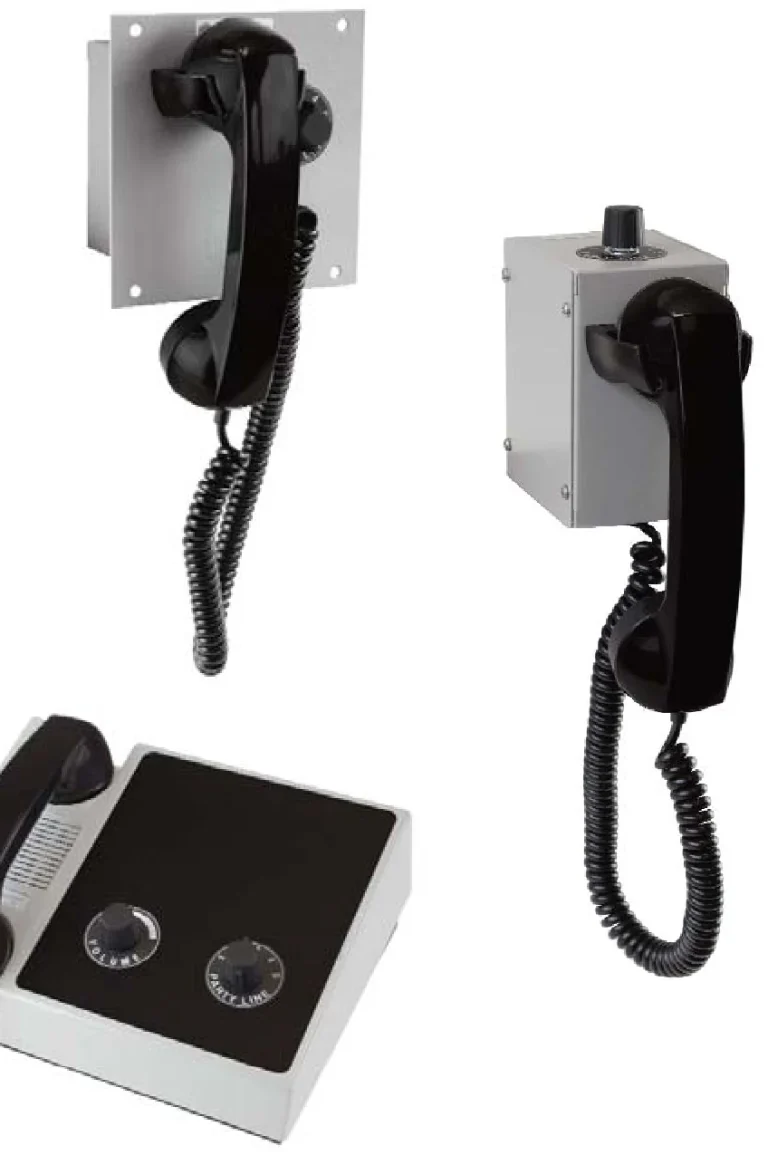
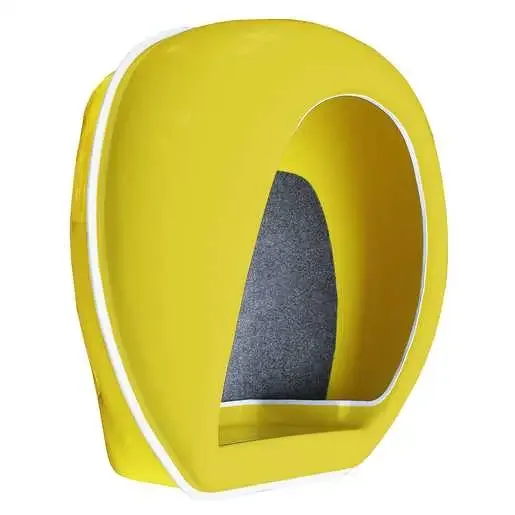
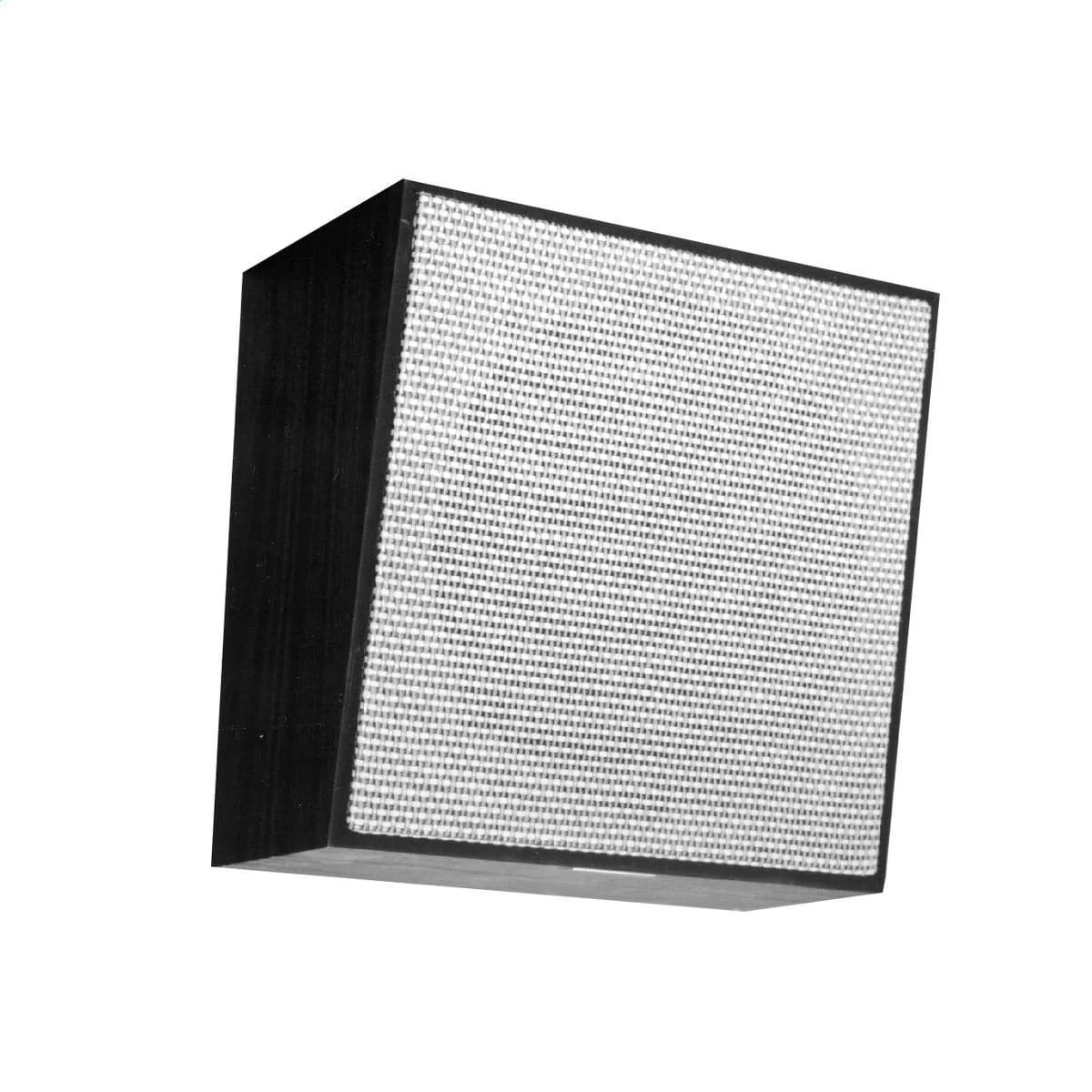
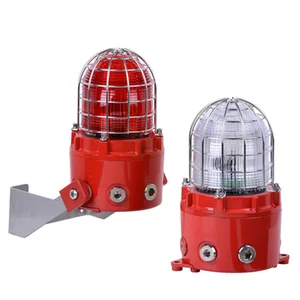
Visual alarm devices for high-noise areas and for anyone who cannot hear the alarm.
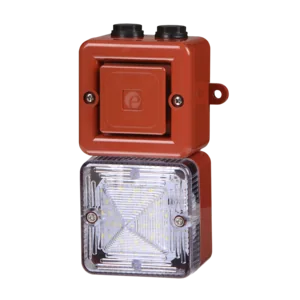
A flashing beacon is the visual half of an alarm. It signals where noise, hearing protection or hearing loss makes a sounder unreliable, and is supplied in versions for ordinary areas and for classified hazardous areas.
Alarm indication where sound alone cannot be relied on
Lens coloursAssigned by alarm type in the site scheme
CertificationBy zone and gas group where classified
DetailsModel and rating confirmed at quotation
Description
An alarm that can only be heard is an alarm that will be missed. On a plant running at 95
decibels, with everyone in hearing protection, a sounder is competing with the very noise the
protection is there to block. Add anyone with hearing loss, and anyone in an enclosed cab or
control booth, and sound alone stops being a dependable way to tell people something has
happened. A beacon covers that gap by making the alarm visible.
Beacons are almost always specified alongside sounders rather than instead of them, and the
two are driven from the same alarm circuit so they cannot disagree. What the beacon adds is
independence from the acoustic environment: it works through hearing protection, through a
closed cab window and across a space too noisy for speech.
The site's alarm philosophy is what determines colours and flash patterns, and consistency
matters more than any individual choice. A colour scheme that assigns one meaning to red and
another to amber only works if it is applied identically across the whole facility and
everybody has been told what it means. Getting this documented and consistent is usually more
valuable than any feature of the device.
Hazardous-area versions exist for the same reason explosion-proof loudspeakers do: a beacon
is powered electrical equipment with a light source, and in a classified area it must be
certified for the zone, gas group and temperature class recorded on the classification
drawing. The Ex and non-Ex versions of a range are not interchangeable, and substituting the
wrong one is a serious matter. Mounting position, and a clear line of sight from where people
actually work, decide whether a beacon does its job at all - a beacon behind a pipe rack is
just a light nobody sees.
Features
Works where sound does not. Effective through hearing protection, high
ambient noise and closed cab windows.
Reaches everyone. Covers people with hearing loss, who a sounder-only
scheme leaves out.
Ex and non-Ex versions. Certified models for classified areas, standard
models where certification is not required.
Driven with the sounders. Same alarm circuit, so audible and visual
indication cannot disagree.
Colour and pattern by alarm type. Assigned once, applied consistently
across the whole site.
Positioned for line of sight. Located against where people work, not
where mounting is convenient.
Applications
Beacons belong wherever the audible alarm cannot be trusted on its own.
High-noise plant areas. Compressor houses, turbine halls and process
units.
Hearing protection zones. Where everyone present is wearing
protection.
Classified areas. Ex-certified beacons matched to the zone.
Machinery spaces and engine rooms. On vessels and offshore
structures.
Control booths and vehicle cabs. Enclosed positions that attenuate
sound.
Muster points and escape routes. Confirming the alarm state to people on
the move.
Support & Documents
PT Vivo Asia Teknologi Indonesia designs and commissions public address and general
alarm systems rather than simply supplying the parts. Our scope typically covers:
Acoustic coverage study against your layout and measured background noise levels.
Loudspeaker selection, placement, tapping and zone design.
Amplifier, controller and cabling design, including line monitoring where required.
Supply, installation, termination and commissioning.
Intelligibility testing and sign-off against the applicable standard.
Integration with fire and gas detection, ESD and telephone systems.
Operator training, spares provisioning and ongoing maintenance.
Ratings, approvals and acoustic figures vary by model and are confirmed against the
current manufacturer datasheet at quotation stage. Tell us the areas to be covered, the
hazardous-area classification and the noise levels you are working against, and we will
come back with a coverage design and a full bill of materials.
Use the enquiry button above for a datasheet, a specification or a project quotation.

 1 / 2
1 / 2