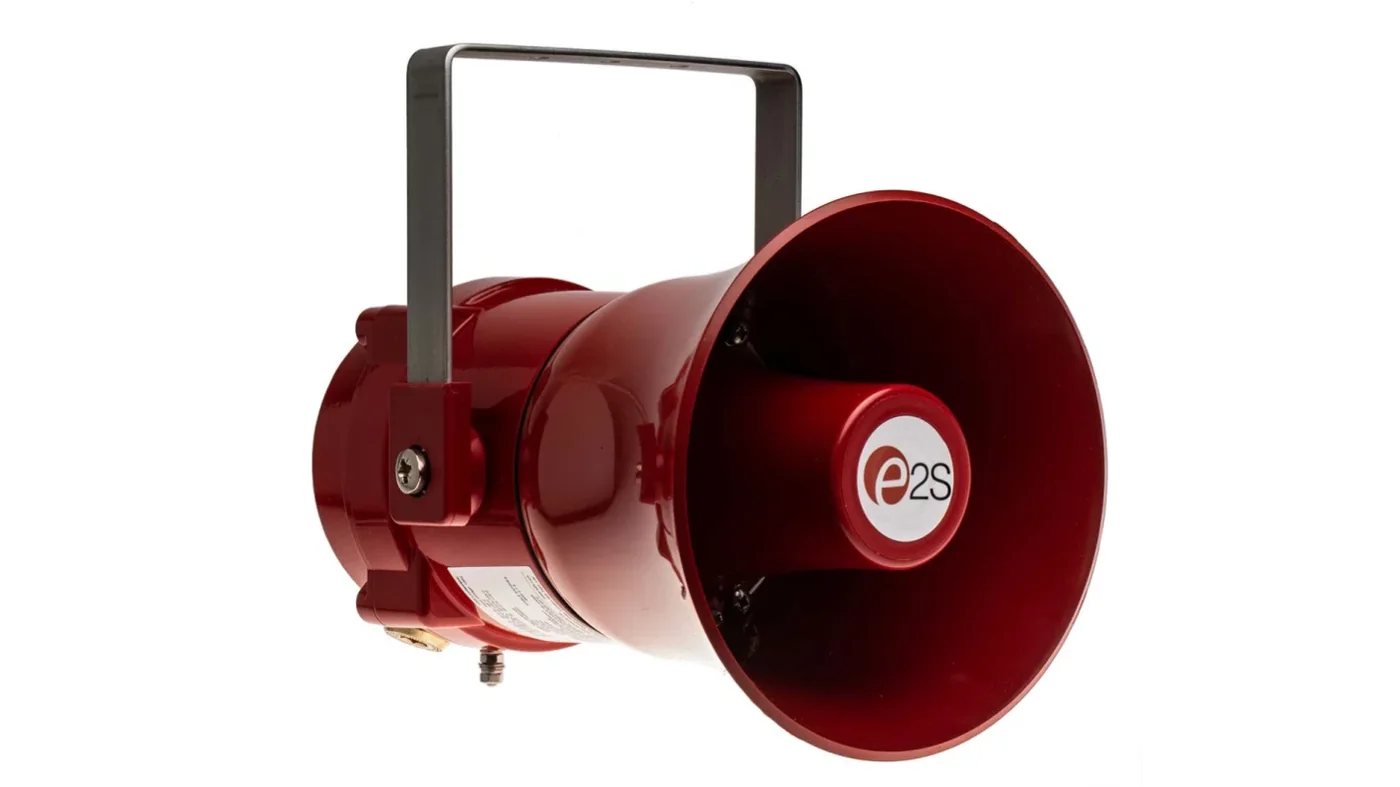
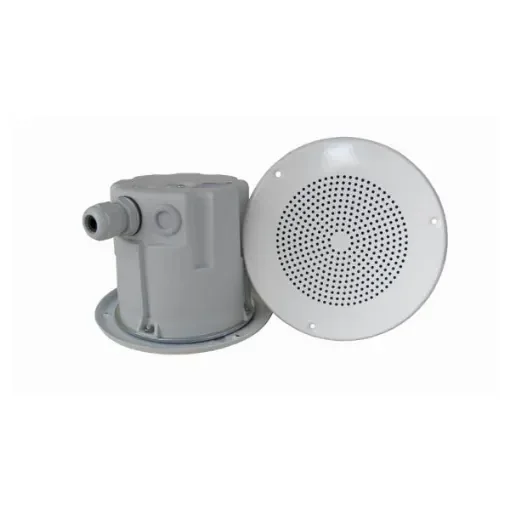
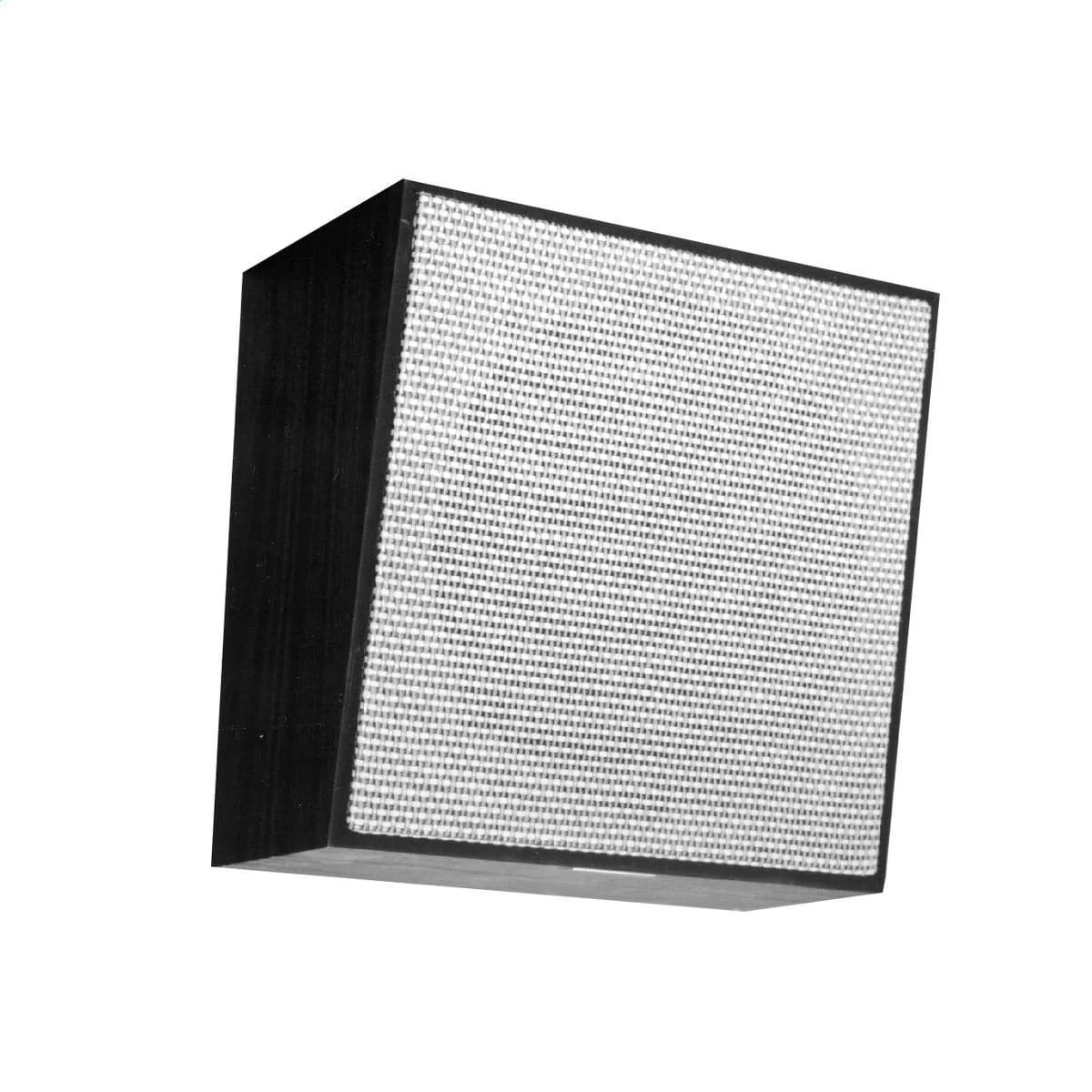
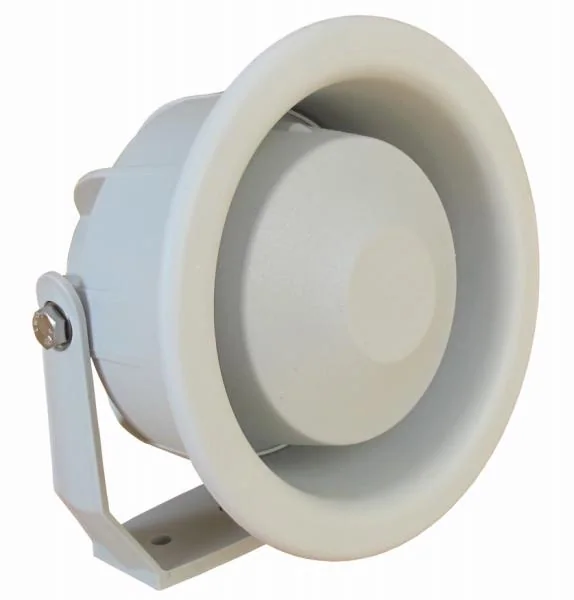
DNH hazardous-area loudspeakers: plastic or die-cast aluminium, globally certified.
DNH explosion-proof loudspeakers are designed, tested and globally certified for use in potentially explosive atmospheres. They come in lightweight plastic or rugged die-cast aluminium, from a maker that has led hazardous-area loudspeaker manufacture for over 60 years.
Globally certified for potentially explosive atmospheres
Lightweight plastic or rugged die-cast aluminium
Over 60 years as world leader in hazardous-area loudspeakers
SelectionBy zone, power, SPL and temperature range
Description
In a classified area a loudspeaker is a problem before it is a solution. It contains a coil
and a magnet, it is driven with a live signal, and its cone moves - so it has to be built and
certified so that it cannot become the ignition source in an atmosphere that may contain
flammable gas, vapour or dust. That is the whole engineering difference between a
hazardous-area loudspeaker and an ordinary weatherproof one, and it is not something an
enclosure added later can provide.
DNH describe their explosion-proof range as rigorously designed, tested and globally
certified for high performance in potentially explosive atmospheres, and they have been doing
it for over 60 years - long enough that the certification portfolio covers most of the zone,
group and temperature-class combinations a project will present. The range is offered in two
materials, and the choice is a real one: lightweight plastic where weight and corrosion matter
more, rugged die-cast aluminium where mechanical abuse does.
Certification is per model, per zone, and it is worth insisting on the detail. A Zone 1
loudspeaker will serve a Zone 2 area, but the reverse is not true, and gas group and
temperature class have to match the hazardous area classification drawing as well. DNH's
recent relaunch of the HP-20EExIIN(T) - a popular Zone 2 model, reissued with updated
ATEX/IECEx certificates and a loop in, loop out design - is a good example of why the
certificate revision matters as much as the model name.
That loop in, loop out arrangement is a practical detail with real consequences. A PAGA
line typically feeds many loudspeakers in series, and looped terminals let the line pass
through each unit cleanly, which keeps line monitoring intact and makes fault-finding a matter
of working along the loop. In a classified area, where opening an enclosure is a
permit-controlled activity, wiring that can be terminated once and left alone is worth paying
for.
Features
Globally certified. Designed and tested for potentially explosive
atmospheres, with certification stated per model.
Two housing materials. Lightweight plastic, or rugged die-cast aluminium
where mechanical protection matters more.
Over 60 years in hazardous areas. DNH's stated position as world leader
in this specific product class.
Loop in, loop out. On current models such as the relaunched
HP-20EExIIN(T), which keeps line monitoring and fault-finding straightforward.
Current ATEX/IECEx certificates. DNH maintain and reissue certification
as the standards move.
Selected against your classification. Zone, gas group and temperature
class taken from the hazardous area drawing.
Part of one PAGA scheme. Drives from the same amplifiers and line
monitoring as the non-classified loudspeakers.
Applications
Specified wherever an alarm or an announcement has to be audible inside a classified
area.
Offshore platforms and FPSOs. Process decks, wellhead areas and turret
spaces.
Refineries and petrochemical plants. Process units, pump rows and
loading gantries.
Tank farms and terminals. Bunds, manifolds and jetty heads.
LNG and gas processing. Liquefaction and storage areas.
Chemical and pharmaceutical plants. Solvent handling and reactor
halls.
Bulk powder and grain handling. Where the classified hazard is
combustible dust rather than gas.
The classification drawing sets the boundary. Certified loudspeakers go where they are
required, and standard weatherproof units are used where they are not, which keeps the cost
of the scheme where it belongs.
Support & Documents
PT Vivo Asia Teknologi Indonesia designs and commissions public address and general
alarm systems rather than simply supplying the parts. Our scope typically covers:
Acoustic coverage study against your layout and measured background noise levels.
Loudspeaker selection, placement, tapping and zone design.
Amplifier, controller and cabling design, including line monitoring where required.
Supply, installation, termination and commissioning.
Intelligibility testing and sign-off against the applicable standard.
Integration with fire and gas detection, ESD and telephone systems.
Operator training, spares provisioning and ongoing maintenance.
Ratings, approvals and acoustic figures vary by model and are confirmed against the
current manufacturer datasheet at quotation stage. Tell us the areas to be covered, the
hazardous-area classification and the noise levels you are working against, and we will
come back with a coverage design and a full bill of materials.
Use the enquiry button above for a datasheet, a specification or a project quotation.

 1 / 3
1 / 3