Jl. M.H. Thamrin Kav 3, Menara Thamrin, Level 3A, Jakarta 10250 +62-2139-8303-03 / +62 857 6344 7043 contact@vivoasia.com
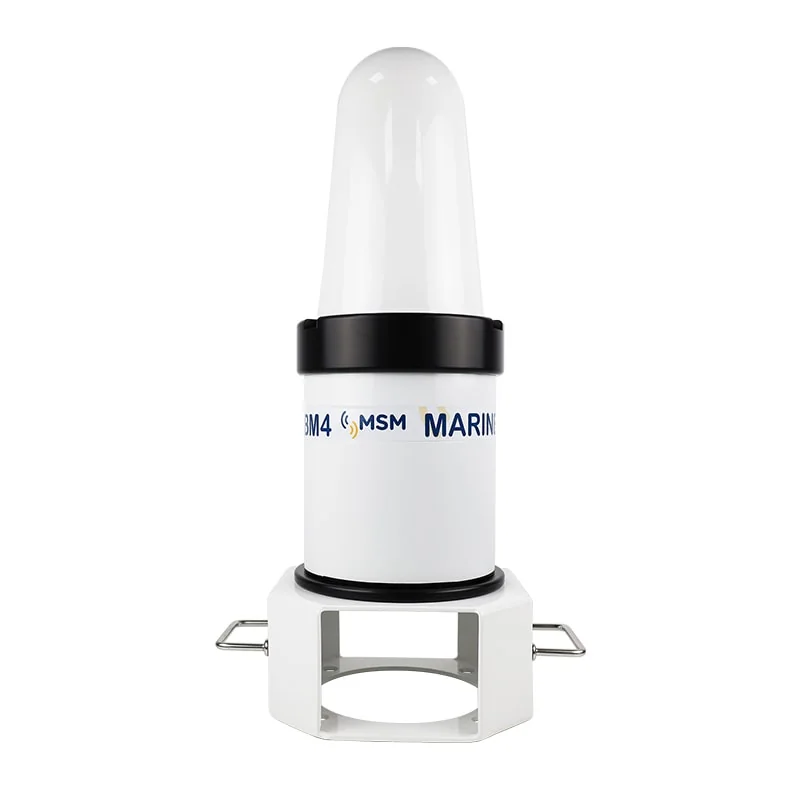
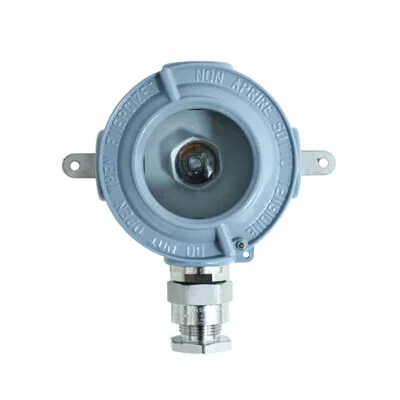
RBM4-Ex ATEX Radar Beacon
Navigation Equipment

RBM4-Ex ATEX Radar Beacon

Frequency-agile racon answering X and S band radars with a programmed Morse code.

The MSM RBM4 is a latest-generation frequency-agile radar beacon working in the marine X and S radar bands. It actively answers every radar in the vicinity with a user-programmed Morse code that identifies the structure on the radar display, in any weather. IP68.

  • Answers all nearby radars with a programmed Morse identifier
  • Frequency-agile, responding on both X and S bands
  • Advanced side-lobe suppression to reject false triggers
SPECIFICATIONS
Type Frequency-agile radar beacon (racon)
Bands X and S, 1 W transmitter power in both
Standards IALA RO101, ITU-R M.824-4, IMO standards
Protection IP68
Configuration RS-232, or PC and Android app

Description

A racon is a radar transponder. It listens for radar pulses and answers them, so instead of appearing as whatever natural echo it happens to return, the structure paints a coded mark on the radar screen of every vessel nearby. The mark is a Morse character, programmed before installation, extending outward from the structure's position - so a navigator does not merely see something, they see which something it is. In poor visibility, in rain, at night, that distinction is the whole value: MSM describe it as providing important information to mariners under whatever meteorological conditions.

Being frequency-agile is what makes a modern racon work reliably. Marine radars do not all transmit on the same frequency within the X and S bands, and an older racon had to sweep its receiver across the band, meaning it only answered a given radar part of the time. A frequency-agile design detects the interrogating frequency and responds on it, so it answers all active radars in the vicinity rather than a statistical sample. The RBM4 responds on both X and S bands with 1 W of transmitter power in each.

Two features address the standing problem with any transponder, which is answering things it should not. An advanced side-lobe suppression system discriminates genuine pulses from the side lobes of a radar's beam - without it, a racon triggered by side lobes paints a smeared or duplicated mark and degrades the very display it exists to clarify. And an inhibition input allows the emission to be suppressed under particular circumstances, which is how a racon is taken off air for work nearby or during a survey without disconnecting it.

The length of the Morse response is set to match the radar display range in use, by programming the duration of the answer according to the pulse length before installation. That is a design decision made with the waterway in mind rather than a field adjustment, so it is worth settling early. Receiver sensitivity is configurable, and configuration is done over an RS-232 serial port or from a PC or an Android app on a tablet or phone - which for a device mounted high on a structure is a meaningful convenience.

MSM design the unit to the IALA RO101 recommendation for marine radar beacons, ITU Recommendation ITU-R M.824-4 covering the technical parameters of racons, and IMO standards. It is rated IP68, protected against reverse polarity and transient overvoltages, accepts a wide supply range, draws little power and is described as maintenance free. MSM's wider offshore range carries ATEX and IECEx Category 2 and Category 3 certification; the exact marking for the racon variant supplied is confirmed against your area classification at quotation rather than assumed here.

Features

  • Frequency-agile. Answers all active radars in the vicinity rather than sweeping and catching some of them.
  • Both bands, 1 W each. Responds on X and S band marine radar.
  • Programmed Morse identity. The structure identifies itself on the radar display, not merely appears on it.
  • Side-lobe suppression. Discriminates genuine pulses, so the mark stays clean.
  • Inhibition input. Emission can be suppressed for nearby work without disconnecting the unit.
  • Response matched to display range. Answer duration programmed against pulse length before installation.
  • IP68. Above the usual IP66 for exposed marine equipment.
  • Configured from a phone. RS-232, or PC and Android app for tablet and mobile.
  • Standards-based. IALA RO101, ITU-R M.824-4 and IMO standards.
  • Maintenance free. With reverse polarity and transient overvoltage protection and a wide supply range.

Applications

Racons mark structures that vessels need to identify positively.

  • Offshore platforms and FPSOs. Identifying the installation and its 500 m zone.
  • Offshore wind farms. Marking the array and its boundaries.
  • Bridges. Marking navigable spans for vessels passing beneath.
  • Buoys and beacons. Where a floating mark must be identified in poor visibility.
  • LNG and terminal approaches. Marking jetty heads and approach channels.
  • Landfall and channel marks. Positive identification during a coastal approach.

Support & Documents

PT Vivo Asia Teknologi Indonesia supplies navigation and nav-aid equipment as part of a designed and commissioned installation. Our scope typically covers:

  • Selection against the applicable IMO, IALA and class requirements for the installation.
  • Siting studies: mounting height, obstruction, sector definition and range.
  • Power and backup design, including solar and battery autonomy where required.
  • Supply, installation, termination and commissioning.
  • Documentation for class, flag or the relevant harbour authority.
  • Periodic inspection, lamp and battery replacement and ongoing maintenance.

Ranges, characters, approvals and electrical details vary by variant and are confirmed against the current manufacturer datasheet at quotation stage. Tell us the structure, the required range and the authority you are reporting to, and we will come back with the right variant and a full bill of materials.

Use the enquiry button above for a datasheet, a specification or a project quotation.

Related products