Jl. M.H. Thamrin Kav 3, Menara Thamrin, Level 3A, Jakarta 10250 +62-2139-8303-03 / +62 857 6344 7043 contact@vivoasia.com
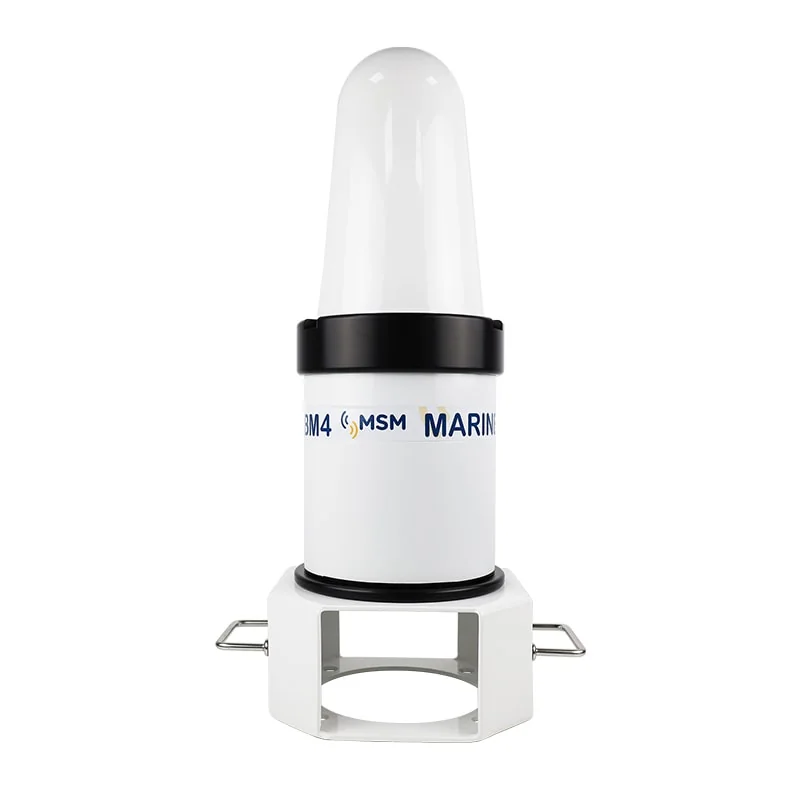
MVS20-Ex Fog Detector
Navigation Equipment

MVS20-Ex Fog Detector

Forward-scatter visibility sensor measuring to 8 km, certified for Zone 1.

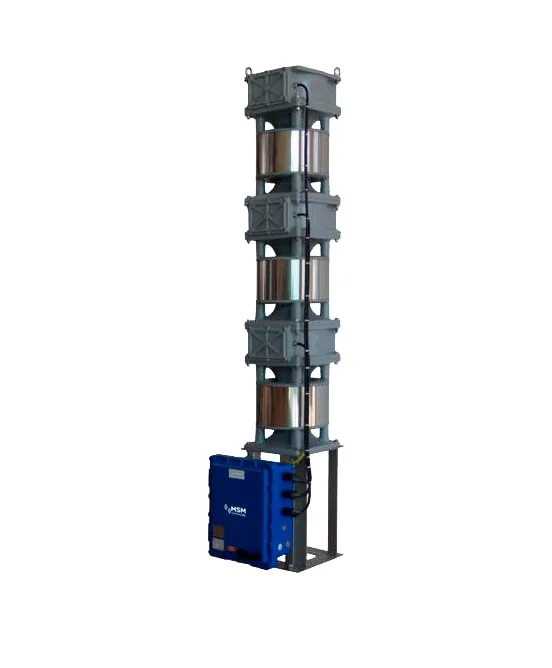
The MSM MVS20-Ex is a visibility sensor for extreme marine conditions, with a selectable measurement range up to 8 km. Its Zone 1 rated housing and marine grade sheathed cables give IP66 performance while it monitors visibility changes from rain, snow, fog, smoke and dust.

  • Selectable measurement range up to 8 km
  • II 2GD Ex d IIB T5/T6, Zone 1 rated housing
  • Heated optics, and unaffected by local lights
SPECIFICATIONS
Type Forward scatter visibility sensor
Range Selectable, up to 8 km
Marking II 2GD Ex d IIB T5/T6, IP66
Detects Dust, fog, rain, drizzle, snow, hail
Standard IALA Recommendation G-1162

Description

Everything else in a navigation aid system depends on knowing the visibility. The fog signal should sound when visibility falls below a threshold and not otherwise; lantern intensity is often stepped by the same measurement. Leaving that to a person is unreliable and, on an unmanned structure, impossible - which is why the visibility sensor is the quiet centre of a navaid installation rather than an accessory to it.

The MVS20-Ex uses a compact forward scatter design. Rather than measuring how much light survives a long path, it shines a beam across a short gap and measures how much is scattered sideways by whatever is in the air. Scatter increases with the density of droplets or particles, so the sensor infers visibility from it. The advantages are that the instrument can be small and self-contained, and that it responds to what is actually in the air at that location rather than needing a distant target. MSM quote a selectable measurement range up to 8 km.

It measures obstruction to vision from dust, fog, rain, drizzle, snow and hail, which is worth reading carefully: this is not a fog detector in the narrow sense but a general visibility instrument, and on an industrial site dust and smoke can reduce visibility as effectively as weather. MSM note it is suitable for petrochemical production sites, refining facilities and transportation terminals as well as marine structures.

Two design details separate an instrument that works from one that appears to. The optical sensor hood is heated, for use in extreme environments - without heating, condensation, frost or salt film on the optics produces exactly the reading a genuine fog would, and the system sounds its horn on a clear day. And the sensor is specified as not affected by local lights, which matters enormously on a platform or a terminal where floodlighting, flares and deck lights are all in view. There is also comprehensive self-test and maintenance data, so a degraded sensor reports itself rather than quietly misinforming everything downstream.

The housing is rated for Zone 1 with the marking II 2GD Ex d IIB T5/T6 - note the GD, which covers dust atmospheres as well as gas - and marine grade sheathed cables maintain IP66 performance in all weather. It is designed according to IALA Recommendation G-1162, and MSM emphasise flexibility to connect to a wide range of data collection and processing units, so it can feed an existing control panel rather than requiring theirs.

Features

  • Up to 8 km, selectable. Measurement range set to the site rather than fixed.
  • Forward scatter design. Compact and self-contained, with no distant target needed.
  • Heated optics. Prevents condensation, frost and salt film being read as fog - the classic false trigger.
  • Not affected by local lights. Essential where floodlights, flares and deck lighting are in view.
  • Zone 1 and dust rated. II 2GD Ex d IIB T5/T6, so gas and dust atmospheres are both covered.
  • IP66 with marine grade cables. Rated performance in all weather conditions.
  • Self-test and maintenance data. A degraded sensor reports itself instead of misinforming the system.
  • Connects to anything. Flexibility to feed a wide range of data collection and processing units.
  • Beyond fog. Measures obstruction from dust, rain, drizzle, snow and hail too.

Applications

Wherever an automatic navaid or process decision depends on visibility.

  • Offshore platforms. Triggering the fog signal and stepping lantern intensity.
  • Offshore wind farms. Visibility input for the array's navaid system.
  • Petrochemical and refining sites. Named by MSM, where dust and smoke matter as much as fog.
  • Transportation terminals. Visibility monitoring for operational decisions.
  • Helidecks. Recorded visibility supporting flight decisions.
  • Unmanned structures. Where no one is present to judge conditions.

Support & Documents

PT Vivo Asia Teknologi Indonesia supplies navigation and nav-aid equipment as part of a designed and commissioned installation. Our scope typically covers:

  • Selection against the applicable IMO, IALA and class requirements for the installation.
  • Siting studies: mounting height, obstruction, sector definition and range.
  • Power and backup design, including solar and battery autonomy where required.
  • Supply, installation, termination and commissioning.
  • Documentation for class, flag or the relevant harbour authority.
  • Periodic inspection, lamp and battery replacement and ongoing maintenance.

Ranges, characters, approvals and electrical details vary by variant and are confirmed against the current manufacturer datasheet at quotation stage. Tell us the structure, the required range and the authority you are reporting to, and we will come back with the right variant and a full bill of materials.

Use the enquiry button above for a datasheet, a specification or a project quotation.

Related products