A navigation aid installation is a set of separate devices - lanterns, a fog signal, a
racon, a visibility sensor, a photocell - that have to behave as one system. The control panel
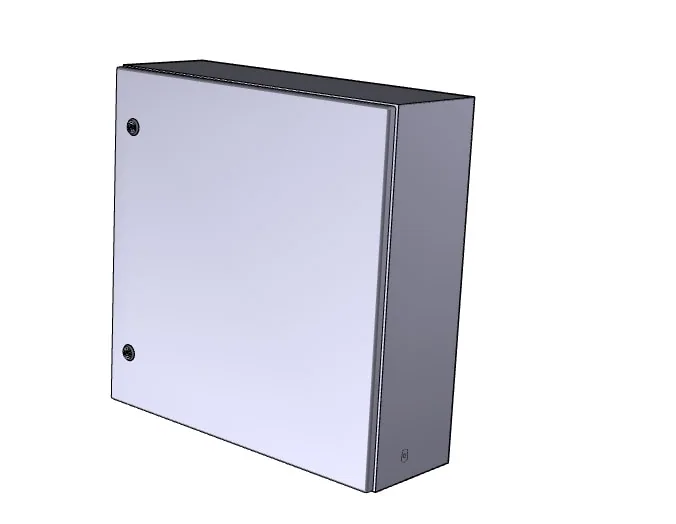
is what makes them one: it distributes power to each aid, decides when they operate, protects
them, and reports what they are doing. On an unmanned structure it is the only thing that knows
the state of the installation.
MSM design and build their own panels, and they are explicit that the range exists because
projects differ - configurations run from a simple system with a single main lantern up to a
complete arrangement of visual and audible aids. That is the right way round. A panel sized and
configured for the actual aid schedule is a straightforward piece of equipment; a generic panel
adapted on site is where commissioning problems come from.
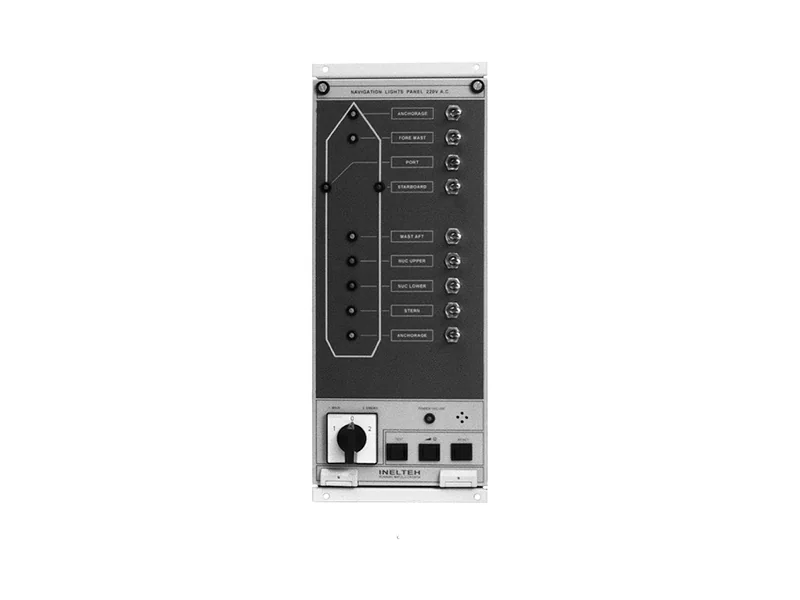
The control logic is deliberately simple and worth understanding. There is a manual on/off
switch plus an automatic selector, so the aids can be forced on for testing or maintenance and
returned to automatic afterwards. Automatic operation is driven by an internal main photocell,
with an astronomic clock with GPS and a synchronisation module available as options. The
astronomic clock computes true dusk and dawn from date and position rather than relying on
measured light, and the sync module is what makes several lanterns flash in step - which for an
array of aids marking one structure is how they read as a single mark rather than a confusion
of lights. The panel can also receive beacon test commands, so the aids can be exercised
remotely rather than by attending.
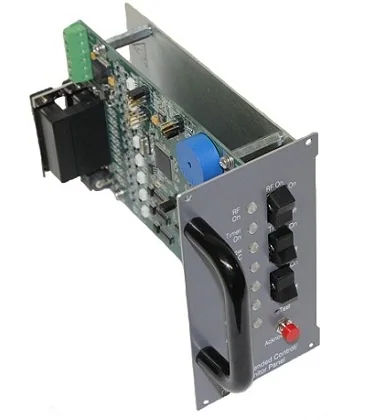
Electrically it provides terminals and protections for the power supply and each output,
with protection against reverse polarity, overvoltage and short circuit, and a DC-DC or AC-DC
converter to suit the supply available. Power connectors and quick-connection control reduce
the amount of terminating done in the field, which on an offshore installation is time in a
difficult place.
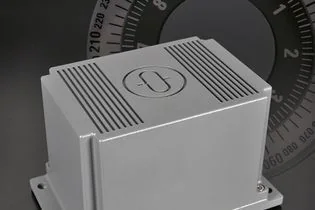
The construction detail that matters most is the least visible. These are specified for the
worst marine weather, with rain, snow or sea water present, and rated IP66 - but MSM also apply
internal anti-condensation painting. Condensation inside an outdoor enclosure is the standing
cause of corroded terminals and intermittent faults on marine installations: the panel is
sealed, so moist air that entered when it was open cannot leave, and it condenses on the
coldest internal surface every night. Treating the inside is what stops that becoming a fault
years later. Enclosures are stainless steel as standard, or polyester on request, and reporting
is by digital output to SCADA, RS232 or RS485, so the installation's state reaches the control
room instead of staying at the panel door.