Ambient light measurement, so navigation aids switch and dim on their own.
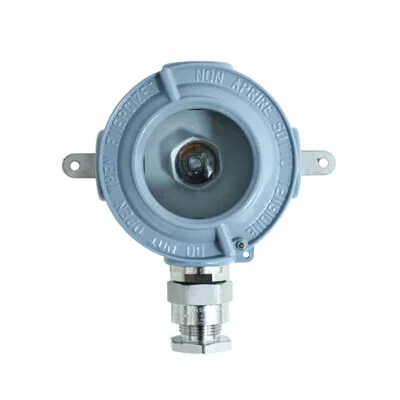
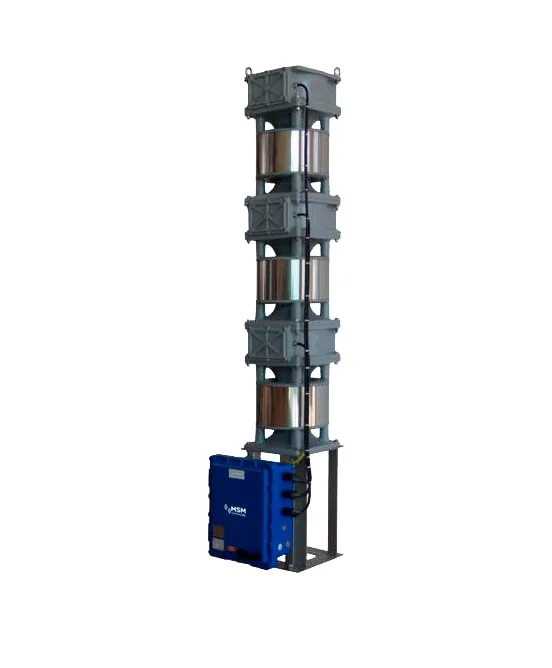
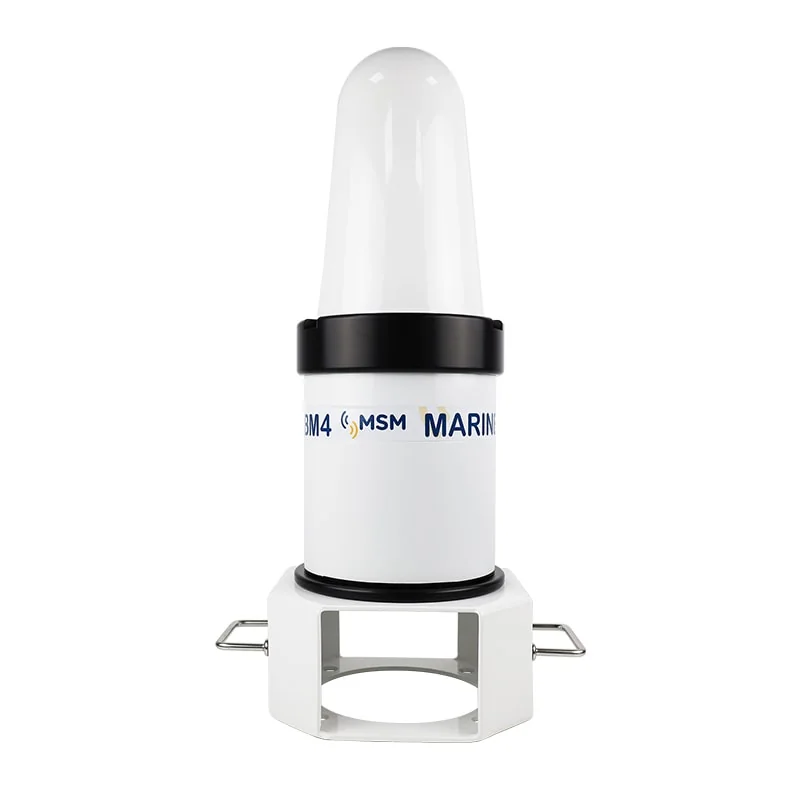
A brightness transmitter measures ambient light level and provides the signal that switches navigation aids on at dusk and off at dawn, and steps lantern intensity between day and night settings. It is the input that makes an unmanned navaid installation autonomous.
Switches navaids at dusk and dawn without intervention
Provides the day and night intensity step for lanterns
Specified for the exposure and classification of its position
ProvidesSwitching threshold and intensity step signal
MountingExposed position with a clear view of the sky
CertificationBy zone where the position is classified
DetailsModel and ratings confirmed at quotation
Description
Navigation aids are required to show at night and not to waste power by day. The brightness
transmitter - a photocell, in plainer language - is what makes that happen without anyone
being present. It measures ambient light and provides the threshold signal that brings the
lanterns on at dusk, takes them off at dawn, and on most installations steps the lantern
between its day and night intensity settings.
It sounds trivial and it is the component that most often causes trouble, for reasons that
are all about siting. A photocell has to see the sky and nothing else. Point it where a flare
stack, a floodlight, a passing crane or the structure's own deck lighting falls on it, and it
reads artificial light as dawn and switches the aids off in the dark. Site it where salt film,
guano or dust accumulates on the window and it never sees dawn at all, leaving the lanterns
burning by day and quietly draining a battery bank designed around night-only operation.
Neither failure announces itself.
Because of that, most serious navaid control schemes back the photocell up rather than
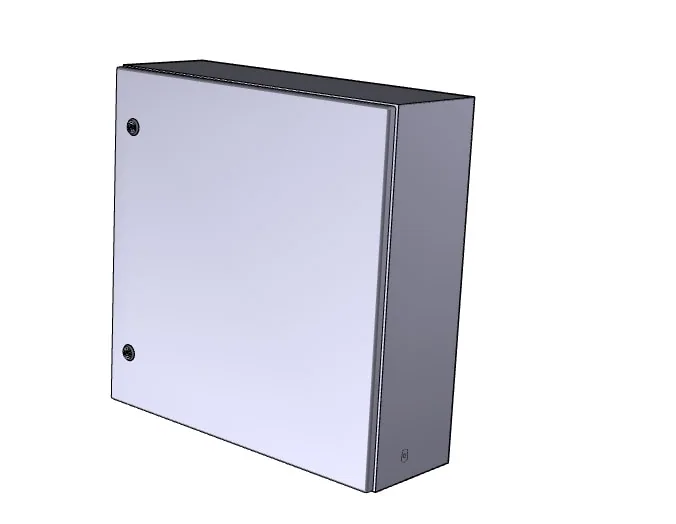
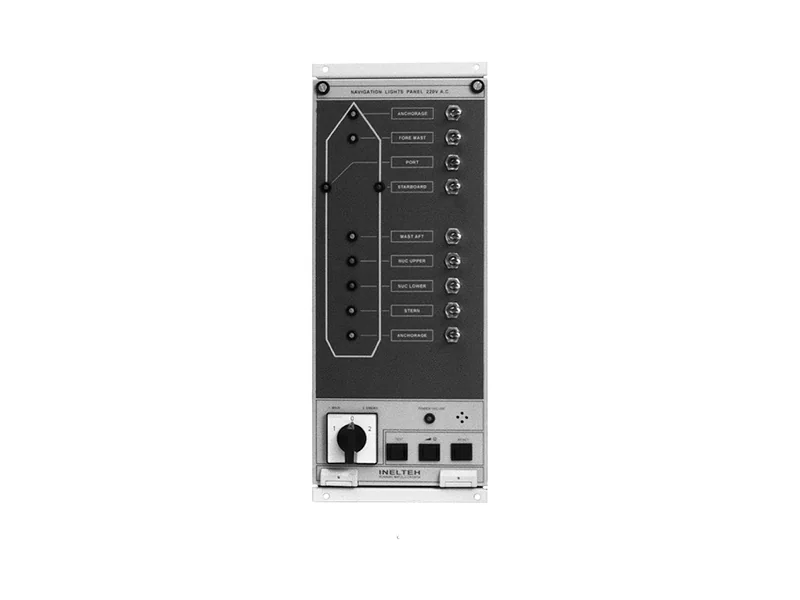
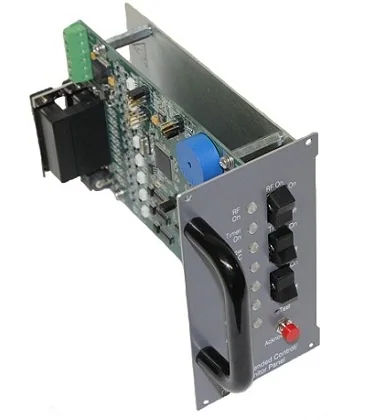
trusting it alone. MSM's own approach on their central control panel is instructive: the panel
carries an internal main photocell, with an astronomic clock with GPS available as an option.
An astronomic clock computes sunrise and sunset from the date and the GPS position, so it knows
when dusk should be regardless of what the photocell sees. Where both are fitted, a
disagreement between them is itself useful information.
MSM Offshore build this equipment as part of complete turnkey NAVAIDs systems for
potentially explosive environments, designed according to IALA G-1162 and ICAO Annex 14
recommendations, with ATEX and IECEx certification in Category 2 and Category 3 across their
range. Which specific unit suits a position depends on the exposure, the mounting available
and whether the location is classified - so we confirm the model and its ratings against your
drawings at quotation rather than quoting figures here.
Features
Automatic dusk and dawn switching. Removes any need for someone to be
present to operate the aids.
Day and night intensity step. Provides the signal that changes lantern
output between settings.
Sited to see only sky. Position matters more than specification -
artificial light causes false daylight.
Backed by an astronomic clock. MSM offer a GPS astronomic clock option
that computes true dusk from date and position.
Part of a turnkey system. Supplied within a NAVAIDs scheme designed to
IALA G-1162 and ICAO Annex 14.
Certified variants available. MSM's range carries ATEX and IECEx Category
2 and Category 3 certification.
Power budget implications. A failed photocell burns a battery bank sized
for night-only operation.
Applications
Every unmanned or automatic navaid installation needs one.
Offshore platforms. Controlling main and secondary lanterns.
Offshore wind farms. Switching aids across an array.
Bridges. Span and pier lighting on automatic control.
LNG and onshore terminals. Jetty and approach marking.
Unmanned structures. Where autonomy is the whole requirement.
Solar and battery installations. Where switching accuracy directly
affects autonomy.
Support & Documents
PT Vivo Asia Teknologi Indonesia supplies navigation and nav-aid equipment as part of a
designed and commissioned installation. Our scope typically covers:
Selection against the applicable IMO, IALA and class requirements for the installation.
Siting studies: mounting height, obstruction, sector definition and range.
Power and backup design, including solar and battery autonomy where required.
Supply, installation, termination and commissioning.
Documentation for class, flag or the relevant harbour authority.
Periodic inspection, lamp and battery replacement and ongoing maintenance.
Ranges, characters, approvals and electrical details vary by variant and are confirmed
against the current manufacturer datasheet at quotation stage. Tell us the structure, the
required range and the authority you are reporting to, and we will come back with the
right variant and a full bill of materials.
Use the enquiry button above for a datasheet, a specification or a project quotation.