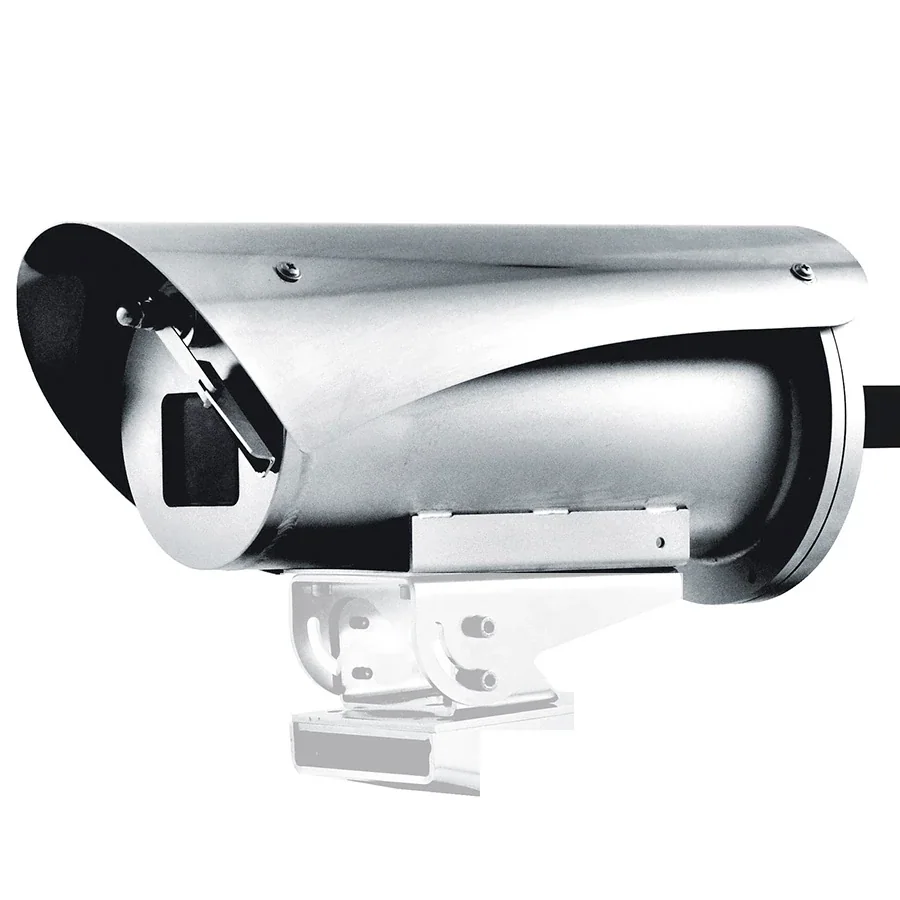
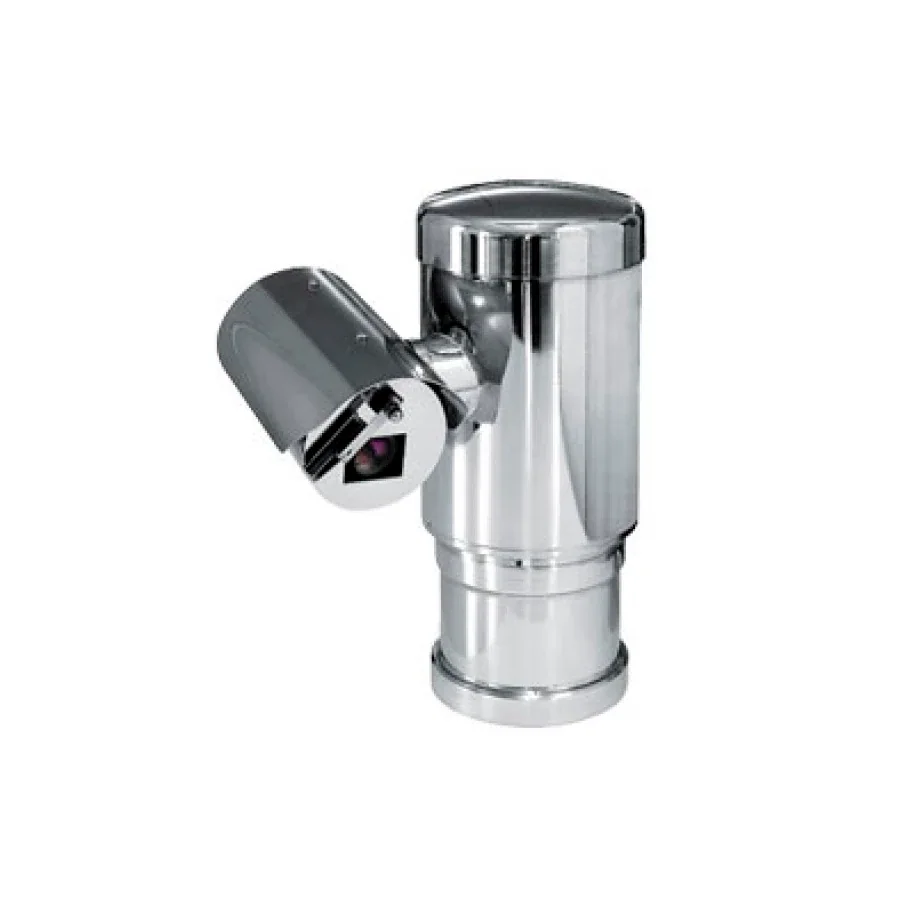
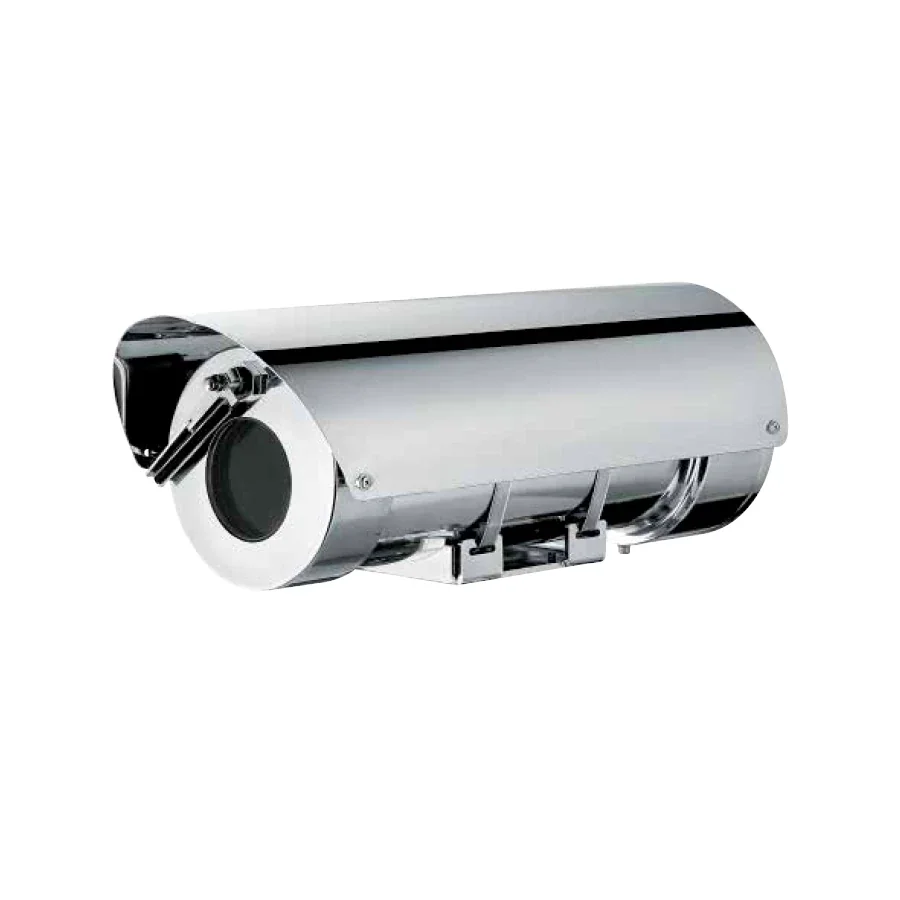
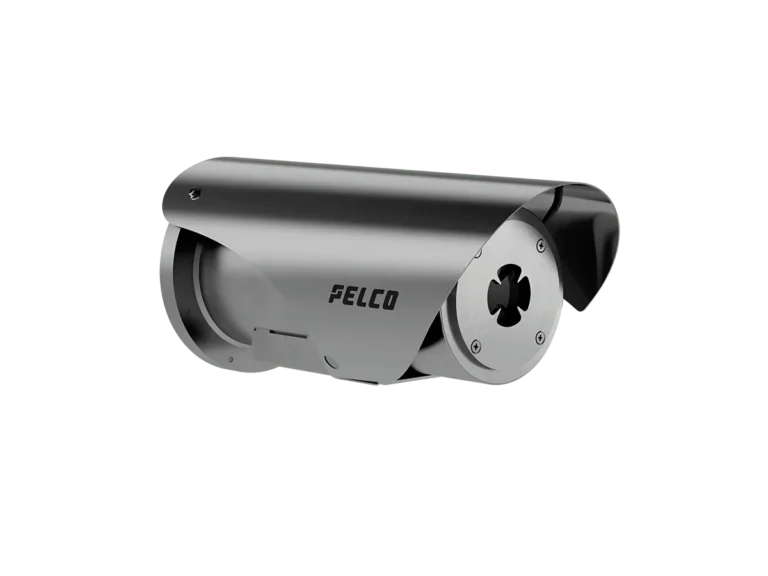
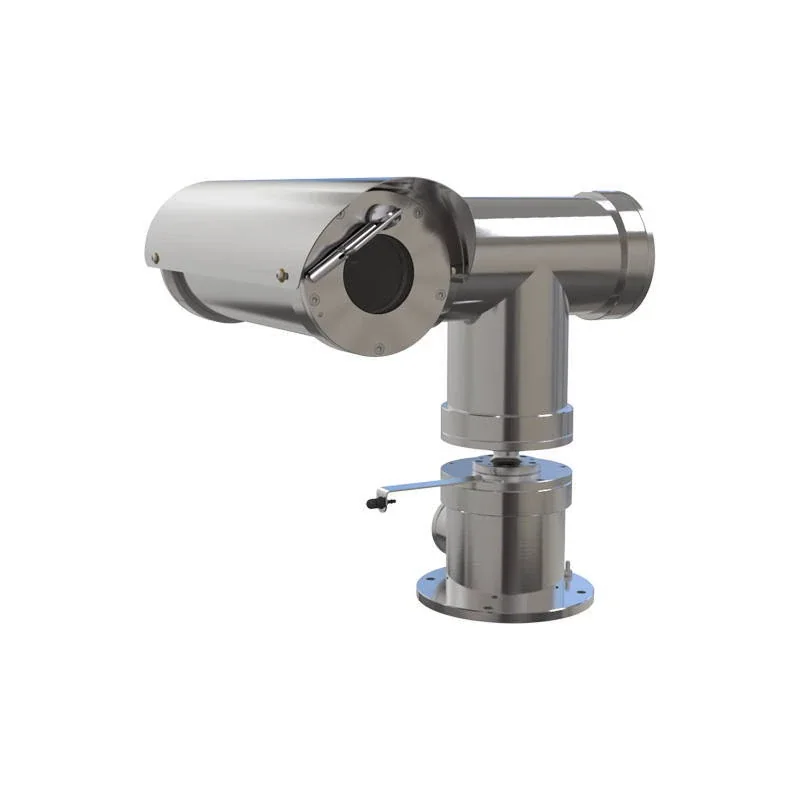
ExSite Enhanced and Pro: explosion-proof PTZ and bullet cameras for hazardous areas.
Pelco’s ExSite Enhanced and ExSite Pro ranges are explosion-proof PTZ and bullet camera systems, purpose-built for hazardous locations where the explosion risk comes from flammable liquids, gases or dust.
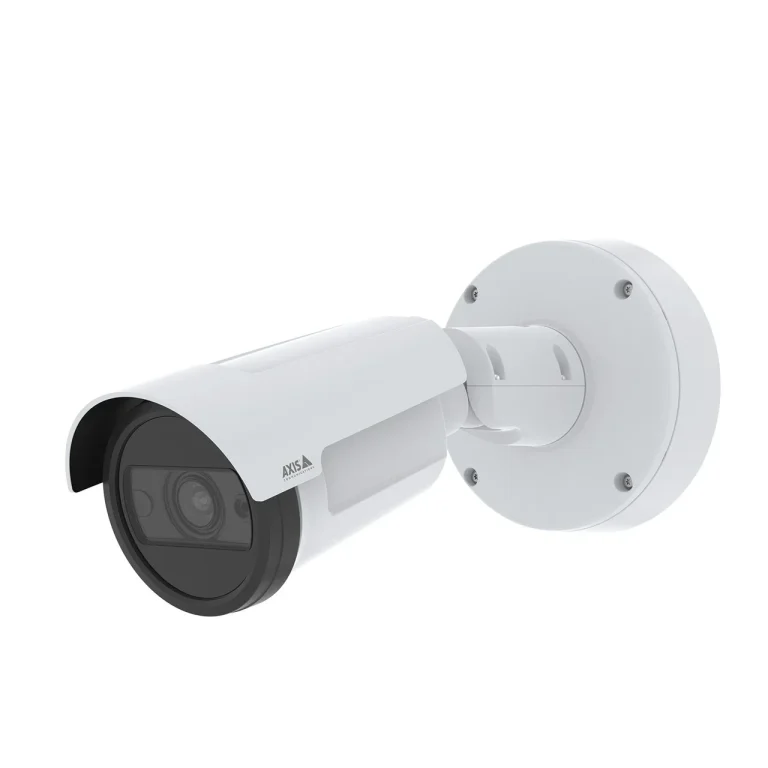
PTZ and bullet camera systems, both explosion-proof
For risks from flammable liquids, gases or dust
Built for chemical plants, refineries and industrial zones
CertificationBy zone and gas group, confirmed per variant
Description
An explosion-proof camera exists for one reason: where flammable gas, vapour or dust may
be present, ordinary electrical equipment is a potential ignition source. A camera contains
powered electronics, so in a classified area it cannot simply be put in a weatherproof box.
The certified enclosure is engineered so that if an internal fault ignites something that has
entered it, the flame is contained and cooled on its way out and cannot propagate to the
atmosphere outside.
Pelco cover this with two ranges, ExSite Enhanced and ExSite Pro, and they are worth
distinguishing by form rather than by name: the range includes both PTZ systems, for looking
around a large process area from one position, and bullet systems, for a fixed scene such as a
boundary or an access point. Which you need is a design question, and most sites end up with
both - the bullet cameras hold the scenes that must always be covered, the PTZ gives an
operator something to investigate with.
Note that Pelco name dust alongside flammable liquids and gases. That matters because dust
atmospheres are easy to overlook: grain, sugar, flour, coal and many process powders form
explosive atmospheres, and a site that has no gas hazard at all may still be classified. The
zone, the group and the temperature class all come from the site's hazardous area
classification drawing, and a camera certified for one combination is not automatically
acceptable in another. That drawing is the first thing we ask for.
These cameras are built for continuous duty in the places that are hardest on equipment -
Pelco cite chemical plants, oil refineries and industrial zones - and they still behave as
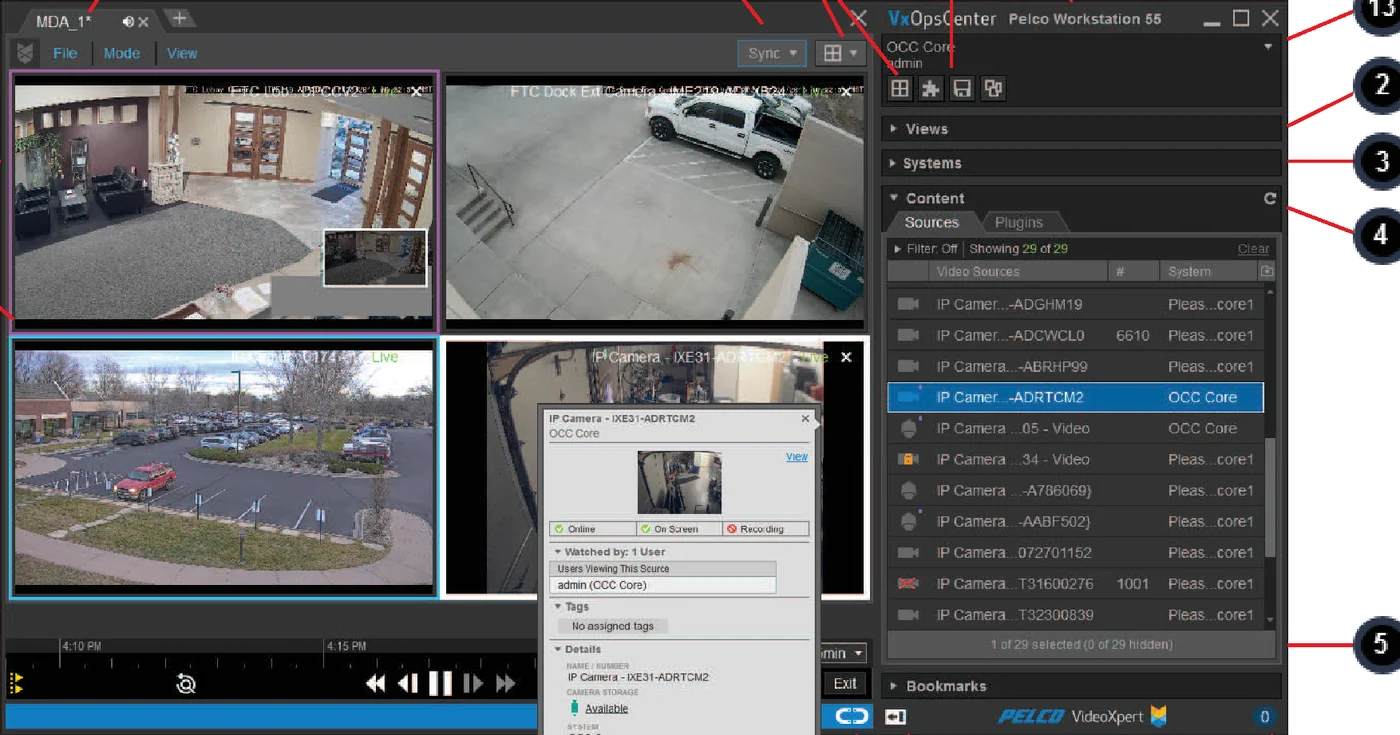
ordinary IP cameras on the network, recording into the same VMS as the non-classified
cameras. The engineering premium is in the enclosure, the certification and the cable
entries, not in how the operator uses the picture.
Features
PTZ and bullet, both explosion-proof. One position that can look
around, or a fixed scene that never moves - usually both on the same site.
Rated for liquids, gases or dust. Dust atmospheres are classified too,
and are the ones most often missed.
ExSite Enhanced and ExSite Pro. Pelco's purpose-built hazardous-location
ranges rather than a standard camera in a bought-in housing.
Continuous duty. Specified for 24/7 coverage in the environments that
are hardest on equipment.
Matched to your classification. Zone, group and temperature class taken
from the site's hazardous area classification, not assumed.
Same VMS as everything else. Records alongside the non-classified
cameras rather than forming a separate system.
Applications
Specified wherever surveillance is needed inside a classified area.
Refineries and petrochemical plants. Named by Pelco as a primary
application; process units, pump rows and loading gantries.
Chemical plants. Solvent handling and reactor areas.
Offshore platforms and FPSOs. Process decks, wellheads and turret
areas.
Tank farms and terminals. Bunds, manifolds and jetty heads.
LNG and gas processing. Liquefaction trains and storage.
Grain, sugar and bulk powder handling. Where the classified hazard is
combustible dust.
The boundary between classified and non-classified areas is where the equipment schedule
changes. We work from the classification drawing so certified cameras go where they are
required and standard weatherproof units are used where they are not.
Support & Documents
PT Vivo Asia Teknologi Indonesia supplies surveillance equipment as part of a designed
and commissioned system rather than as a boxed item. Our scope typically covers:
Site survey, camera placement and field-of-view study against your actual site.
System design, including transmission, power, recording capacity and mounting.
Supply, installation, termination and commissioning.
Integration with your VMS, access control and PAGA or alarm systems.
Analytics configuration and tuning to bring false alarms down to a workable level.
Operator and maintainer training, with ongoing maintenance and support.
Optical, electrical and approval details vary by variant and are confirmed against the
current manufacturer datasheet at quotation stage. Tell us the area to be covered, the
detection distance you need and the site conditions, and we will come back with the right
variant and a full bill of materials.
Use the enquiry button above for a datasheet, a specification or a project quotation.

 1 / 4
1 / 4