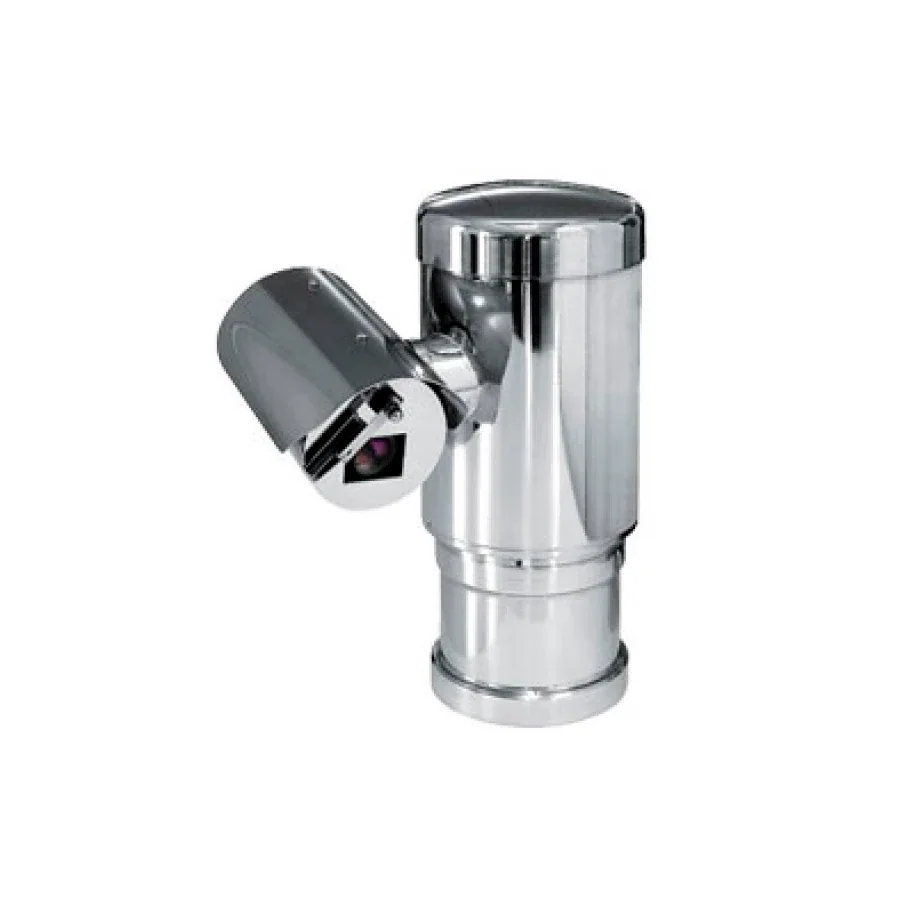
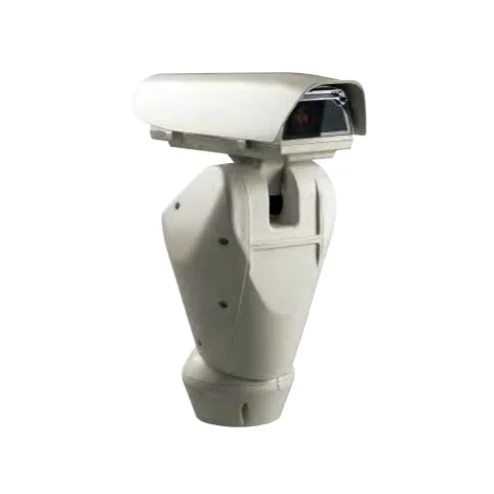
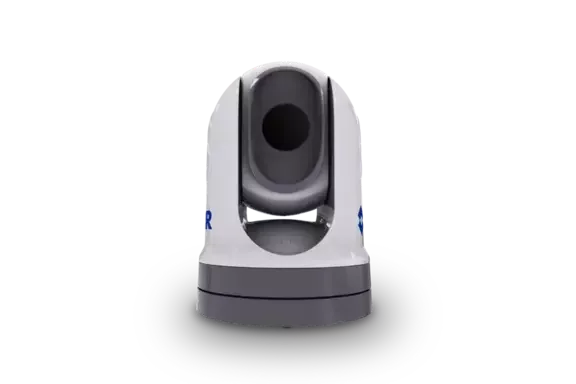
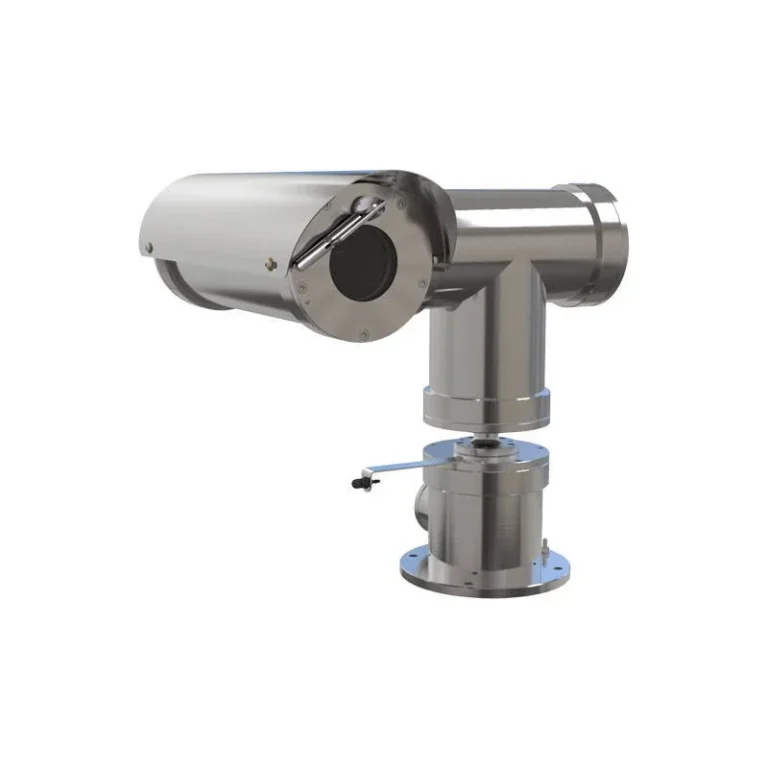
Powerful zoom and precision movement, for wide-area awareness from one position.
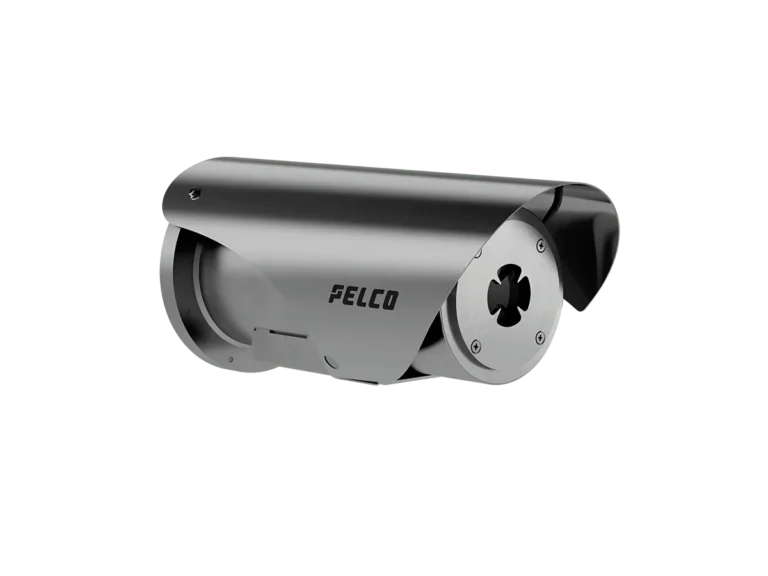
Pelco PTZ cameras combine powerful zoom, precision movement and advanced analytics to give real-time visibility across complex or wide-area environments from a single mounting position.
One position covers ground that would need several fixed cameras
A PTZ camera adds a motorised head and a zoom lens to an otherwise ordinary camera. The
operator, or the system, can rotate, tilt and zoom it, so a single position on a mast or a
building corner can survey ground that would otherwise need several fixed cameras, and then
zoom in far enough to read a marking or recognise a face at a distance no fixed lens would
manage. Pelco describe the combination as powerful zoom, precision movement and advanced
analytics, and position it for complex or expansive environments.
That flexibility is worth most when there is someone or something to drive it. A PTZ can
run a preset tour, moving between defined views on a timer, and it can be pointed
automatically at the position associated with an alarm, so an intrusion detected elsewhere
immediately brings up a close view. Used that way, a PTZ is an investigation tool sitting on
top of a detection layer.
Used as the detection layer itself it disappoints, and this is worth being blunt about.
While a PTZ is looking east it is not looking west, and a camera parked off its preset is
covering nothing anyone expects. Analytics rules drawn against one view do not hold when the
view changes. Designs that rely on a PTZ to watch a perimeter tend to fail quietly, and the
fix is a layer of fixed or thermal cameras for detection with the PTZ for looking.
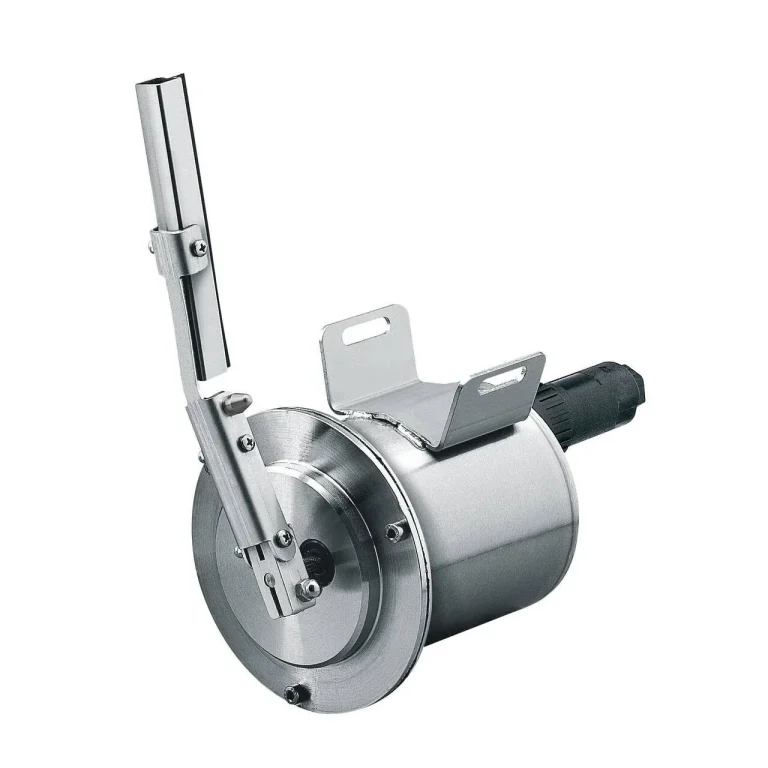
The mechanism has consequences for siting and maintenance. Motors, gears and slip rings
are wear items, and the head has to cope with wind loading and, offshore, with salt and
vibration. Mounting height and a clear line of sight matter more than for a fixed camera,
because the whole point is being able to look anywhere from that one position.
Features
Wide area from one position. Pan and tilt cover ground that would
otherwise need several cameras and several cable runs.
Powerful zoom. Closes in for recognition and identification at
distances a fixed lens cannot serve.
Precision movement. Repeatable positioning, which is what makes presets
and tours dependable.
Alarm-driven positioning. Can be sent automatically to the view
associated with a detection.
Explosion-proof PTZ available. Pelco's ExSite ranges include PTZ
systems for classified areas.
Pairs with fixed and thermal. Designed to sit on top of a detection
layer, not replace it.
Applications
PTZ cameras earn their place where there is area to cover and someone to look.
Manned control rooms. Where an operator can follow and investigate an
incident.
Large yards and open areas. Container terminals, laydown yards and car
parks.
Quaysides and harbour approaches. Vessel movements and berthing.
Perimeter investigation. Driven automatically to an alarm raised by
thermal or fixed cameras.
Crane and lifting operations. Following a load or a blind lift.
Flare and stack monitoring. A distant, elevated target that needs zoom
to be useful.
We would normally specify PTZ alongside fixed or thermal detection rather than instead of
it, so nothing depends on where the camera happens to be pointing.
Support & Documents
PT Vivo Asia Teknologi Indonesia supplies surveillance equipment as part of a designed
and commissioned system rather than as a boxed item. Our scope typically covers:
Site survey, camera placement and field-of-view study against your actual site.
System design, including transmission, power, recording capacity and mounting.
Supply, installation, termination and commissioning.
Integration with your VMS, access control and PAGA or alarm systems.
Analytics configuration and tuning to bring false alarms down to a workable level.
Operator and maintainer training, with ongoing maintenance and support.
Optical, electrical and approval details vary by variant and are confirmed against the
current manufacturer datasheet at quotation stage. Tell us the area to be covered, the
detection distance you need and the site conditions, and we will come back with the right
variant and a full bill of materials.
Use the enquiry button above for a datasheet, a specification or a project quotation.

 1 / 3
1 / 3