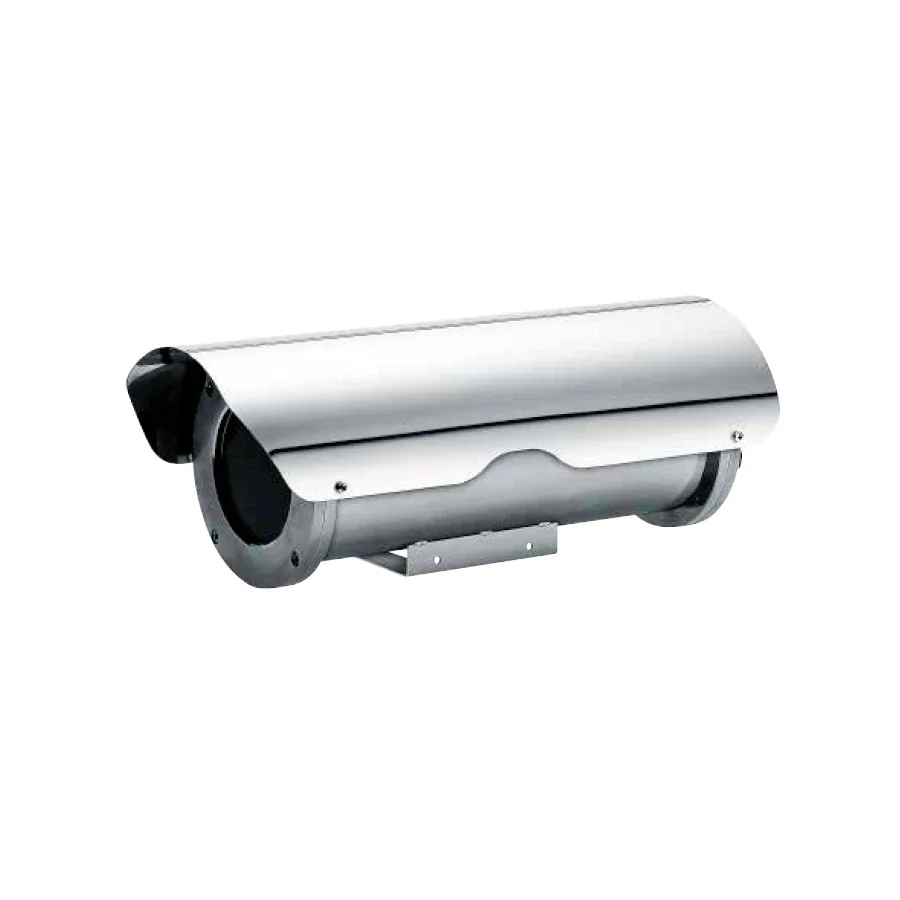
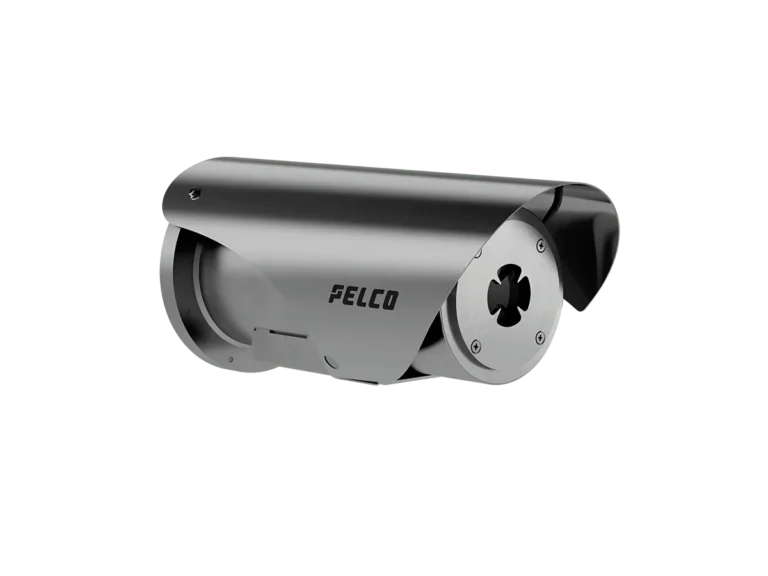
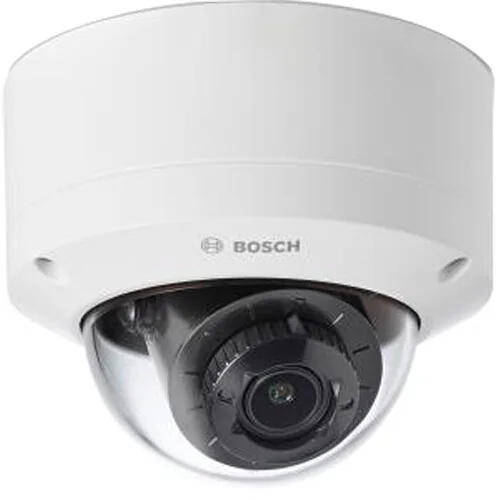
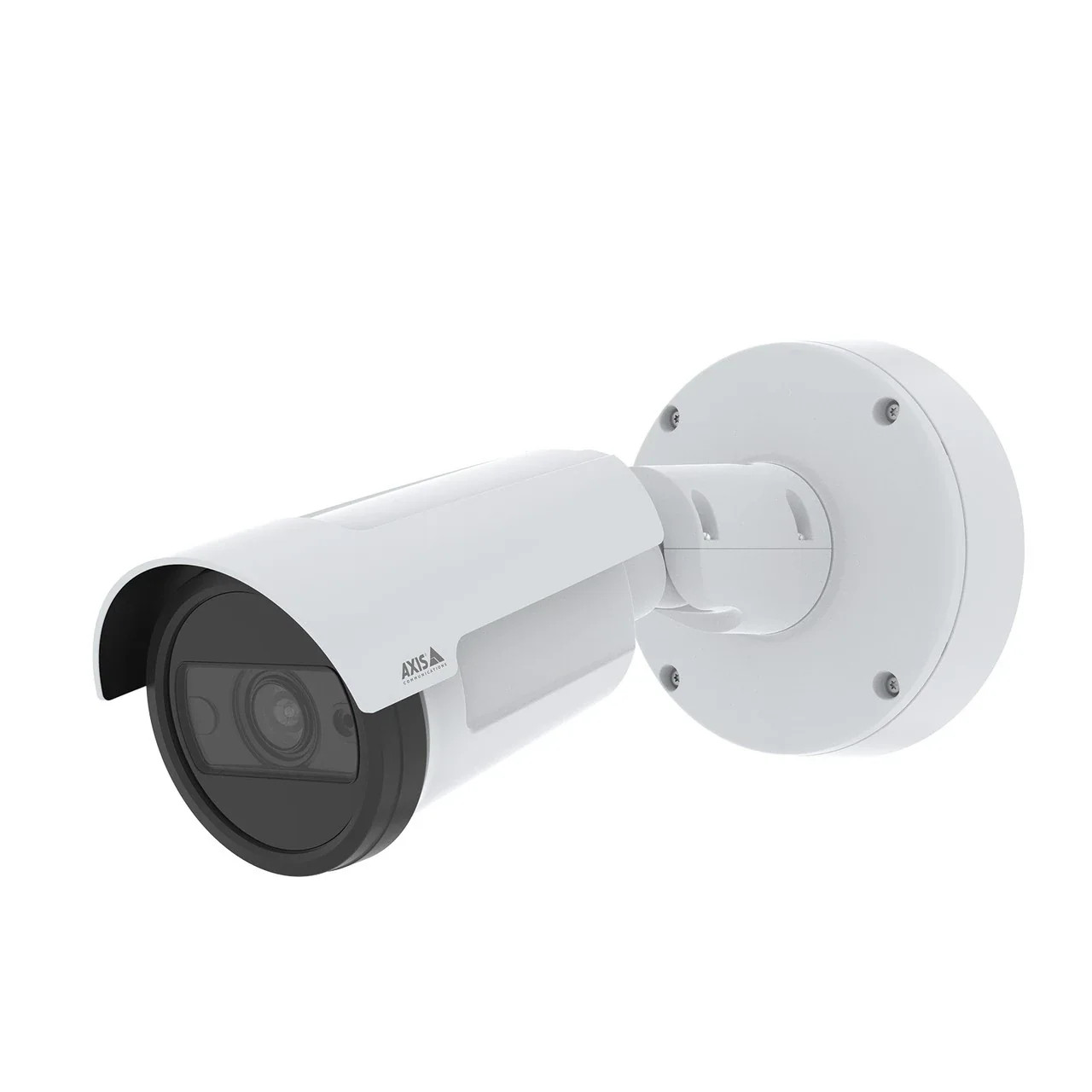
A camera on one scene, which is what video analytics need to work reliably.
A fixed camera looks at one scene and keeps looking at it. The field of view is set at commissioning and does not move, which makes the picture predictable and gives video analytics the stable frame they depend on.
A field of view that cannot be left pointing the wrong way
The stable frame that tripwire and zone analytics need
Fewer moving parts than a PTZ, so less to maintain
A fixed camera has no pan, tilt or zoom mechanism. Its lens and aim are chosen for a
particular scene at commissioning and then stay there. That sounds like a limitation and is
often an advantage, because the two most common complaints about site CCTV are that the camera
was pointing somewhere else when it mattered, and that the recorded scene is not the one
anybody expected.
The stable frame is also what makes analytics work. A tripwire rule, an intrusion zone or
a loitering rule is drawn against a specific image. If the camera can move, every rule has to
be re-established for each preset, and a camera left off-preset silently stops detecting. On a
fixed camera the rule is drawn once against a frame that will not change, which is why
alarm-driven, unattended monitoring is usually built on fixed cameras and why a PTZ tends to
be used for looking rather than for detecting.
Selecting the lens is the real design work. The same camera can be a wide-angle overview
or a narrow, long-range view, and the choice determines the distance at which you can detect
that something is there, recognise what it is, and identify who it is. Those are three
different distances, and specifying against the wrong one is the usual reason a camera
disappoints. A field-of-view study against your actual site is how we settle it.
Mechanically there is less to go wrong. No motors, gears or slip rings means fewer wear
items on an exposed mast or a jetty head, which matters when access for maintenance is by boat
or by permit. Where a scene genuinely needs following, the usual answer is a fixed camera for
detection and recording plus a PTZ for the operator to investigate with.
Features
A scene that never moves. Removes the risk of a camera left facing away
from what it was installed to watch.
Built for analytics. A constant frame keeps tripwire and intrusion-zone
rules calibrated, which is what keeps false alarms manageable.
Lens matched to the task. Wide for overview or narrow for distance,
selected against detect, recognise and identify ranges.
Fewer wear items. No pan, tilt or zoom mechanism to maintain on an
exposed or hard-to-reach position.
Consistent evidence. Every recording of that scene is framed the same
way, which makes review and comparison straightforward.
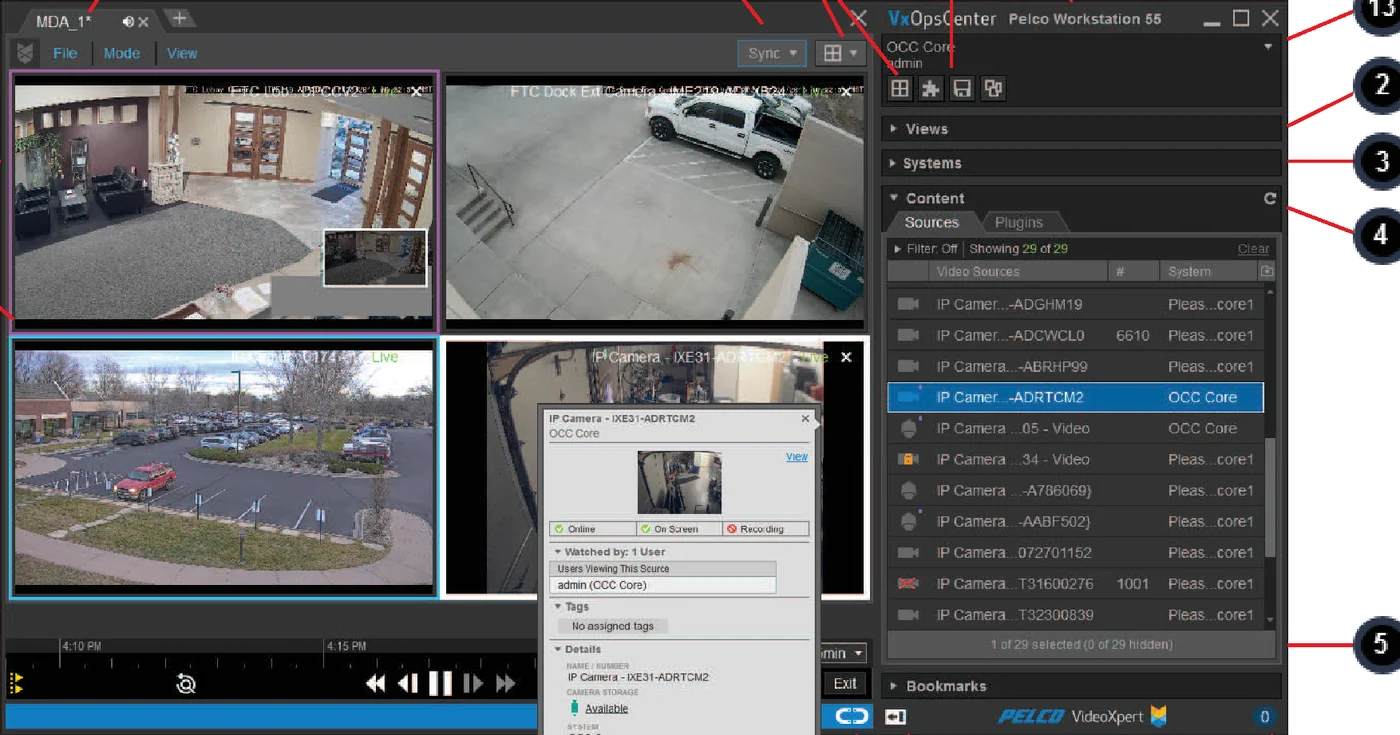
ONVIF-conformant. Integrates with the VMS you already run.
Applications
Fixed cameras carry most of the detection and recording load on an industrial site.
Perimeters and fence lines. The standard choice for tripwire detection
along a boundary.
Gates, doors and access points. Where a consistent, comparable image of
everyone passing is the point.
Process areas and plant. Watching a specific vessel, pump row or
conveyor.
Jetties and loading racks. Fixed scenes at positions awkward to reach
for maintenance.
Helidecks and laydown areas. Operational monitoring of a defined
space.
Traffic and weighbridges. Where the vehicle always presents in the same
place.
Support & Documents
PT Vivo Asia Teknologi Indonesia supplies surveillance equipment as part of a designed
and commissioned system rather than as a boxed item. Our scope typically covers:
Site survey, camera placement and field-of-view study against your actual site.
System design, including transmission, power, recording capacity and mounting.
Supply, installation, termination and commissioning.
Integration with your VMS, access control and PAGA or alarm systems.
Analytics configuration and tuning to bring false alarms down to a workable level.
Operator and maintainer training, with ongoing maintenance and support.
Optical, electrical and approval details vary by variant and are confirmed against the
current manufacturer datasheet at quotation stage. Tell us the area to be covered, the
detection distance you need and the site conditions, and we will come back with the right
variant and a full bill of materials.
Use the enquiry button above for a datasheet, a specification or a project quotation.

 1 / 3
1 / 3