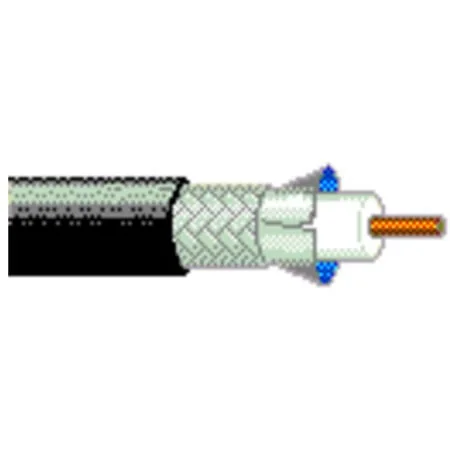
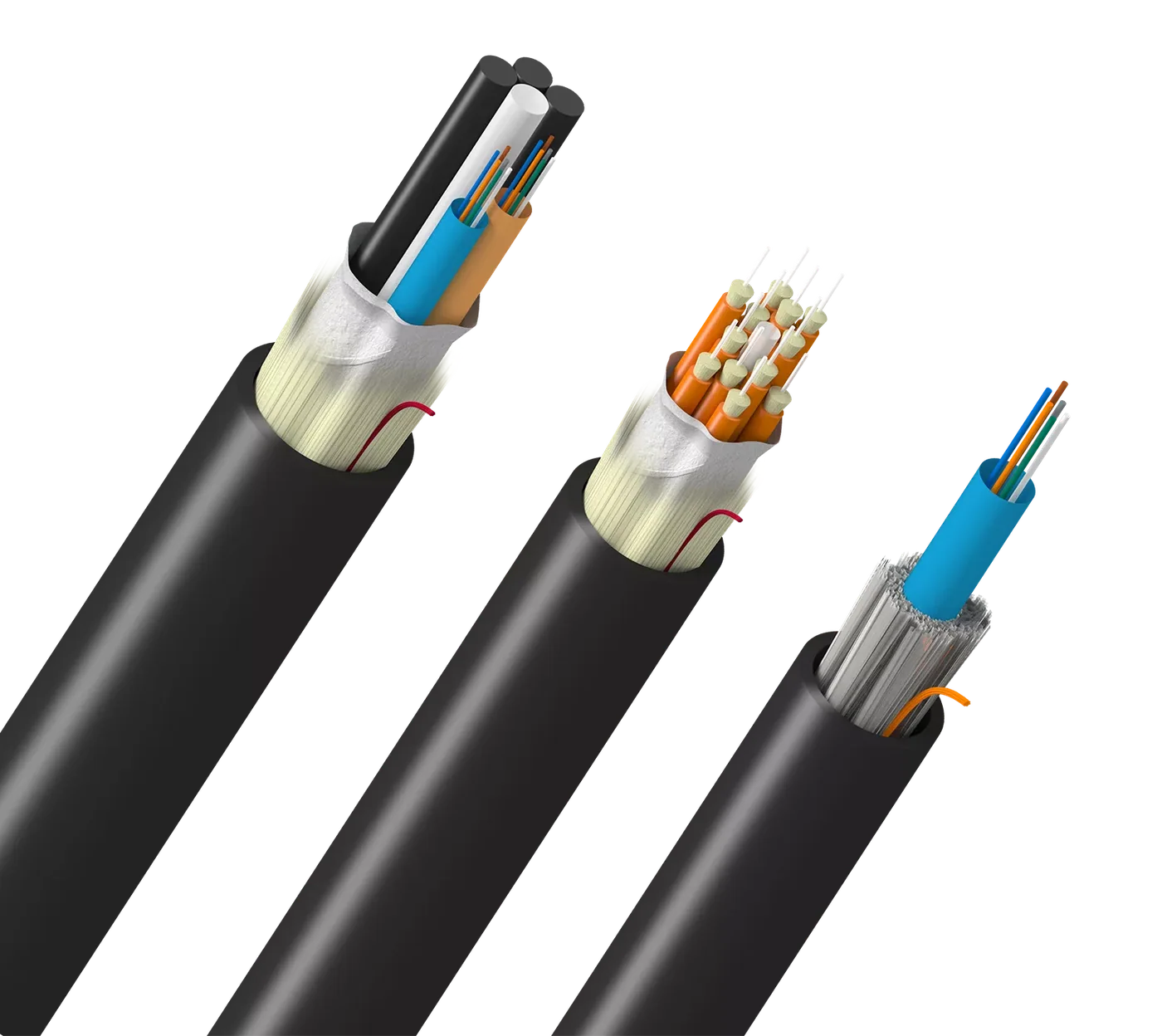
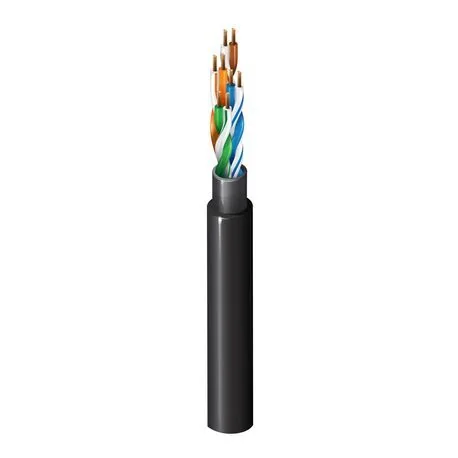
Cable for marine and offshore camera installations, specified to the project.
Cabling for camera installations on vessels, platforms and marine structures. Types and approvals are selected against the installation rather than taken from a single standard part, because a marine or offshore run has to satisfy the rules that apply to it.
Data, coaxial, control and power types as the design needs
Fire performance and approvals selected per installation
Supplied against the cable schedule, with certificates
SelectionAgainst the installation and its approvals
SupplyTo the cable schedule
DocumentationCertificates as the installation requires
NoteTypes confirmed at quotation
Description
Cable on a vessel or an offshore structure is held to requirements a landside installation
never sees. It has to keep working while it is soaked in salt, wiped with oil and flexed by
vibration, and it has to behave acceptably in a fire - which for enclosed and manned spaces
generally means flame retardant and, where the specification calls for it, low smoke and
halogen free, so that people can still see and breathe on an escape route.
For camera work the decision usually spans several types at once: data cable for IP
cameras, coaxial where analogue equipment remains, control cable for pan-tilt and ancillaries,
and power cable where PoE will not carry the load. Screening is specified against the
electrical environment, which offshore is a noisy one full of variable-speed drives and radio
transmitters. Armour is added where the cable can be walked on, dropped on or chafed.
Approvals are what determine whether an installation can be signed off, and they belong to
the project rather than to a catalogue line. Cable for shipboard and offshore use is
type-approved by classification societies, and a surveyor will look for that approval against
the drawings. We therefore specify cable against your cable schedule and the rules the
installation is being built to, and supply the certificates with the delivery, rather than
offering a single part and hoping it fits.
The other things that decide whether a run behaves are set at design stage: length and
volt drop, bend radii, segregation from power circuits, and gland and termination detail.
Getting those right is what avoids the intermittent faults that are unpleasant to trace once
everything is closed up.
Features
Types to suit the design. Data, coaxial, control and power, chosen
against what the cameras and ancillaries actually need.
Fire performance to specification. Flame retardant, and low smoke
halogen free where the installation calls for it.
Screened and armoured options. For electrically noisy environments and
for runs exposed to impact or chafe.
Approvals treated as project requirements. Selected against the rules
the installation is signed off to, with certificates supplied.
Supplied to a schedule. Types, lengths and drum sizes worked out from
the cable schedule rather than estimated.
Design detail included. Volt drop, bend radii, segregation and glanding
considered before anything is ordered.
Applications
Specified wherever a camera installation is subject to marine or offshore rules.
Vessels and FPSOs. Deck, accommodation and machinery-space runs.
Fixed offshore platforms. Between modules, up masts and along
walkways.
Jetties and marine terminals. Exposed runs in constant salt.
Shipyards and refits. System replacements that have to satisfy the
original approvals.
Coastal industrial sites. Where the atmosphere is marine even though
the installation is on land.
Hazardous areas. Where cable type, armour and glanding form part of the
certified installation.
Send us the cable schedule, or the drawings and the approvals you have to satisfy, and we
will come back with compliant types, quantities and certificates.
Support & Documents
PT Vivo Asia Teknologi Indonesia supplies surveillance equipment as part of a designed
and commissioned system rather than as a boxed item. Our scope typically covers:
Site survey, camera placement and field-of-view study against your actual site.
System design, including transmission, power, recording capacity and mounting.
Supply, installation, termination and commissioning.
Integration with your VMS, access control and PAGA or alarm systems.
Analytics configuration and tuning to bring false alarms down to a workable level.
Operator and maintainer training, with ongoing maintenance and support.
Optical, electrical and approval details vary by variant and are confirmed against the
current manufacturer datasheet at quotation stage. Tell us the area to be covered, the
detection distance you need and the site conditions, and we will come back with the right
variant and a full bill of materials.
Use the enquiry button above for a datasheet, a specification or a project quotation.

 1 / 3
1 / 3